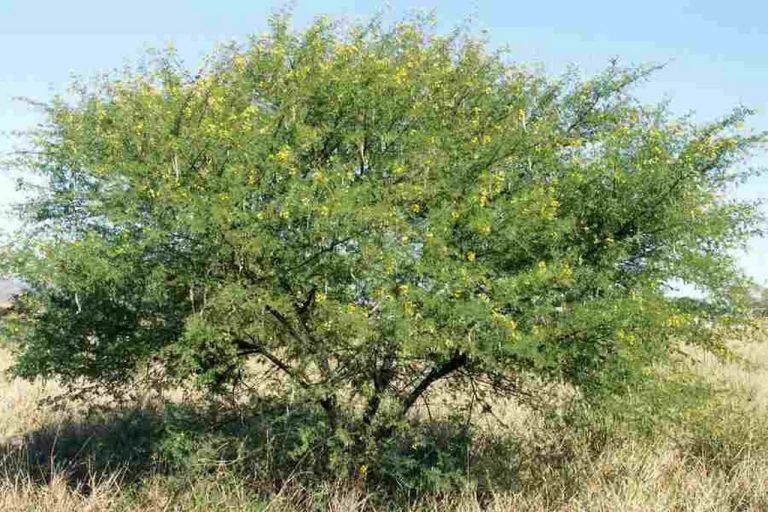
Description of Anise
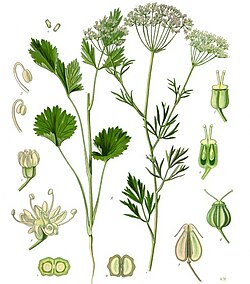
Anise (Pimpinella anisum) is a fragrant annual herb belonging to the parsley family (Apiaceae). It is best known for its small, oval seeds that have a sweet, warm flavor similar to licorice. Native to the eastern Mediterranean and Southwest Asia, anise has been cultivated for centuries for both culinary and medicinal purposes.
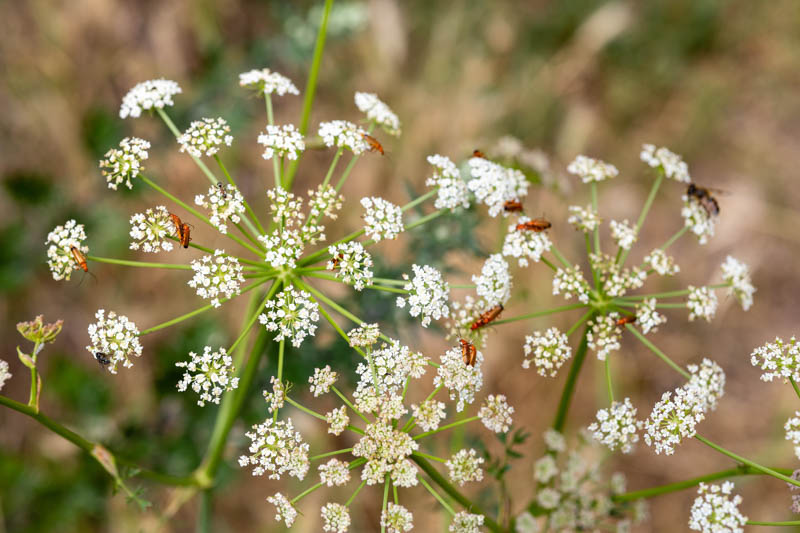
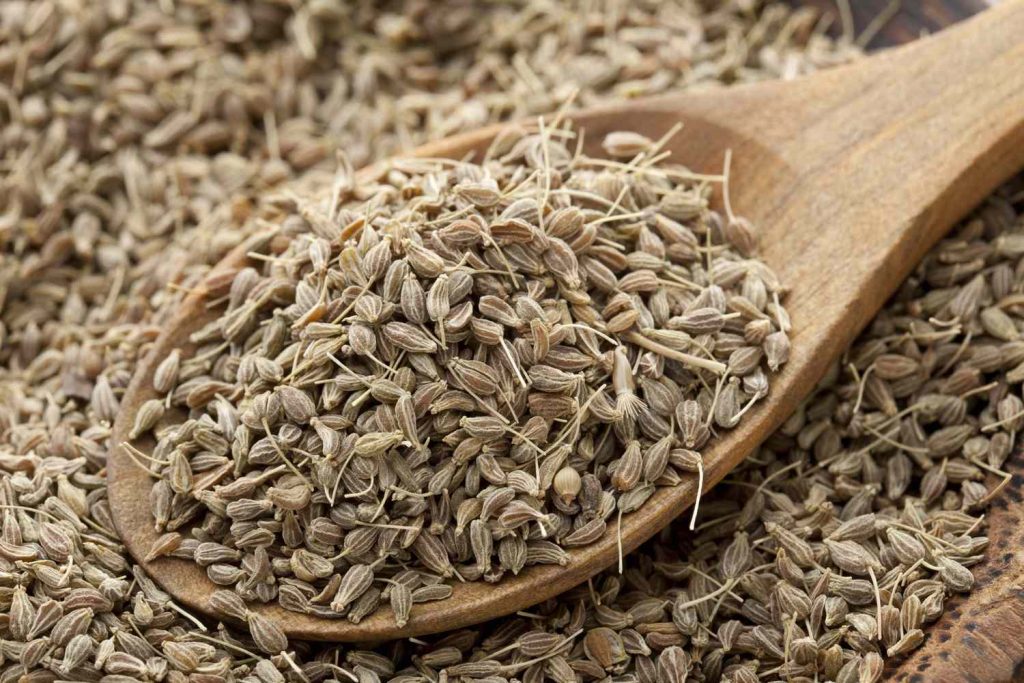
The plant grows about 30–60 cm tall and has delicate white flowers arranged in umbrella-shaped clusters. Its seeds are harvested when they mature and turn grayish-brown. Anise is widely used as a spice in baking, confectionery, beverages, and traditional dishes, as well as in herbal teas.
History of Anise
The history of anise (Pimpinella anisum) dates back thousands of years, making it one of the oldest known medicinal and culinary herbs. Anise is believed to have originated in the eastern Mediterranean region and Southwest Asia, where it was highly valued for its pleasant aroma and healing properties.
In ancient Egypt, anise was used as a medicinal plant and flavoring agent. The seeds were included in remedies for digestive problems and were sometimes used in bread and ceremonial offerings. Greek physicians, including Hippocrates, recommended anise for treating coughs, indigestion, and insomnia. The Greeks also used it to freshen breath and aid digestion.
Types of Anise
There are two main types of anise commonly known, along with a few closely related plants that are often confused with true anise because of their similar flavor:
1. Anise (Pimpinella anisum) – True Anise
- Also called sweet anise
- A flowering herb from the parsley family (Apiaceae)
- Native to the Mediterranean region
- Seeds are small, oval, and light brown
- Used widely in cooking, baking, herbal teas, and traditional medicine
2. Star Anise (Illicium verum)
- Known as Chinese star anise
- Comes from an evergreen tree, not a herb
- Native to China and Vietnam
- Star-shaped pods with a strong licorice-like flavor
- Commonly used in Asian cuisine and spice blends
Plants Often Confused with Anise
Although not true anise, these have a similar taste:
3. Fennel (Foeniculum vulgare)
- Seeds resemble anise in flavor
- Used in cooking, teas, and digestion remedies
4. Licorice Root (Glycyrrhiza glabra)
- Has a naturally sweet, anise-like taste
- Used mainly in herbal medicine
5. Anise Hyssop (Agastache foeniculum)
- A mint-family plant with anise-scented leaves
- Used in teas and ornamental gardening
Uses of Anise
1. Culinary Uses
- Flavoring: Anise seeds are used to flavor baked goods, candies, cookies, and cakes.
- Beverages: Used in teas, liqueurs (like ouzo, sambuca, and absinthe), and herbal drinks.
- Cooking: Adds a sweet, licorice-like taste to sauces, soups, and traditional dishes.
2. Medicinal Uses
- Digestive Aid: Helps relieve bloating, indigestion, gas, and stomach cramps.
- Respiratory Relief: Used to ease coughs, bronchitis, and congestion.
- Lactation Support: Sometimes used to stimulate milk production in nursing mothers.
- Mild Sedative: Can help with sleep problems and anxiety in herbal remedies.
3. Aromatic and Cosmetic Uses
- Essential Oils: Anise oil is used in perfumes, soaps, and aromatherapy.
- Mouth Freshener: Seeds are chewed to freshen breath.
4. Traditional and Cultural Uses
- Rituals and Ceremonies: Used in some cultures for its symbolic and aromatic properties.
- Herbal Medicine: Incorporated in remedies across Mediterranean, Middle Eastern, and Asian traditions.
Anise is versatile, combining flavor, fragrance, and health benefits in one small seed.
Benefits of Anise
1. Supports Digestion
- Relieves bloating, gas, and indigestion.
- Helps reduce stomach cramps and nausea.
- Can improve overall digestive health when consumed as a tea or spice.
2. Relieves Respiratory Issues
- Helps soothe coughs, bronchitis, and congestion.
- Acts as a natural expectorant, clearing mucus from the airways.
3. Boosts Lactation
- Can stimulate milk production in nursing mothers.
- Often used in herbal teas for breastfeeding support.
4. Antimicrobial and Antifungal
- Contains compounds that help fight certain bacteria and fungi.
- May help prevent infections when used in remedies or essential oils.
5. Supports Hormonal Balance
- May help relieve mild menstrual discomfort and reduce symptoms of menopause.
6. Promotes Oral Health
- Chewing anise seeds freshens breath naturally.
- May help reduce oral bacteria.
7. Mild Sedative and Relaxant
- Can help reduce stress, anxiety, and improve sleep quality.
8. Rich in Nutrients
- Contains antioxidants, vitamins, and minerals beneficial for overall health.
Anise is not just a flavorful spice—it’s a natural remedy with a wide range of health benefits, making it valuable both in the kitchen and in traditional medicine.
About the Author