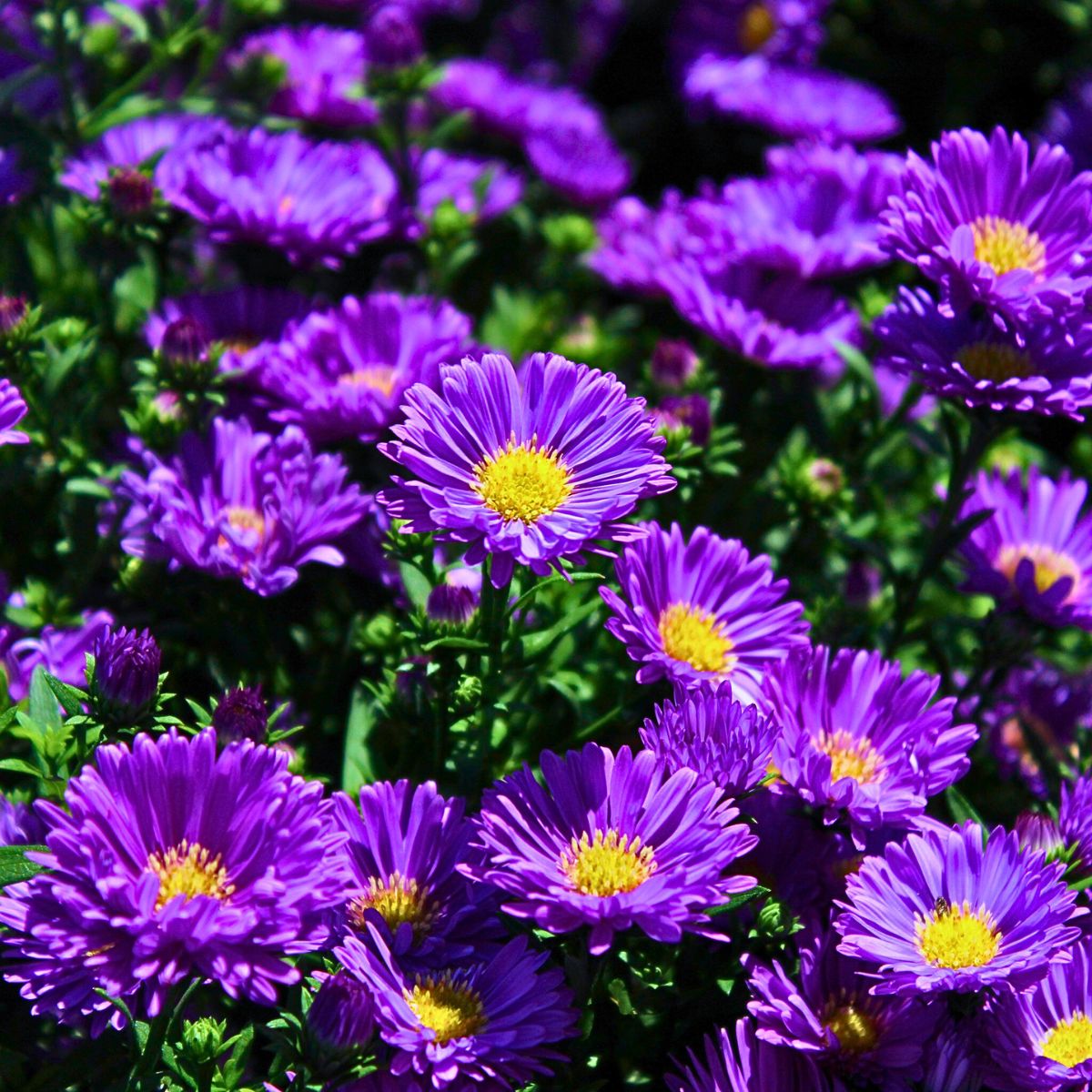
Description of Aster:
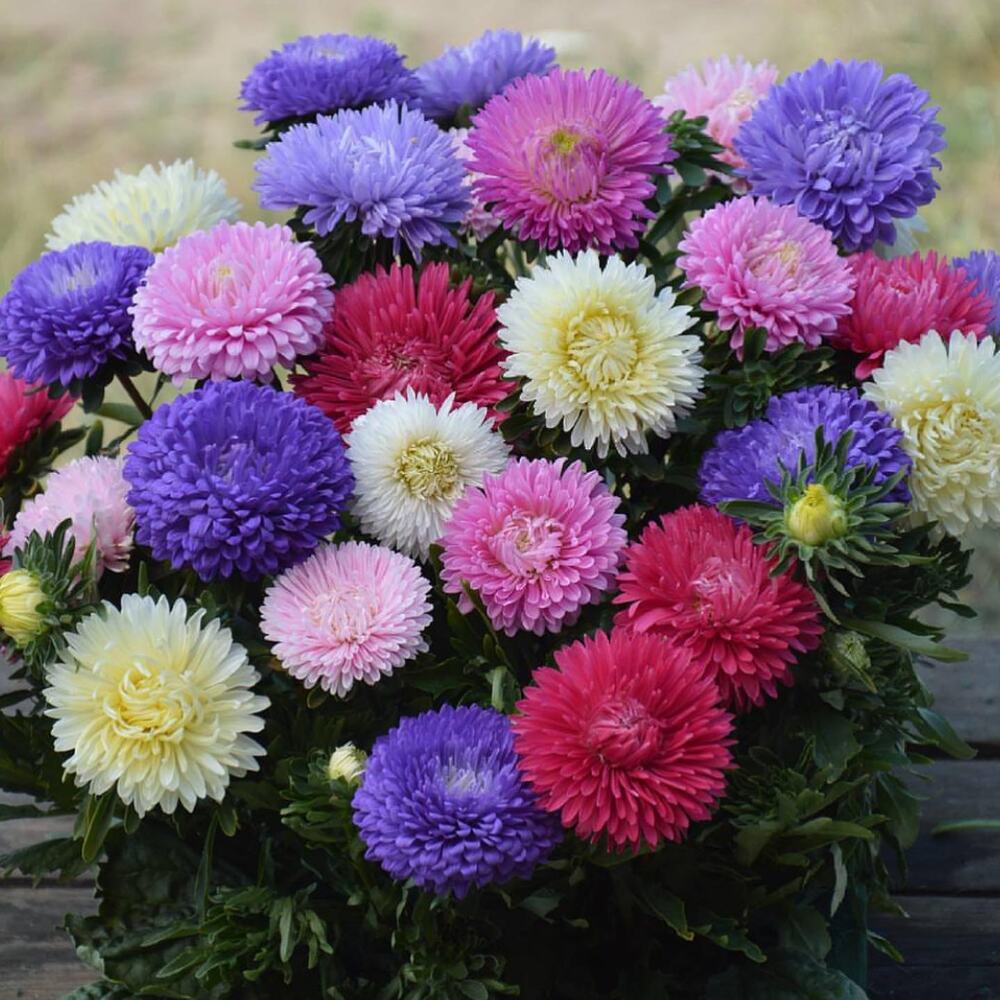
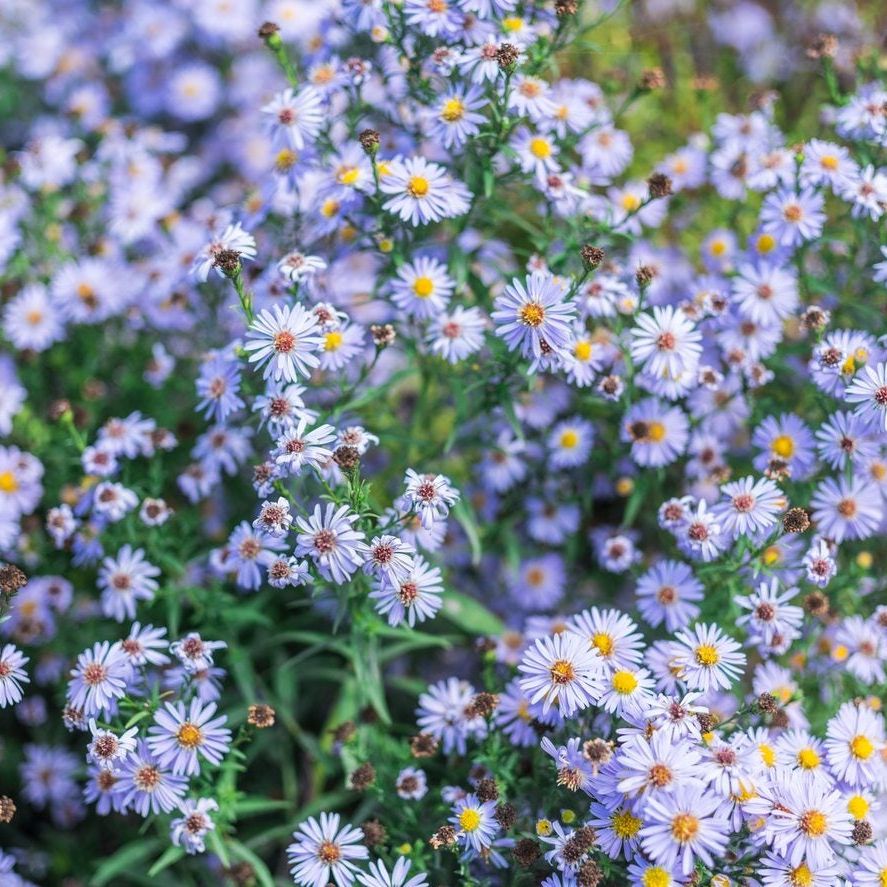
The Aster is a vibrant, daisy-like flower known for its star-shaped blooms and rich variety of colors, including purple, pink, white, and blue. Belonging to the Asteraceae family, asters bloom mainly in late summer and fall, adding a burst of color when many other flowers fade. They are admired for their delicate petals, bright yellow centers, and ability to attract pollinators like bees and butterflies. Symbolically, asters represent love, patience, and elegance, making them a popular choice in gardens, bouquets, and floral arrangements. Their graceful appearance and long-lasting blooms make them a favorite among gardeners and flower enthusiasts alike.
History of Aster:
The Aster flower has a long and fascinating history, dating back to ancient civilizations. Its name comes from the Greek word “astēr”, meaning star, inspired by the flower’s star-shaped blooms. Asters were highly valued by the ancient Greeks and Romans, who associated them with love, wisdom, and elegance. According to legend, asters sprang from the tears of the Greek goddess Astraea, shed during her mourning over the Earth.
During the Middle Ages, asters were commonly grown in European gardens for their beauty and symbolic meanings. They were often used in herbal remedies, as they were believed to have medicinal properties, including treatments for headaches and inflammation. Over time, asters spread across North America, Asia, and other parts of the world, evolving into hundreds of species and hybrids we know today.
Today, asters are celebrated not only for their ornamental beauty but also as symbols of patience, love, and daintiness, often featured in bouquets and autumn gardens around the globe.
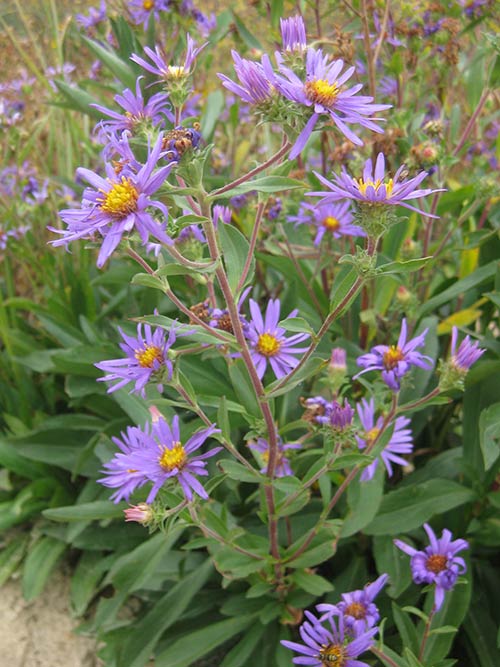
Types of Aster:
Here’s a list of the main types of Aster flowers along with a brief description of each:
- New England Aster (Symphyotrichum novae-angliae)
- Tall, vibrant asters with purple, pink, or red flowers.
- Bloom in late summer to fall and attract butterflies.
- New York Aster (Symphyotrichum novi-belgii)
- Compact, bushy plants with a wide range of colors from pink to violet.
- Popular for garden borders and floral arrangements.
- Wood Aster (Eurybia divaricata)
- Grows in shaded woodland areas.
- White to pale lavender flowers with yellow centers.
- China Aster (Callistephus chinensis)
- Annual variety with large, colorful blooms in pink, purple, red, and white.
- Commonly used as a cut flower in bouquets.
- Michaelmas Daisy (various Aster species)
- Blooms around the Michaelmas festival (late September).
- Often purple or blue, hardy in gardens and natural landscapes.
- Dwarf Asters
- Short, compact varieties perfect for borders, containers, and rock gardens.
- Blooms are usually purple, pink, or white.
- Alpine Aster (Aster alpinus)
- Small, perennial plants ideal for rock gardens.
- Violet or purple flowers with yellow centers.
Benefits of Aster:
1. Medicinal Benefits
- Traditionally, some aster species were used in herbal remedies.
- Believed to help relieve headaches, fevers, and inflammation.
- Certain species were used in teas for respiratory issues and digestive problems.
2. Environmental Benefits
- Asters attract pollinators like bees, butterflies, and birds, supporting biodiversity.
- They help improve the health of garden ecosystems by encouraging natural pest control.
3. Aesthetic and Decorative Benefits
- With their bright, star-shaped blooms, asters enhance gardens, landscapes, and floral arrangements.
- Blooming in late summer to fall, they provide color when many other flowers fade.
4. Symbolic and Emotional Benefits
- Represent love, patience, and elegance in floral symbolism.
- Often used in bouquets to convey affection, remembrance, and emotional warmth.
5. Gardening and Landscaping Benefits
- Asters are easy to grow and low-maintenance, making them ideal for gardeners of all levels.
- They can prevent soil erosion when planted in clusters due to their dense growth.
Uses of Aster:
1. Ornamental Use
- Widely used in gardens, parks, and landscaping for their vibrant colors and star-shaped blooms.
- Popular in flower beds, borders, and rock gardens.
2. Cut Flowers & Bouquets
- Asters are commonly used in floral arrangements, bouquets, and decorations.
- Their long-lasting blooms make them ideal for vases and centerpieces.
3. Medicinal Use
- Some traditional herbal remedies used parts of the aster plant to treat fevers, headaches, and respiratory problems.
- Used in teas or poultices in folk medicine.
4. Attracting Pollinators
- Asters attract bees, butterflies, and birds, supporting garden biodiversity and pollination.
5. Symbolic & Ceremonial Use
- Represent love, patience, and elegance, making them suitable for gifts, rituals, and memorials.
6. Environmental Use
- When planted in clusters, asters help prevent soil erosion and maintain soil health.
About the Author