Description of Babul Tree:
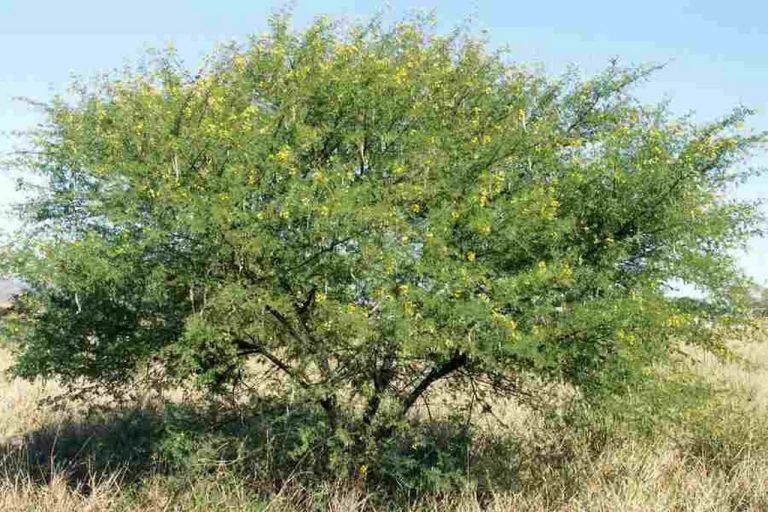
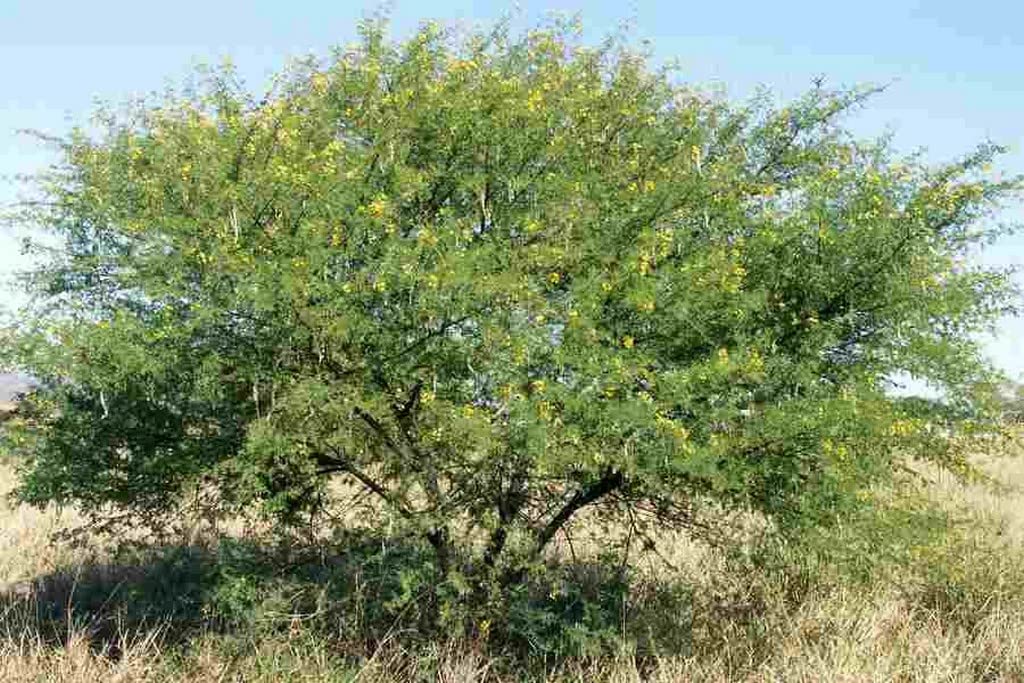
The Babul tree (Acacia nilotica), also known as Kikar, is a medium-sized, thorny tree commonly found in dry and semi-arid regions. It has a strong, spreading canopy with dark brown to black bark that is rough and deeply cracked. The branches are armed with sharp thorns, which help protect the tree from grazing animals.
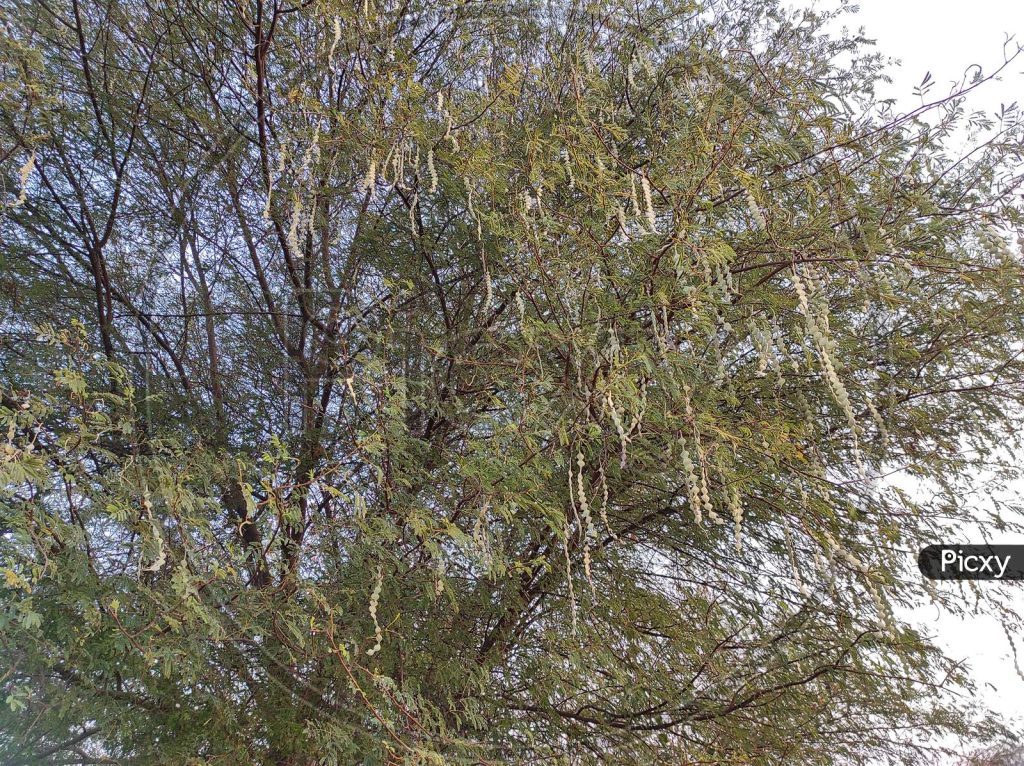
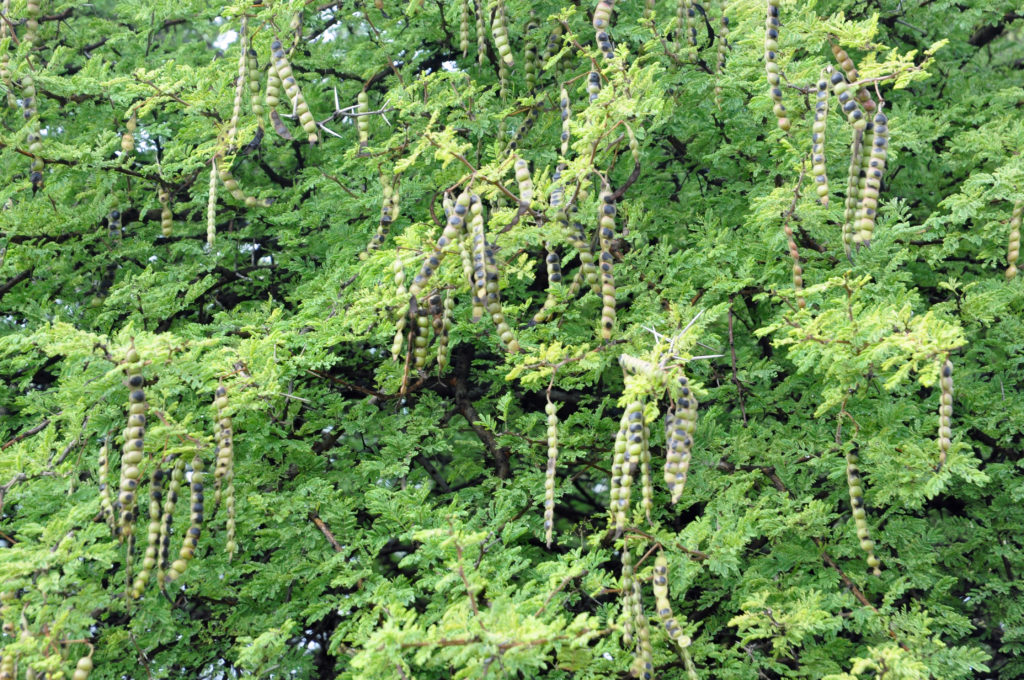
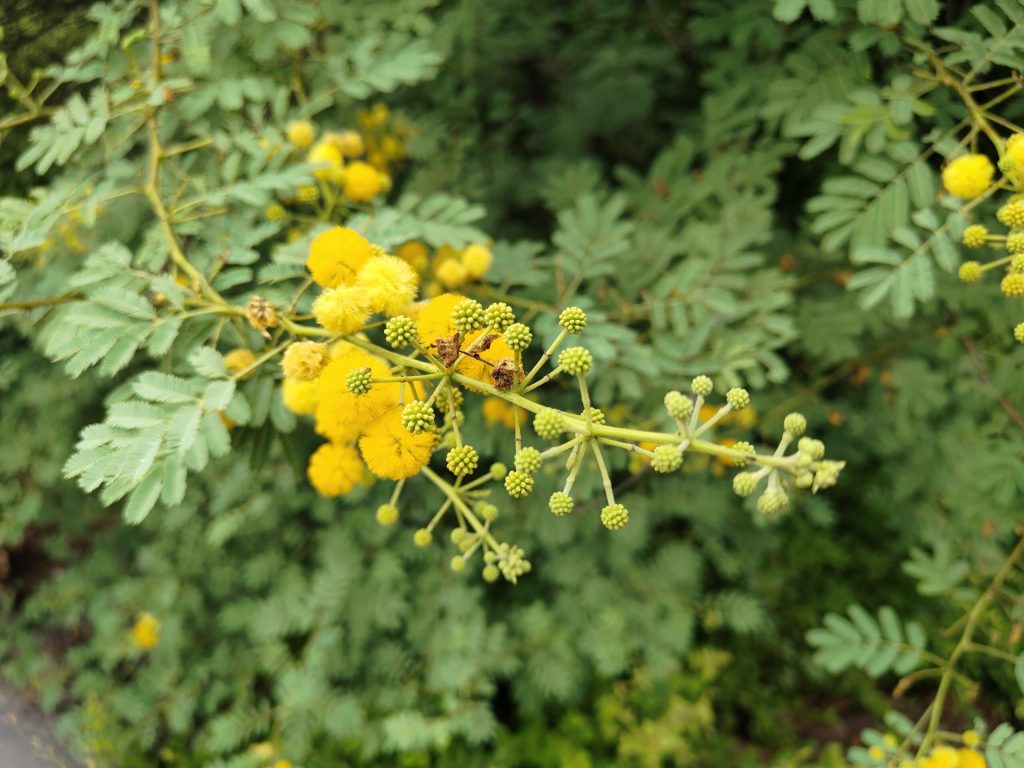
Babul leaves are small, feathery, and bright green, arranged in pairs along thin stems. The tree produces fragrant, round yellow flowers that grow in clusters, followed by flat, curved seed pods. Its deep root system allows it to survive in poor soils and harsh climates, making it highly drought-resistant.
History of the Babul Tree:
The Babul tree (Acacia nilotica), also known as Kikar, has a long and rich history that dates back thousands of years. It is native to Africa, the Indian subcontinent, and parts of the Middle East, where it has been naturally growing since ancient times.
In ancient India, the Babul tree was highly valued in Ayurveda for its medicinal properties. Its bark, leaves, pods, and gum were commonly used to treat wounds, dental problems, digestive disorders, and skin diseases. The tree is frequently mentioned in old Sanskrit texts as a healing and protective plant.
During the Islamic and medieval periods, Babul was widely used across South Asia and the Middle East for oral hygiene, especially in the form of natural toothbrushes (miswak). Its tough wood and strong thorns made it useful for fencing and fuel.
Types of Babul Tree:
The Babul tree belongs to the genus Acacia, and several closely related species are commonly known as “Babul” in different regions. The main types include:
- Acacia nilotica (True Babul / Desi Babul)
- The most common and widely known type
- Found in South Asia, Africa, and the Middle East
- Known for strong thorns, yellow round flowers, and high medicinal value
- Acacia arabica
- Often considered a synonym or variety of Acacia nilotica
- Traditionally used in Ayurveda and Unani medicine
- Famous for dental care and healing uses
- Acacia tortilis (Umbrella Thorn Babul)
- Grows mainly in desert and semi-desert regions
- Has a flat, umbrella-shaped canopy
- Very drought-resistant and used for fodder and shade
- Acacia senegal (Gum Arabic Tree)
- Known for producing gum arabic
- Smaller than true Babul
- Used in food, medicine, and industry
- Acacia catechu (Khair / Cutch Tree)
- Sometimes grouped with Babul trees
- Source of kattha (catechu)
- Used in medicine, dyeing, and pan preparation
Benefits of Babul Tree (Acacia nilotica):
The Babul tree, also known as Kikar, is highly valued for its medicinal, environmental, and economic benefits:
1. Medicinal Benefits
- Dental Care: Its twigs (miswak) are used as natural toothbrushes to strengthen gums and prevent tooth decay.
- Wound Healing: Bark and leaves have antiseptic properties that help treat cuts, sores, and ulcers.
- Digestive Health: Extracts from pods and bark aid digestion and help treat diarrhea.
- Respiratory Relief: Used in traditional medicine for coughs and asthma.
- Skin Care: Bark extracts can help reduce skin infections and inflammation.
2. Environmental Benefits
- Soil Fertility: Fixes nitrogen in the soil, improving fertility for other plants.
- Erosion Control: Deep roots stabilize soil and prevent desertification.
- Shade & Shelter: Provides shade in arid regions and shelter for animals.
3. Economic Benefits
- Fuel & Timber: Hard wood is excellent for firewood, charcoal, and furniture.
- Gum Production: Produces gum arabic, used in food, pharmaceuticals, and industry.
- Fodder: Leaves and pods serve as nutritious fodder for livestock.
- Traditional Uses: Bark and wood are used in tanning, dyeing, and handicrafts.
4. Cultural & Spiritual Significance
- Considered sacred in some regions of India and used in rituals.
- Symbol of resilience and survival in harsh climates.
Uses of Babul Tree (Acacia nilotica / Kikar):
The Babul tree is extremely versatile, with multiple uses in medicine, agriculture, industry, and daily life:
1. Medicinal Uses
- Bark, leaves, and pods are used in traditional medicine to treat wounds, diarrhea, coughs, and skin diseases.
- Twigs are used as natural toothbrushes (miswak) to promote oral hygiene.
- Extracts have antiseptic and anti-inflammatory properties.
2. Agricultural Uses
- Provides fodder for livestock (leaves and pods).
- Improves soil fertility through nitrogen fixation.
- Acts as a windbreak and helps prevent soil erosion.
3. Industrial & Economic Uses
- Timber & Firewood: Hard wood is used for furniture, tools, and fuel.
- Charcoal Production: Ideal for making durable charcoal.
- Gum Production: Gum arabic from the tree is used in food, medicine, and cosmetics.
- Tanning & Dyeing: Bark and pods are used in leather tanning and natural dyes.
About the Author