Description of Maple Tree
The maple tree is a deciduous tree belonging to the genus Acer, widely known for its beautiful shape and colorful leaves. It is commonly found in North America, Europe, and parts of Asia. Maple trees vary in size, ranging from small ornamental trees to large forest trees that can grow up to 30–40 meters tall.
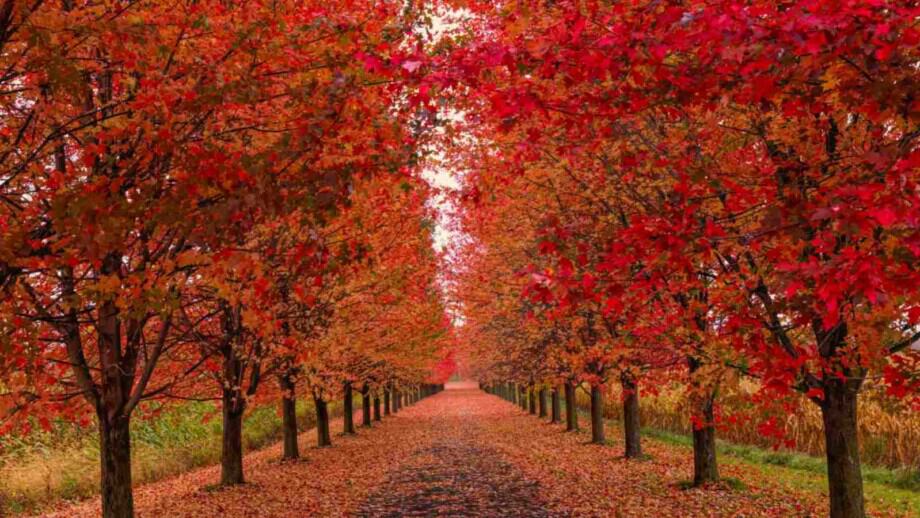
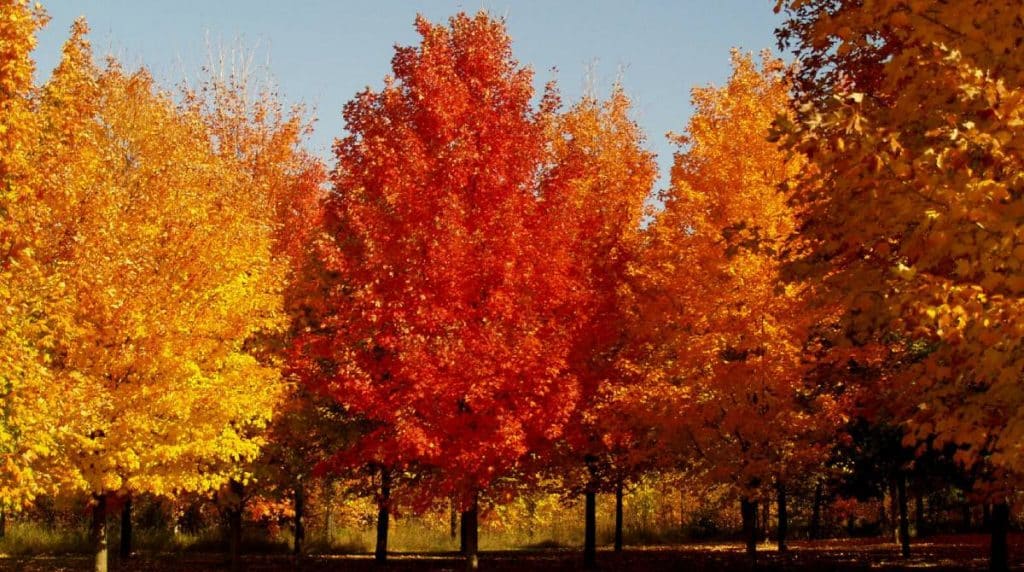
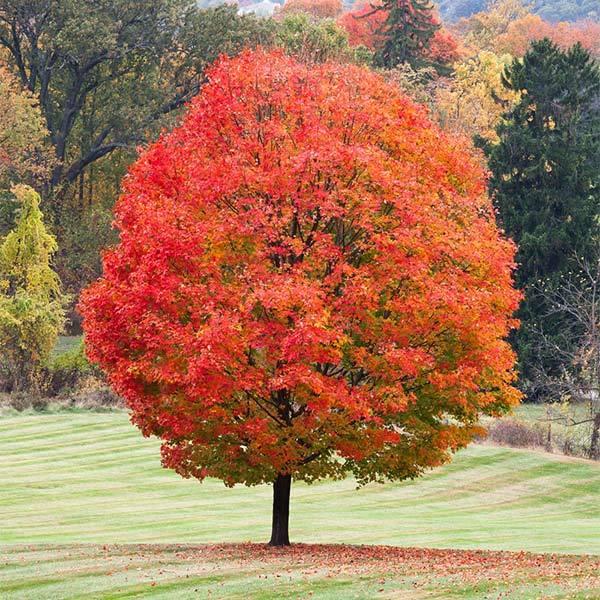
Maple leaves are usually broad and palm-shaped with pointed lobes. One of the most striking features of the maple tree is its seasonal color change—its green leaves turn bright shades of red, orange, yellow, and gold during autumn, making it highly attractive in landscapes. The tree produces small flowers in spring, followed by distinctive winged seeds called “samaras,” often known as helicopter seeds.
History of Maple Tree
The maple tree has a long and rich history that dates back millions of years. Fossil records show that maple species existed during the Paleogene period, making them one of the ancient tree groups on Earth. Over time, maple trees spread across Asia, Europe, and North America, adapting to different climates and environments.
In ancient China and Japan, maple trees were admired for their beauty, especially their colorful autumn leaves. In Japan, the tradition of viewing maple leaves, known as Momijigari, has been practiced for centuries. In Europe, maple wood was valued for making furniture, tools, and musical instruments.
Types of Maple Tree
Here are some common types of maple trees, found around the world:
- Sugar Maple (Acer saccharum)
Famous for producing maple syrup. It has bright autumn colors and strong wood. - Red Maple (Acer rubrum)
Known for its red flowers, stems, and fall leaves. It grows quickly and adapts well to many environments. - Silver Maple (Acer saccharinum)
Has silvery undersides on its leaves and grows near rivers and wetlands. - Japanese Maple (Acer palmatum)
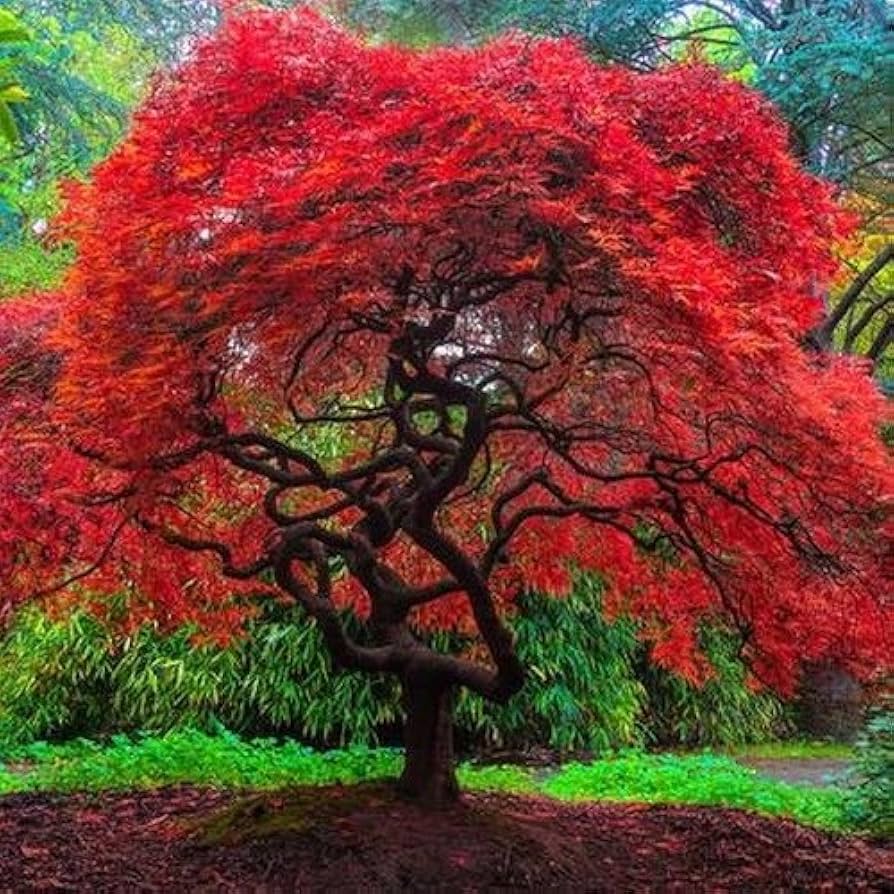
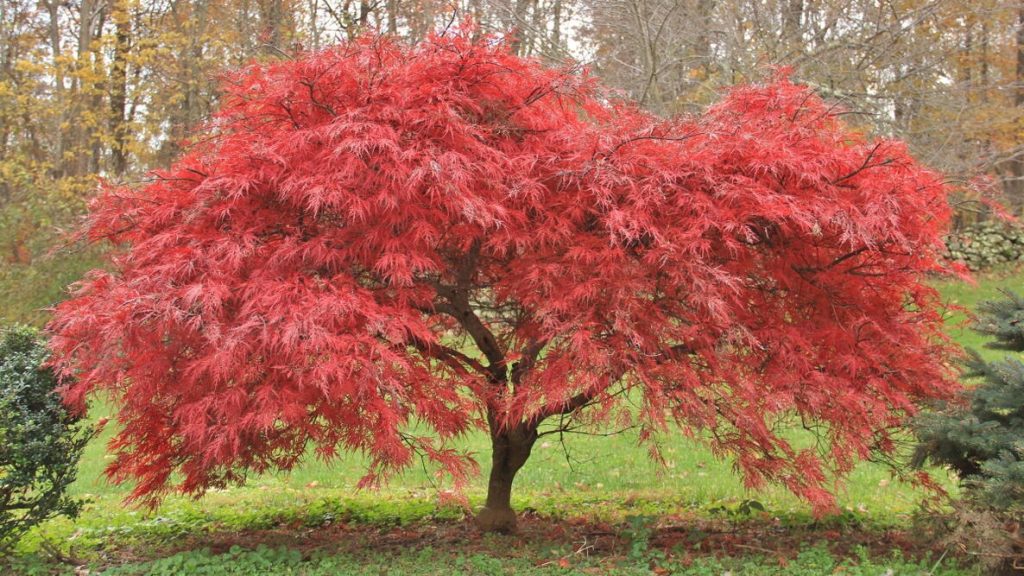
A small ornamental tree with delicate, deeply cut leaves, popular in gardens. - Norway Maple (Acer platanoides)
A hardy tree commonly planted along streets and parks.
Uses of Maple Tree
Maple trees are highly valued for their versatility, beauty, and practical benefits. Here are the main uses:
- Maple Syrup Production – The sap of sugar maple and black maple trees is boiled to produce maple syrup and maple sugar, a natural sweetener.
- Timber and Woodwork – Maple wood is strong and durable, making it ideal for furniture, flooring, cabinetry, musical instruments (like violins and guitars), and sports equipment.
- Ornamental Purposes – Many maple species, such as Japanese maple and red maple, are planted in gardens, parks, and along streets for their aesthetic appeal, especially their vibrant autumn foliage.
- Shade and Landscaping – Large maple trees provide excellent shade, helping reduce heat and creating pleasant outdoor spaces.
- Medicinal Uses – Historically, some parts of the maple tree were used in traditional remedies for minor ailments, although this is less common today.
Benefits of Maple Tree
Maple trees offer a variety of benefits, ranging from environmental and economic to health and aesthetic advantages:
- Environmental Benefits
- Air purification: Maple trees absorb carbon dioxide and release oxygen, improving air quality.
- Soil protection: Their roots help prevent soil erosion and improve soil health.
- Wildlife support: Maple trees provide food and shelter for birds, insects, and small mammals.
- Economic Benefits
- Maple syrup and sugar: Sap from sugar and black maple trees is a source of natural sweeteners, a valuable commodity.
- Timber and wood products: Maple wood is strong and versatile, used in furniture, flooring, cabinetry, and musical instruments.
- Health Benefits
- Nutritional value: Maple syrup contains antioxidants and minerals like zinc and manganese.
- Traditional remedies: Some parts of the tree have been used historically for minor ailments, such as digestive issues and skin health.
- Aesthetic and Cultural Benefits
- Ornamental value: Vibrant autumn leaves make maple trees popular in gardens, parks, and city landscapes.
- Shade and cooling: Large maple trees provide shade, reducing heat in urban areas.
- Cultural symbol: Maple trees, especially the sugar maple, are a symbol of strength, endurance, and national pride in countries like Canada.
About the Author