Description of Mango Tree
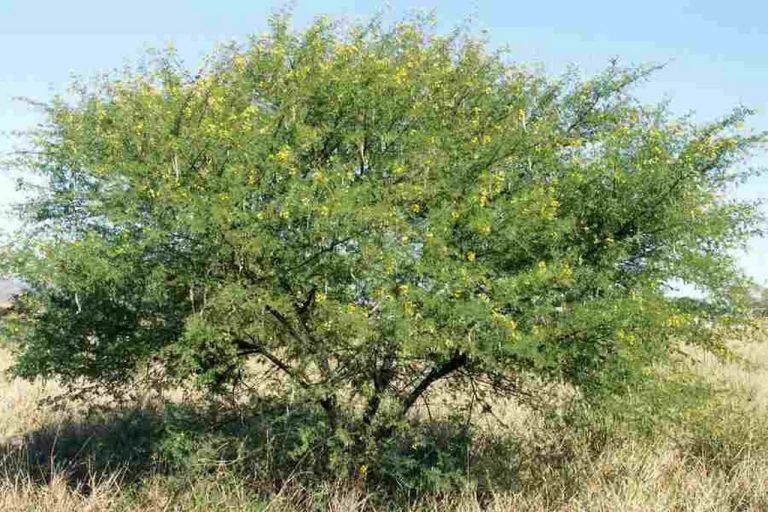
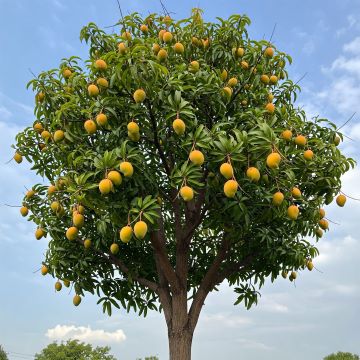
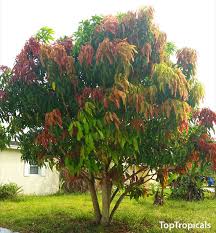
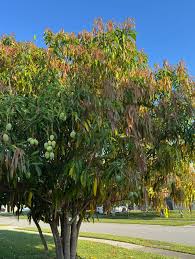
The mango tree (Mangifera indica) is a large, evergreen tree widely grown in tropical and subtropical regions. It is known for its dense, shady canopy and long lifespan, often living for hundreds of years. The tree can grow up to 30–40 meters tall, with strong branches and dark green, glossy leaves.
Mango trees produce small, fragrant flowers that appear in clusters and later develop into mango fruits. The fruits vary in size, shape, color, and taste depending on the variety, but they are generally sweet, juicy, and rich in nutrients. Mangoes are an important source of vitamins A and C, fiber, and antioxidants.
The mango tree thrives in warm climates with well-drained soil and plenty of sunlight. It is not only valued for its delicious fruit but also for its wood, medicinal uses, and cultural significance. In many countries, the mango tree is a symbol of prosperity, love, and fertility and holds an important place in traditions and festivals.
History of Mango Tree
The mango tree (Mangifera indica) has a long and rich history that dates back more than 4,000 years. It is believed to have originated in the Indian subcontinent, particularly in present-day India, Bangladesh, and Myanmar. Ancient texts and writings from this region mention mangoes as a highly valued fruit, admired for their taste, fragrance, and nutritional value.
Mango cultivation spread through South and Southeast Asia as early farmers selected and grew different varieties. The tree gained cultural and religious importance in ancient India, where mango leaves were used in rituals and decorations, symbolizing purity, prosperity, and good fortune. Buddhist monks are said to have helped spread mango cultivation as they traveled and planted mango trees near monasteries.
During the 10th–16th centuries, traders and explorers carried mangoes to the Middle East and Africa. Later, Portuguese traders introduced the mango tree to South America and other tropical regions during the 15th and 16th centuries. From there, mango cultivation expanded to the Caribbean, Central America, and parts of the United States.
Types of Mango Tree
There are many types of mango trees, mainly classified by the varieties of mango fruit they produce. Below are some well-known types, especially popular in South Asia and other regions:
Popular Indian & Pakistani Mango Varieties
- Alphonso (Hapus) – Sweet, rich flavor, golden-yellow fruit
- Chaunsa – Very sweet and juicy, popular in Pakistan
- Langra – Green skin even when ripe, aromatic taste
- Dasheri – Long-shaped fruit with soft, sweet pulp
- Anwar Ratol – Small but extremely sweet and fragrant
- Sindhri – Large, oval fruit, mildly sweet flavor
- Totapuri – Beak-shaped fruit, slightly tangy taste
International Mango Varieties
- Tommy Atkins – Widely grown, firm flesh, mild sweetness
- Kent – Juicy, low fiber, sweet flavor
- Keitt – Large fruit, late-season variety
- Haden – Bright red skin, rich flavor
Based on Growth Habit
- Dwarf Mango Trees – Smaller size, ideal for home gardens
- Semi-dwarf Mango Trees – Medium height, good yield
- Standard Mango Trees – Tall, long-living traditional trees
Each type of mango tree differs in taste, size, color, aroma, and growing conditions, making mango one of the most diverse and loved fruit trees in the world.
Benefits of Mango Tree
The mango tree (Mangifera indica) is not just valued for its delicious fruit—it also provides numerous health, environmental, and cultural benefits:
1. Nutritional and Health Benefits
- Mango fruits are rich in vitamins A, C, and E, which support immunity, skin health, and vision.
- They contain dietary fiber, aiding digestion and preventing constipation.
- Mango leaves have medicinal properties: they can help manage diabetes, lower blood pressure, and treat respiratory problems.
- Mango seeds and bark are used in traditional medicine for their antioxidant and anti-inflammatory properties.
2. Environmental Benefits
- Mango trees provide shade and cool the environment, making them ideal for urban and rural areas.
- Their dense foliage helps prevent soil erosion.
- Mango trees absorb carbon dioxide, contributing to cleaner air.
3. Economic Benefits
- Mango fruits are a major cash crop, supporting farmers and local economies.
- Mango wood can be used in furniture, crafts, and fuel.
4. Cultural and Aesthetic Benefits
- Mango trees are considered a symbol of prosperity, love, and fertility in many cultures.
- Mango leaves are used in festivals, weddings, and religious ceremonies.
- The tree enhances landscapes with its beautiful foliage and fragrant flowers.
In short, the mango tree is a source of food, medicine, economic income, and cultural value, making it one of the most important trees in tropical and subtropical regions.
About the Author