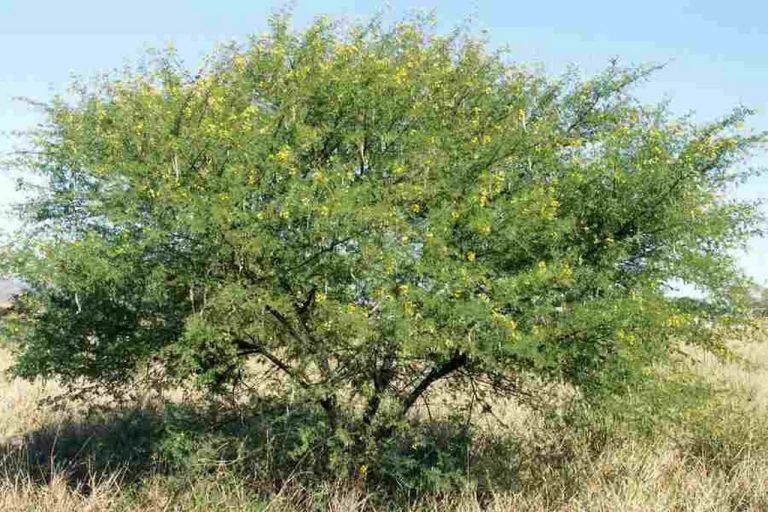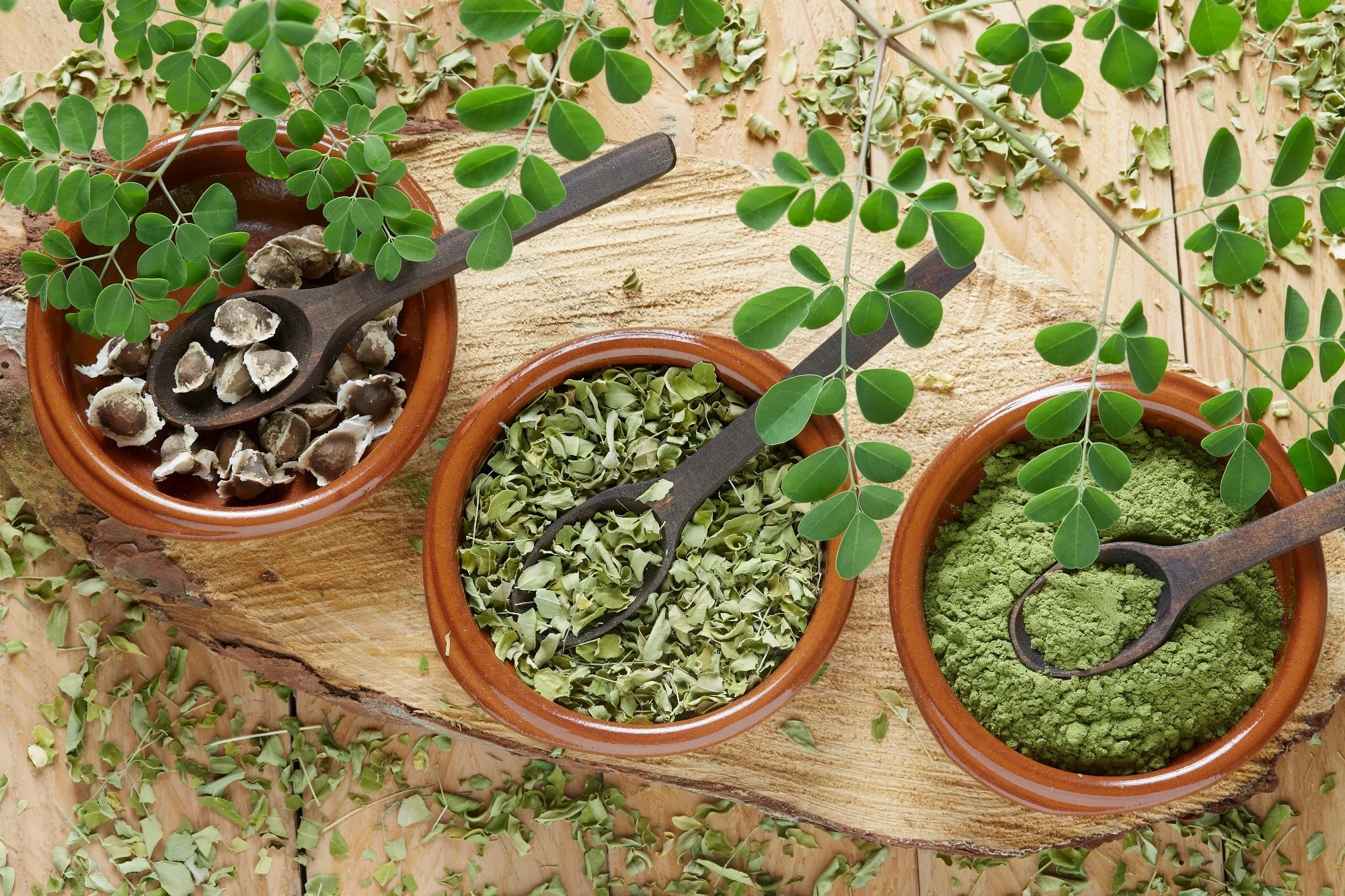
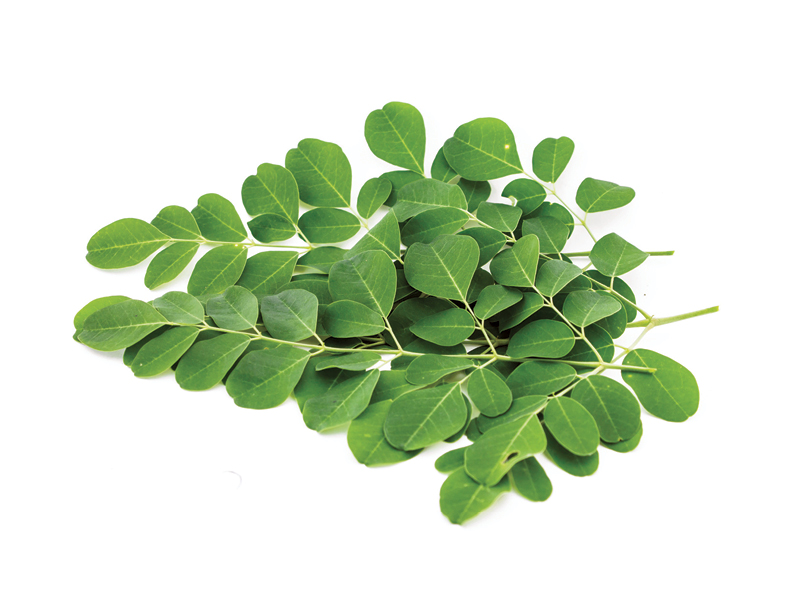
Moringa/Sohanjna, commonly known as the “drumstick tree” or “miracle tree,” is a fast-growing, drought-resistant plant native to India. It has slender branches, feathery leaves, and produces long, slender seed pods called drumsticks. Nearly all parts of the moringa tree—including leaves, seeds, flowers, and roots—are edible and packed with nutrients such as vitamins A, C, and E, calcium, potassium, and protein. Its leaves are especially valued for their high antioxidant content and ability to support overall health, immunity, and energy levels. Moringa is used in traditional medicine, cooking, and as a natural supplement for wellness.
History of Moringa/Sohanjna:
Moringa/Sohanjna, scientifically known as Moringa oleifera, is believed to have originated in the Himalayan regions of northwestern India over 4,000 years ago. It has a long history of use in traditional medicine and as a food source in many cultures. Ancient Ayurvedic texts mention moringa for its healing properties, including its ability to treat inflammation, infections, and nutritional deficiencies. From India, it spread to Africa, the Middle East, and eventually to the Americas, valued for its resilience in arid climates and its nutrient-rich leaves, pods, and seeds. Today, it is cultivated worldwide as a superfood and medicinal plant.
Types of Moringa/Sohanjna:
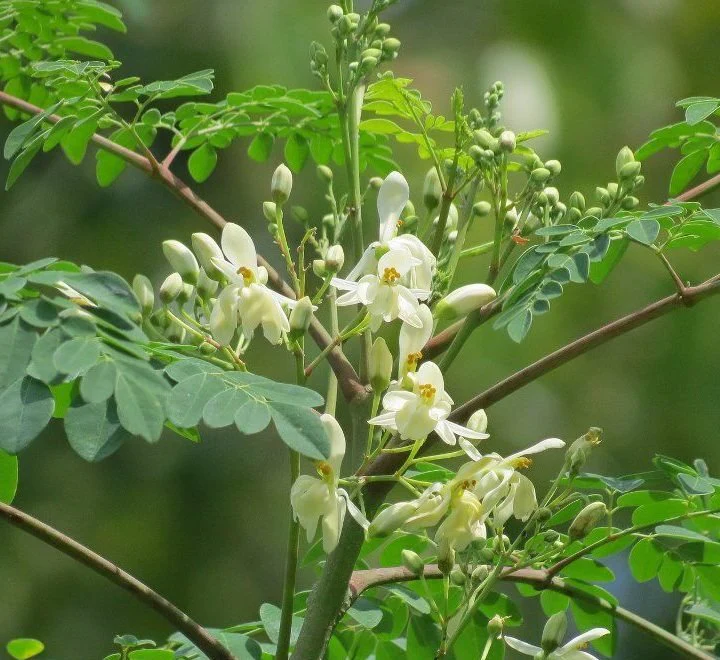
Moringa/Sohanjna has several species, but the most commonly cultivated and used for nutrition and medicinal purposes is Moringa oleifera. Here are some notable types:
- Moringa oleifera – The most widely grown species, known for its edible leaves, pods (drumsticks), and seeds. Used in food, traditional medicine, and supplements.
- Moringa stenopetala – Native to East Africa (Ethiopia and Kenya); leaves are larger and highly nutritious, often used as a food source in local diets.
- Moringa concanensis – Found in India; mainly valued for its medicinal properties.
- Moringa peregrina – Grows in the Middle East and North Africa; seeds are rich in oil used for cosmetics and cooking.
- Moringa drouhardii – Native to Madagascar; often grown for ornamental purposes due to its unique bottle-shaped trunk.
Among these, Moringa oleifera remains the most popular globally because of its versatility and high nutritional content.
Benefits of Moringa/Sohanjna:
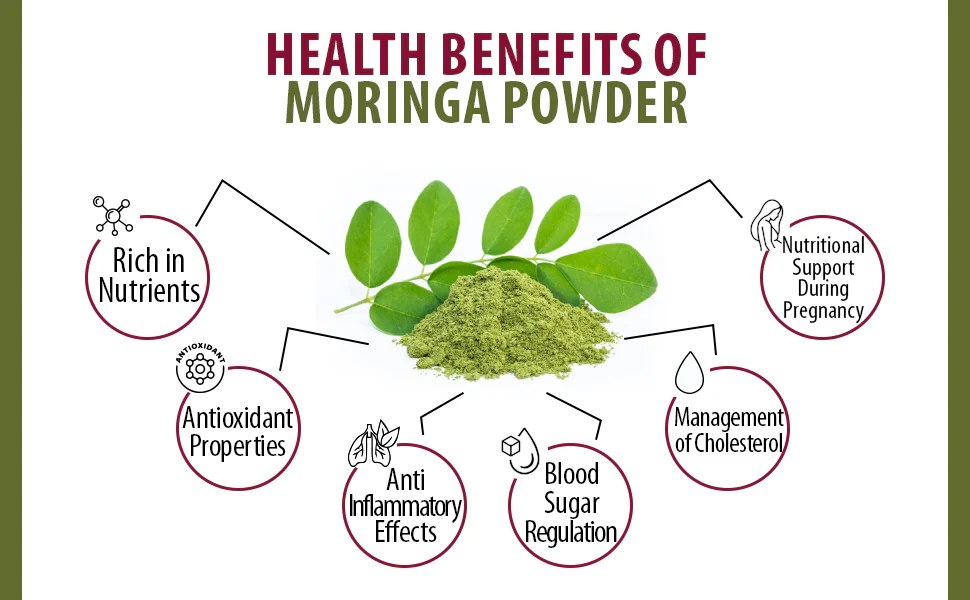
Moringa/Sohanjna offers a wide range of health benefits due to its rich nutritional and medicinal properties:
- Rich in Nutrients – Leaves are packed with vitamins A, C, E, calcium, potassium, and protein, supporting overall health.
- Boosts Immunity – Antioxidants and vitamin C help strengthen the immune system and fight infections.
- Anti-Inflammatory Properties – Contains compounds that reduce inflammation in the body, benefiting conditions like arthritis.
- Supports Heart Health – Helps lower cholesterol and blood pressure, promoting cardiovascular health.
- Improves Digestion – High fiber content aids digestion and prevents constipation.
- Regulates Blood Sugar – May help in managing diabetes by reducing blood sugar levels.
- Enhances Skin and Hair Health – Vitamins and antioxidants promote healthy skin, reduce signs of aging, and strengthen hair.
- Detoxifies the Body – Acts as a natural detoxifier by eliminating toxins from the body.
- Supports Brain Health – Nutrients like vitamin E and C support cognitive function and protect against neurodegeneration.
Uses of Moringa/Sohanjna:
Moringa/Sohanjna is an incredibly versatile plant with a wide range of uses:
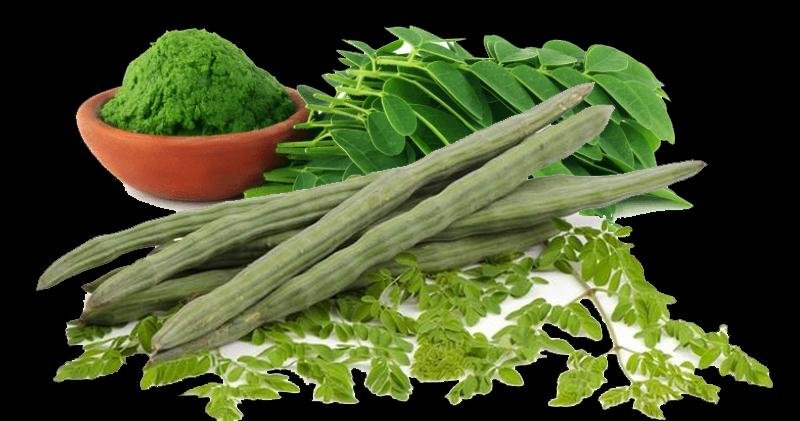
- Culinary Uses – Young leaves can be cooked like spinach, pods (drumsticks) are used in soups and curries, and seeds can be roasted or pressed for oil.
- Medicinal Uses – Traditionally used to reduce inflammation, manage diabetes, lower cholesterol, improve digestion, and boost immunity.
- Nutritional Supplements – Leaves and seeds are processed into powders, capsules, or teas for added nutrition.
- Cosmetic Uses – Moringa oil is used in skin and hair care products for moisturizing, anti-aging, and strengthening effects.
- Water Purification – Crushed seeds can help clarify and purify water due to their natural coagulant properties.
- Animal Feed – Leaves are used as nutritious feed for livestock in some regions.
Moringa/Sohanjna is often called the “miracle tree” because nearly every part of it has practical, health, or nutritional applications.
Conclusion of Moringa/Sohanjna:
Moringa/Sohanjna, often called the “miracle tree,” is a highly nutritious and versatile plant with a long history of use in food, medicine, and wellness. Nearly every part of the tree—leaves, pods, seeds, and flowers—offers health benefits, from boosting immunity and improving digestion to supporting heart and brain health. Its adaptability, nutrient richness, and medicinal properties make moringa/Sohanjna a valuable natural resource for both daily nutrition and holistic health.
About the Author