Description of Jasmine:
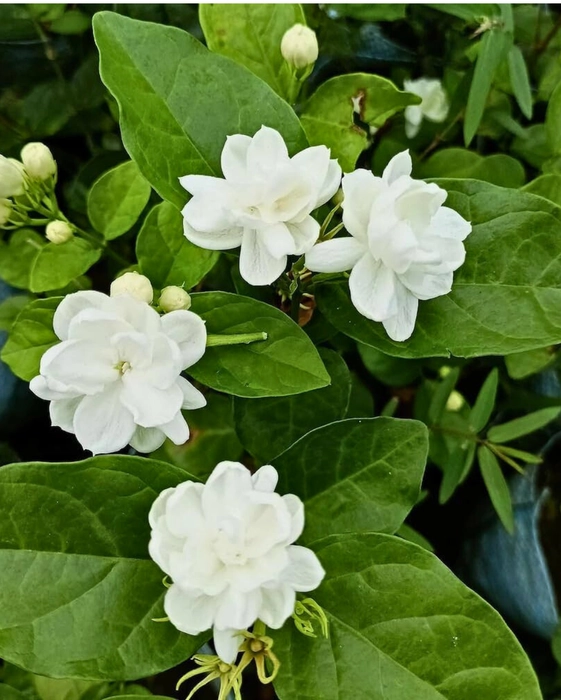
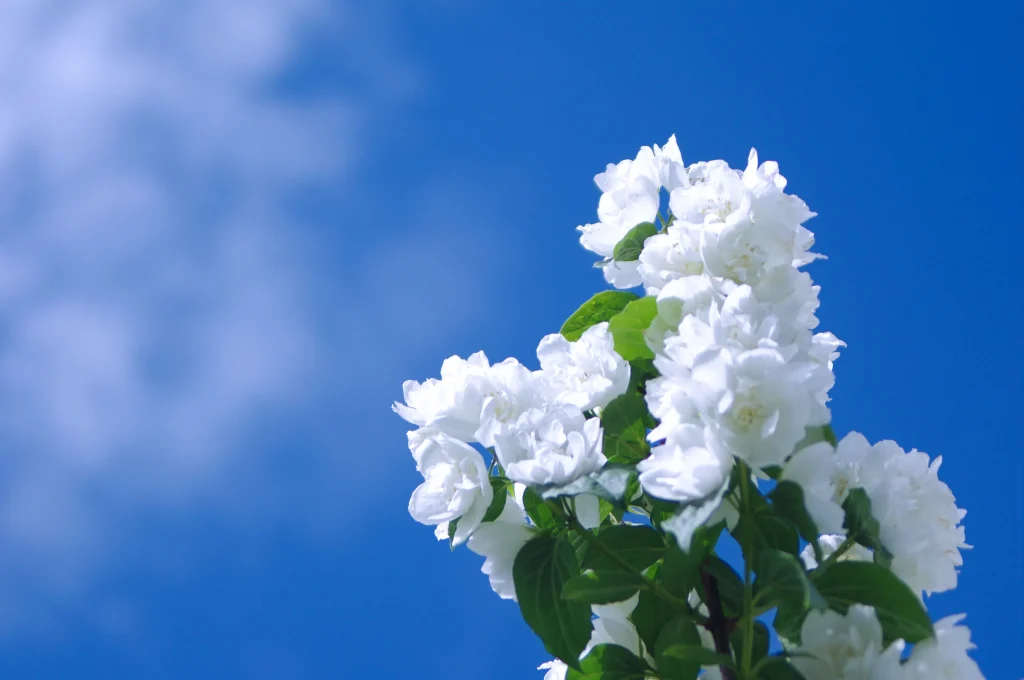
Jasmine is a beautiful, fragrant flowering plant known for its sweet and soothing scent. Its delicate white or yellow star-shaped flowers bloom mostly at night, spreading a refreshing aroma in the air. Jasmine plants can grow as shrubs or climbing vines and are commonly found in warm, tropical, and subtropical regions. The glossy green leaves and charming blooms make jasmine a popular choice for gardens, perfumes, essential oils, and traditional medicines. Its calming fragrance is often linked with peace, purity, and love.
History of Jasmine:
Jasmine has a long and rich history that spans thousands of years. It is believed to have originated in the Himalayan region, including areas of Pakistan, India, Nepal, and parts of Western China. From there, jasmine spread to the Middle East, where it became highly valued for its enchanting fragrance.
Around the 10th century, Arab traders introduced jasmine to Europe, especially Spain and Italy, where it quickly became one of the most cherished garden plants. By the 16th and 17th centuries, jasmine was widely cultivated for use in perfumes, oils, and cosmetics.
In South Asia, jasmine has deep cultural importance. It is used in weddings, religious ceremonies, traditional medicine, and handmade flower garlands. In many cultures, jasmine symbolizes purity, love, peace, and good fortune.
Today, jasmine is grown all over the world, especially in warm climates, and remains one of the most popular fragrant flowers used in perfumes, aromatherapy, and ornamental gardening.
Types of Jasmine:
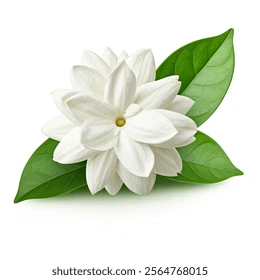
1. Common Jasmine (Jasminum officinale)
Also known as “Poet’s Jasmine.”
- White star-shaped flowers
- Strong, sweet fragrance
- Often used in perfumes and gardens
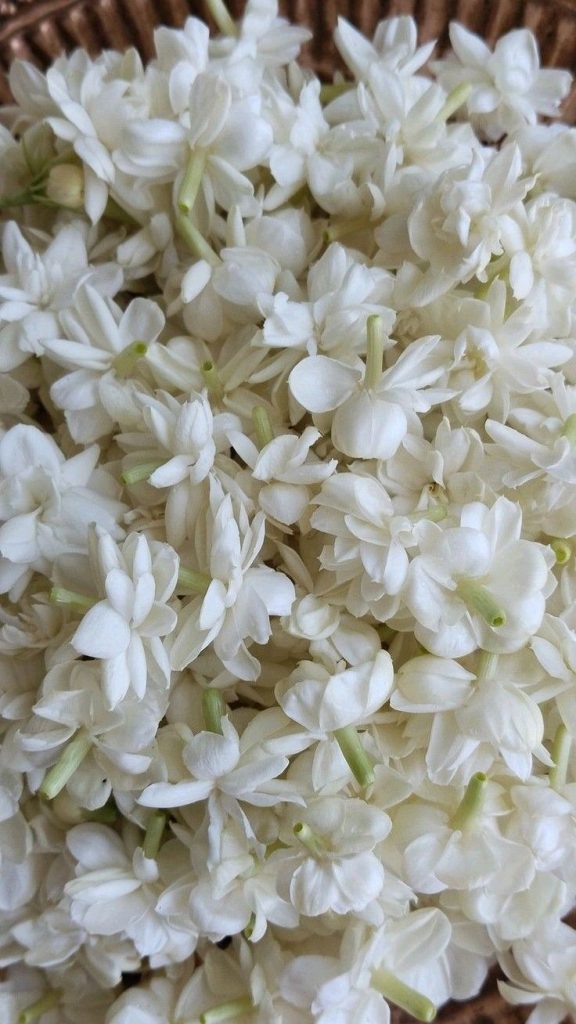
2. Arabian Jasmine (Jasminum sambac)
Called Motia or Mogra in South Asia.
- White, layered, rose-like flowers
- Very fragrant
- Used for garlands, tea, and perfumes
3. Night-Blooming Jasmine (Cestrum nocturnum)
Known as Raat ki Rani.
- Not a true jasmine but similar scent
- Blooms at night
- Very strong aroma
4. Spanish Jasmine (Jasminum grandiflorum)
Also called Royal Jasmine.
- Large white flowers
- Soft, sweet fragrance
- Widely used in high-quality perfumes
5. Winter Jasmine (Jasminum nudiflorum)
- Yellow flowers
- Blooms in winter
- Mild fragrance
- Often used in landscaping
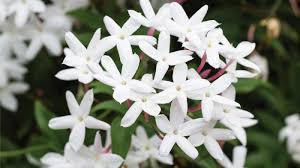
6. Star Jasmine (Trachelospermum jasminoides)
Not a true jasmine but resembles one.
- White pinwheel-shaped flowers
- Strong scent
- Grown as a climber
7. Pink Jasmine (Jasminum polyanthum)
- Pink buds with white flowers
- Very fragrant
- Popular indoor or outdoor climber
8. Wild Jasmine (Jasminum fruticans)
- Yellow flowers
- Mild or no fragrance
- Found in wild and mountainous areas
Uses of Jasmine:
1. Perfume and Fragrance Industry
Jasmine is one of the most important flowers in perfumery. Its essential oil is used to make:
- High-end perfumes
- Body sprays
- Scented soaps
- Lotions and creams
Its sweet aroma is long-lasting and highly valued.
2. Traditional Medicine
Jasmine has been used for centuries in herbal medicine. It may help with:
- Stress and anxiety relief
- Improving sleep
- Digestive comfort
- Reducing headaches
- Skin healing (applied as oil)
3. Aromatherapy
Jasmine essential oil is used in aromatherapy to:
- Calm the mind
- Improve mood
- Enhance relaxation
- Reduce fatigue
It is often used in diffusers, massage oils, and spa treatments.
4. Tea and Beverages
Especially Jasmine Tea, popular in China and South Asia.
- Calming flavor
- Helps digestion
- Refreshing aroma
5. Decoration & Gardening
Jasmine plants are widely used for:
- Home gardens
- Climbers on walls and fences
- Ornamental landscaping
Their fragrance beautifies the environment.
6. Cultural & Religious Uses
In many Asian countries, jasmine is used for:
- Wedding garlands
- Hair decorations
- Religious offerings
- Festivals and traditional ceremonies
7. Cosmetic Uses
Jasmine extracts are added to:
- Face creams
- Hair oils
- Shampoos
- Skin moisturizers
It helps hydrate skin and adds natural fragrance.
8. Essential Oils
Pure jasmine oil is used for:
- Massage therapy
- Natural perfumes
- Skin care
- Healing minor wounds
Conclusion of Jasmine:
Jasmine is a timeless and cherished flower known for its graceful beauty, soothing fragrance, and deep cultural significance. From traditional medicines and aromatic oils to perfumes and religious ceremonies, jasmine plays an important role in daily life across many cultures. Its calming scent brings peace to the mind, while its delicate blossoms add elegance to gardens and homes. Whether used for health, beauty, or decoration, jasmine remains a symbol of purity, love, and natural harmony, making it one of the most treasured flowers in the world.
About the Author