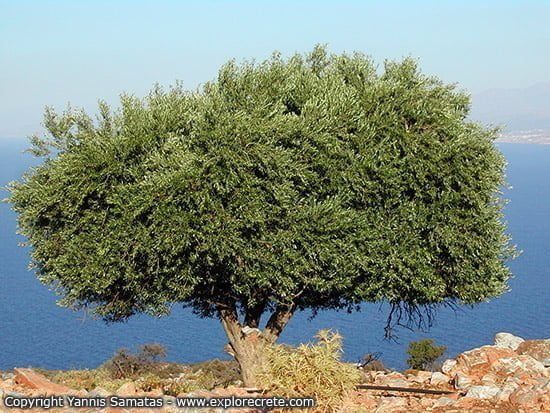
Description of Olive Tree:
The olive tree (Olea europaea) is an ancient, evergreen tree native to the Mediterranean region, known for its resilience, longevity, and economic importance. It can grow up to 8–15 meters in height, with a gnarled, twisted trunk and silvery-green leaves that are narrow and elongated. Olive trees produce small, white, fragrant flowers in spring, which later develop into the fruit known as olives.
History of the Olive Tree:
The olive tree (Olea europaea) is one of the oldest cultivated trees in the world, with origins in the Mediterranean region over 6,000 years ago. It was highly valued by ancient civilizations like the Greeks, Romans, and Egyptians for its fruit, oil, and cultural significance. Olive oil was used for cooking, religious rituals, cosmetics, and lamps.
Over time, olive cultivation spread across Europe, North Africa, the Middle East, and later the Americas, becoming a symbol of peace, prosperity, and longevity. Today, the olive tree remains an important agricultural and cultural staple worldwide.
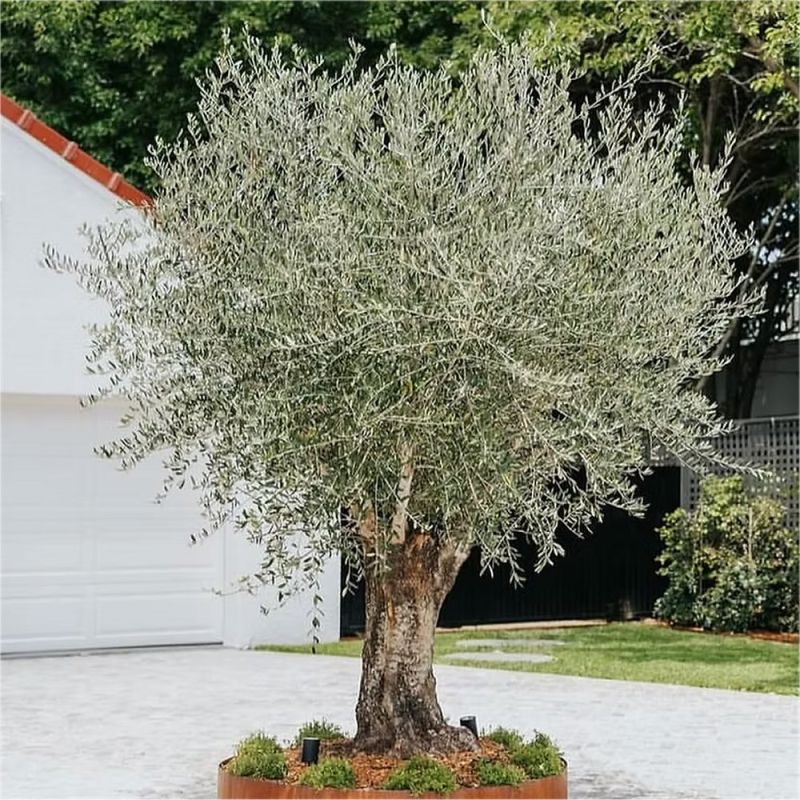
Types of Olive Tree:
Olive trees (Olea europaea) are mainly classified based on their primary use: table olives (for eating) and oil olives (for oil production). Within these categories, there are many varieties, each with unique characteristics.
1. Table Olive Varieties (for eating)
- Manzanilla: Popular in Spain; small, green olives with a slightly nutty flavor.
- Kalamata: Large, dark purple olives from Greece; known for their rich, fruity taste.
- Hojiblanca: Spanish variety; firm texture and slightly bitter flavor, often eaten whole or in salads.
- Arbequina (dual-purpose): Small, mild olives, used both for eating and oil production.
2. Oil Olive Varieties (for olive oil)
- Picual: One of the most common varieties for oil; high in polyphenols, giving a robust flavor and long shelf life.
- Koroneiki: Greek olive; produces high-quality, aromatic oil with a peppery taste.
- Frantoio: Italian variety; fruity and balanced oil, ideal for dressings and cooking.
- Leccino: Italian olive; produces mild, buttery-flavored oil, often blended with other varieties.
3. Ornamental Olive Trees
- Grown primarily for decorative purposes in gardens and landscapes.
- Examples include Dwarf Olive varieties, which are compact and slow-growing, suitable for pots or small yards.
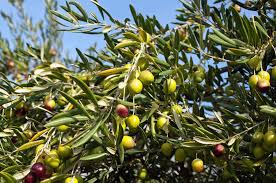
Uses of the Olive Tree:
The olive tree (Olea europaea) is highly valued for its fruit, oil, wood, and cultural significance. Its uses span culinary, medicinal, and ornamental purposes.
1. Culinary Uses
- Olives for Eating: Fresh, pickled, or fermented olives are consumed worldwide as snacks, appetizers, or in salads.
- Olive Oil Production: Olive oil is extracted from the fruit and is a staple in Mediterranean cuisine. It’s used for cooking, baking, dressings, and marinades.
- Flavored Products: Olive oil is used in products like tapenades, sauces, and gourmet spreads.
2. Medicinal and Health Uses
- Olive oil is rich in monounsaturated fats, antioxidants, and vitamins, promoting heart health, reducing inflammation, and supporting skin and hair health.
- Olive leaves and extracts have been used in traditional medicine for their antimicrobial and anti-inflammatory properties.
3. Industrial and Cosmetic Uses
- Cosmetics: Olive oil is used in soaps, lotions, shampoos, and skincare products for its moisturizing properties.
- Wood: Olive wood is dense, durable, and prized for making furniture, kitchen utensils, carvings, and decorative items.
4. Environmental and Landscaping Uses
- Olive trees are hardy and drought-resistant, making them ideal for soil conservation and erosion control.
- They are also grown as ornamental trees for gardens, parks, and streets due to their aesthetic, twisted trunks and silvery-green foliage.
5. Cultural and Symbolic Uses
- Olive branches symbolize peace, wisdom, and prosperity across many cultures.
- Olive trees are often planted as a symbol of longevity and endurance due to their ability to live for centuries.
Benefits of the Olive Tree:
The olive tree (Olea europaea) offers numerous benefits for health, the environment, and daily life. Its fruit, oil, leaves, and wood are all highly valuable.
1. Health Benefits
- Heart Health: Olive oil is rich in monounsaturated fats, which help reduce bad cholesterol (LDL) and improve good cholesterol (HDL), supporting cardiovascular health.
- Antioxidant Properties: Olive oil contains antioxidants like vitamin E and polyphenols, which protect the body from oxidative stress and inflammation.
- Anti-inflammatory Effects: Compounds in olives and olive oil help reduce inflammation, potentially lowering the risk of chronic diseases.
- Skin and Hair Care: Olive oil and extracts moisturize and nourish skin and hair, preventing dryness and damage.
- Blood Sugar Regulation: Some studies suggest olive oil may help improve insulin sensitivity and regulate blood sugar levels.
2. Nutritional Benefits
- Olives provide essential vitamins (A, C, E, K) and minerals (calcium, iron, magnesium).
- They are a good source of healthy fats and dietary fiber.
About the Author