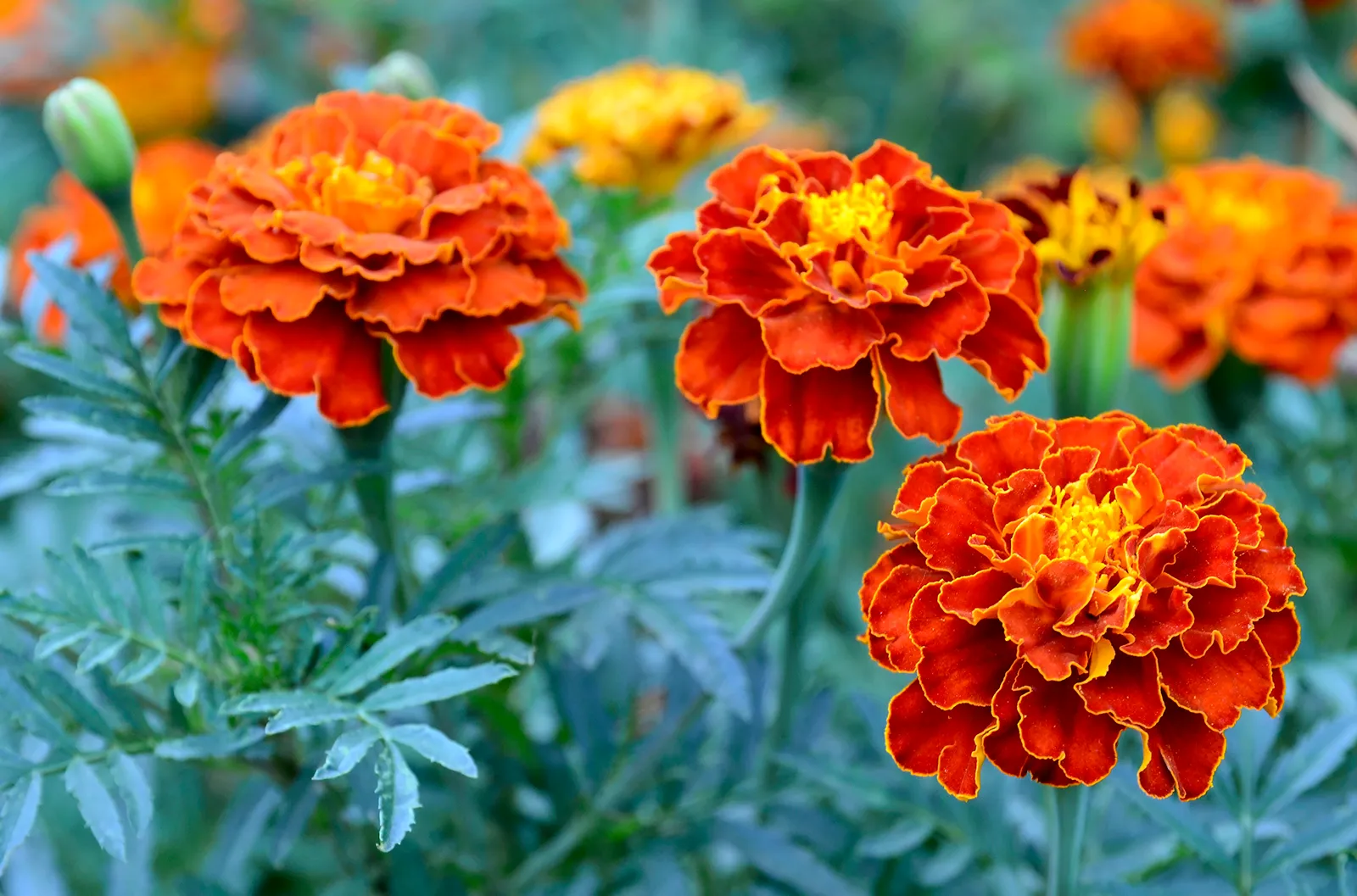
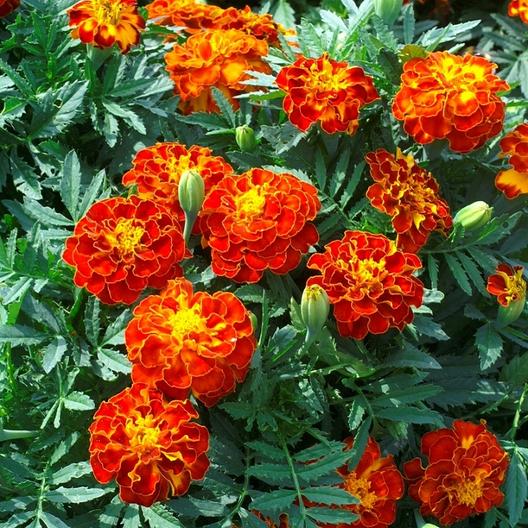
Marigold (Tagetes) is a bright and vibrant flowering plant known for its golden-yellow, orange, and sometimes reddish blooms. It has a strong, distinctive fragrance and soft, layered petals that create a full, rounded flower shape. Marigolds grow easily in warm climates and are popular in gardens, pots, and decorative arrangements.
The plant has dark green, serrated leaves and blooms throughout the year in many regions. Marigolds are widely used for decoration, religious ceremonies, festivals, and also in gardening because they repel pests naturally. Their cheerful colors symbolize positivity, purity, and good luck.
History of Marigold:
Marigold (genus Tagetes) has a long and rich history that dates back thousands of years. The flower is native to Central and South America, especially Mexico, where it was first cultivated by ancient civilizations such as the Aztecs. They valued marigolds for their bright colors, medicinal uses, and spiritual significance. The Aztecs used marigold petals in rituals, dyes, and herbal remedies.
In the 16th century, Spanish explorers brought marigold seeds from the Americas to Europe, where the flower quickly became popular due to its vibrant color and easy growth. From Europe, marigolds spread to Africa and Asia, especially India, where they became an important part of religious ceremonies, festivals, weddings, and daily worship.
Today, marigold is grown all around the world. In Mexico, it remains deeply connected to the Day of the Dead celebrations, where the flower is known as “Cempasúchil” and is believed to guide the spirits of loved ones. In India and South Asia, marigolds are widely used for garlands, decorations, and cultural traditions.
Marigold’s journey from ancient Mexico to global importance shows how a simple, colorful flower became a symbol of celebration, purity, and remembrance across many cultures.
Types of Marigold:
1. African Marigold (Tagetes erecta)
- Also called Aztec Marigold or Big Marigold.
- Has large, round, fluffy flowers in yellow and orange.
- Grows tall (up to 3–4 feet).
- Popular for garlands, decorations, and festivals.
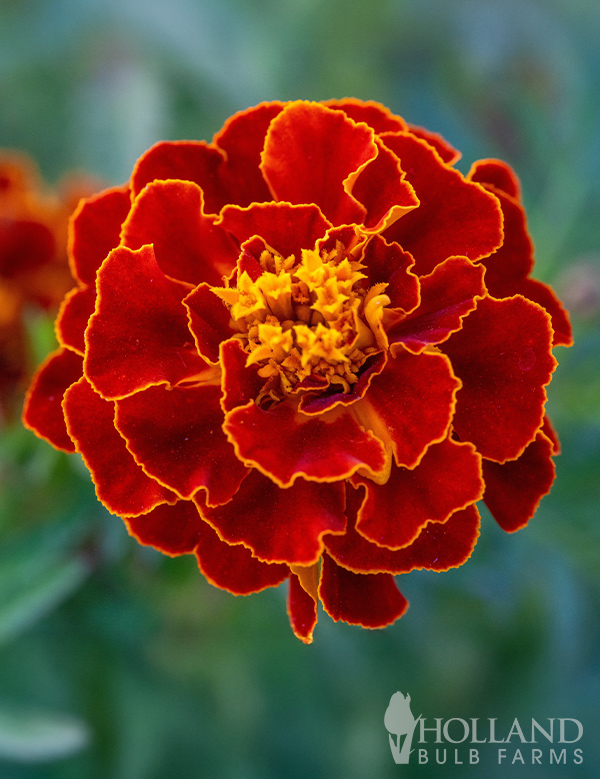
2. French Marigold (Tagetes patula)
- Smaller than African marigold.
- Flowers are bright and multi-colored (yellow, orange, red, and maroon).
- Grows short and bushy, perfect for borders and pots.
- Known for its strong pest-repelling ability.
3. Signet Marigold (Tagetes tenuifolia)
- Has small, single-petal flowers.
- Leaves are fern-like and delicate.
- Light fragrance and edible petals.
- Great for edging gardens and culinary uses.
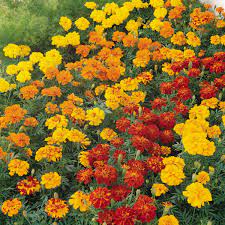
4. Triploid Marigold
- A hybrid between African and French marigold.
- Produces large blooms and is more heat-tolerant.
- Does not produce seeds, so it’s grown from cuttings or nursery plants.
5. Wild Marigolds (Various Tagetes species)
- Include species like Tagetes minuta.
- Mostly used for essential oils, medicinal purposes, and pest control.
Uses of Marigold:
1. Decorative and Ornamental Use
- Widely used for garden decoration, borders, and pots.
- Popular for festivals, weddings, and ceremonies because of their bright colors.
- Used to make garlands and floral arrangements, especially in South Asia.
2. Religious and Cultural Uses
- Used in temples, rituals, and offerings.
- Important in Indian festivals like Diwali, and in Mexico during Day of the Dead (Día de Muertos).
3. Medicinal Uses
- Marigold contains natural compounds with anti-inflammatory, antiseptic, and healing properties.
- Used in traditional medicine to treat:
- Skin wounds
- Rashes
- Infections
- Minor burns
- Often used in herbal teas, creams, and ointments (especially Calendula marigold).
4. Pest Control in Agriculture
- Marigold roots release chemicals that repel nematodes (soil pests).
- The plant keeps away insects like mosquitoes, aphids, and beetles.
- Often planted as a companion crop in vegetable gardens.
5. Culinary Uses (Limited Types Only)
- Signet marigold petals are edible.
- Used to add color to salads, teas, and desserts.
- In some cultures, marigold is used as a natural food coloring.
6. Cosmetic Uses
- Extracts of marigold are used in:
- Skin creams
- Lotions
- Soaps
- Hair oils
- Known for soothing and healing skin.
7. Industrial Uses
- Marigold extract is used to produce natural dyes in yellow and orange shades.
- Used in poultry feed to give yolk a deeper golden color.
About the Author