Description of Lily Flower:
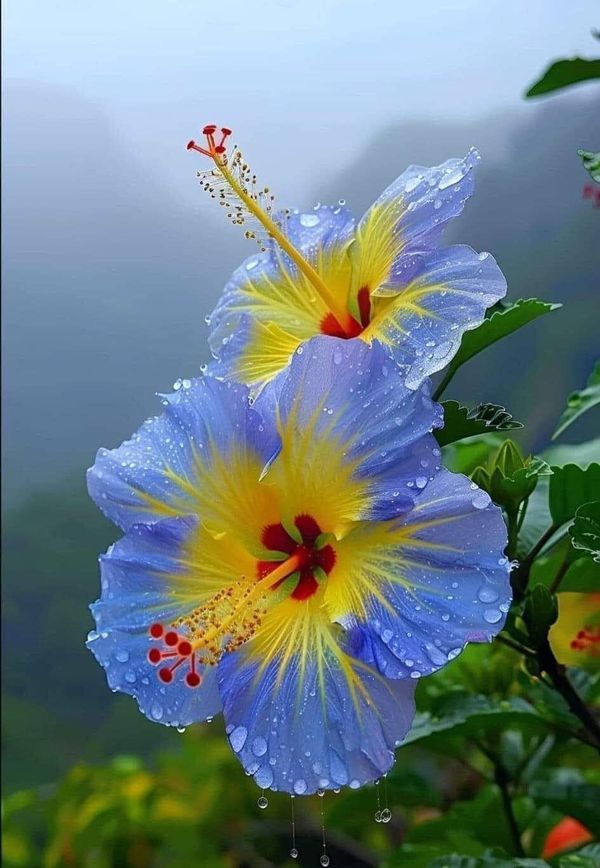
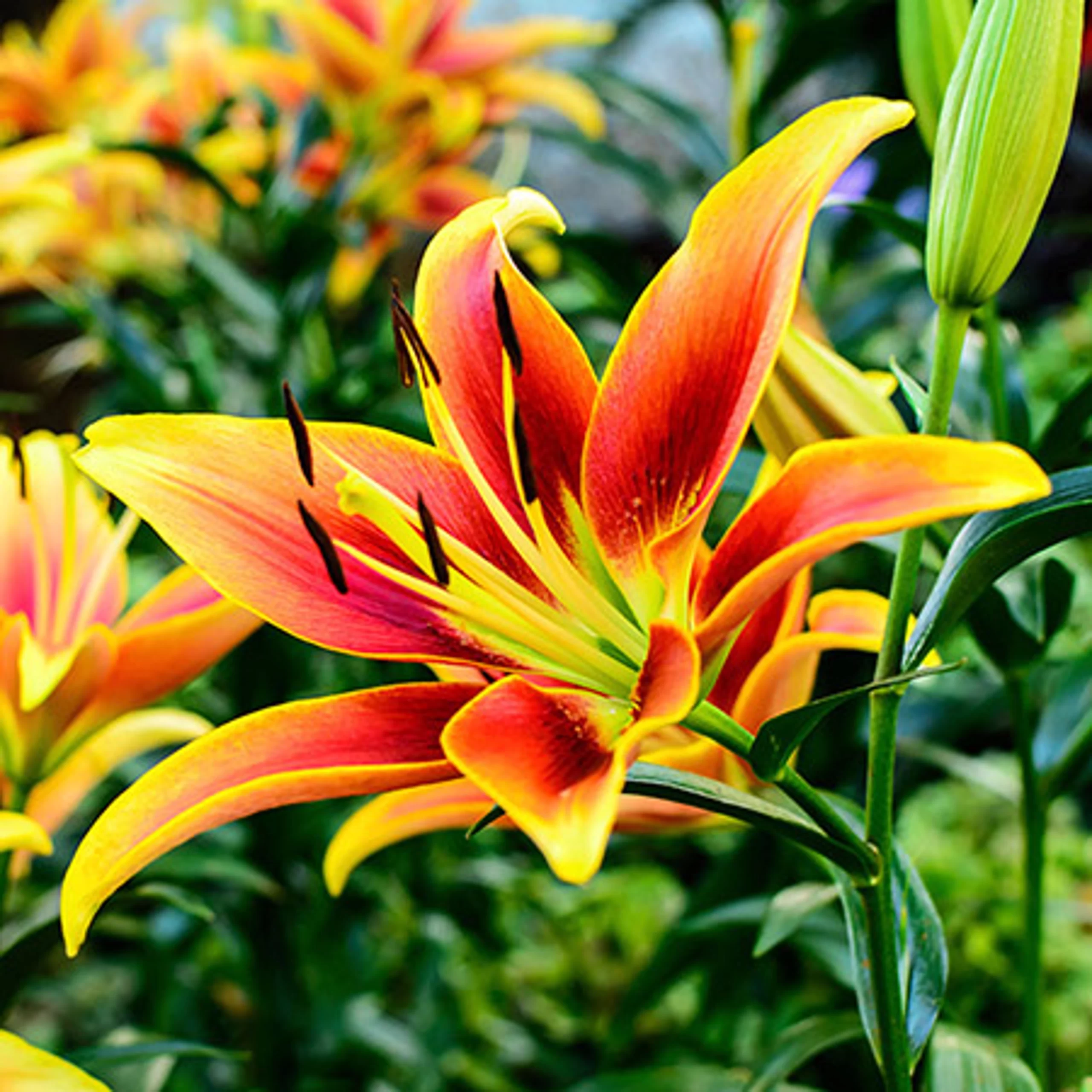
The lily flower (Lilium) is a graceful and elegant flowering plant known for its large, trumpet-shaped blooms and rich symbolism. Lilies grow from bulbs and produce tall, slender stems topped with clusters of vibrant flowers in colors such as white, pink, yellow, orange, and red. Many varieties have a sweet, enchanting fragrance that fills the air.
Lilies are admired for their striking petals, often spotted or patterned, and their long, prominent stamens that add to their beauty. They bloom in the summer and are widely used in gardens, bouquets, and decorations due to their charm and purity.
Symbolizing love, purity, renewal, and devotion, the lily remains one of the most beloved flowers in the world.
History of Lily Flower:
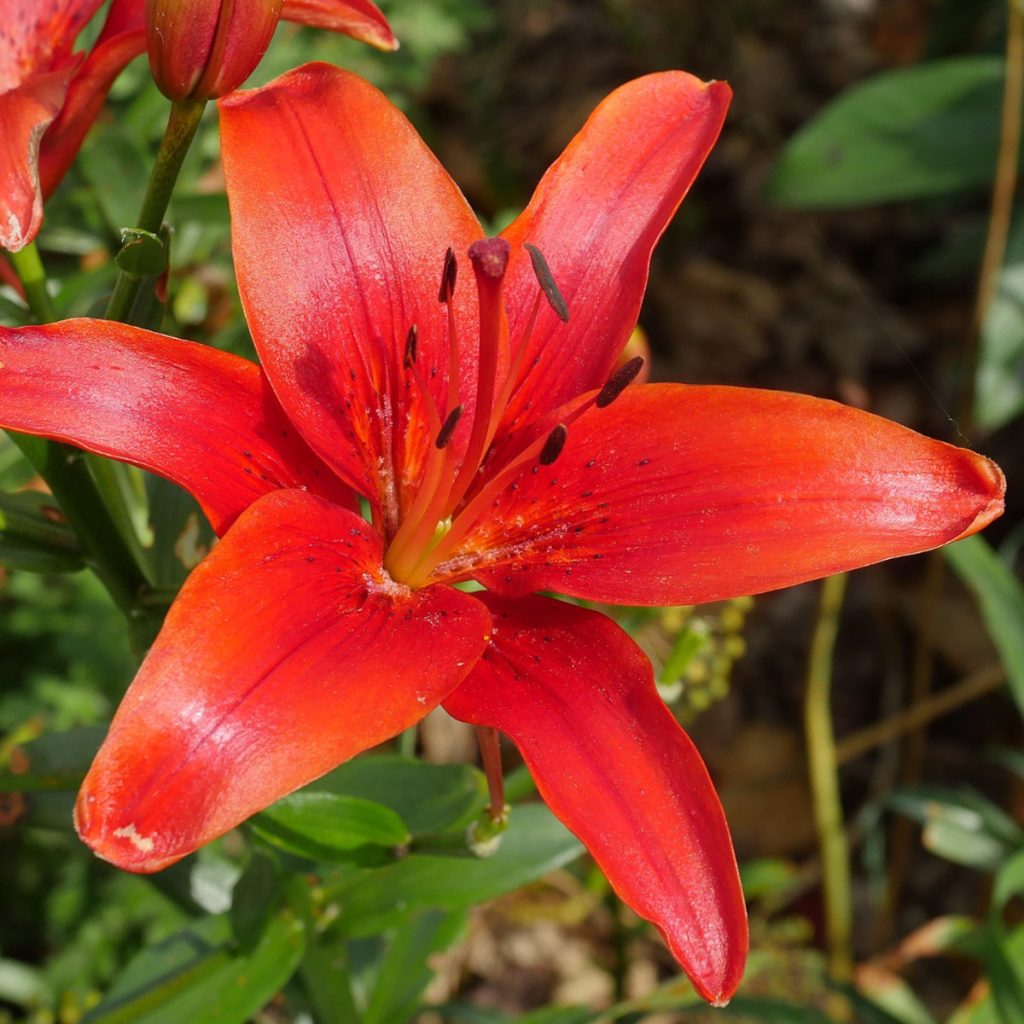
The lily flower (genus Lilium) is one of the oldest and most cherished flowering plants in human history. Its origins trace back over 3,000 years, appearing in ancient civilizations across Asia, Europe, and the Middle East.
Ancient Civilizations
- Ancient Egypt: Lilies were found in tomb paintings and were believed to symbolize rebirth and purity. They were often associated with the goddess Isis.
- Ancient Greece: Greeks connected lilies with Hera, the queen of the gods. According to myth, lilies sprouted from the spilled milk of Hera, symbolizing motherhood and purity.
- China: In Chinese history, lilies have been cultivated for more than 2,000 years. They symbolize long-lasting love, and the bulbs were also used in traditional medicine.
Middle Ages
During medieval times in Europe, lilies became strongly linked with Christian symbolism, especially the Madonna Lily, representing purity, virtue, and the Virgin Mary. Artists frequently painted lilies in religious artwork.
Renaissance to Modern Era
With the rise of botanical exploration, lilies were carried worldwide:
- New species were discovered in Asia and North America.
- They gained popularity in gardens for their elegance, fragrance, and wide range of colors.
Today
Lilies are now grown across the globe and remain one of the most adored ornamental flowers. They symbolize:
- Purity
- Renewal
- Femininity
- Love and devotion
Types of Lily Flower:
1. Asiatic Lilies
- Earliest blooming type
- Wide range of bright colors (yellow, orange, red, pink)
- Usually unscented
- Very easy to grow
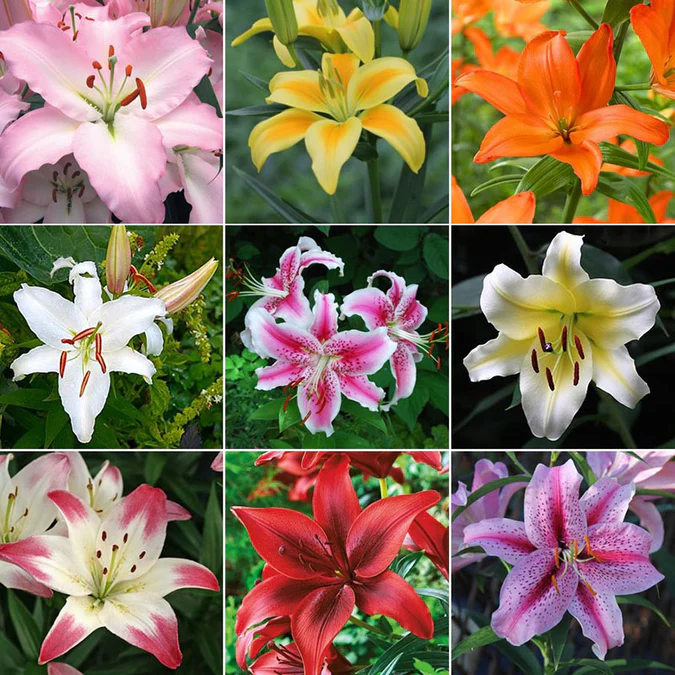
2. Oriental Lilies
- Large, showy flowers
- Strong, sweet fragrance
- Colors: pink, white, red
- Bloom in mid to late summer
3. Trumpet Lilies
- Long, trumpet-shaped blooms
- Powerful fragrance
- Colors: white, yellow, cream
- Very elegant and tall
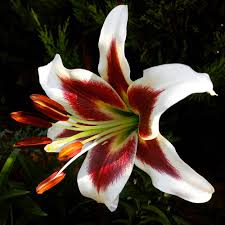
4. LA Hybrid Lilies (Longiflorum × Asiatic)
- Cross between Easter lily and Asiatic lily
- Bigger flowers than Asiatic
- Mild fragrance
- Long-lasting as cut flowers
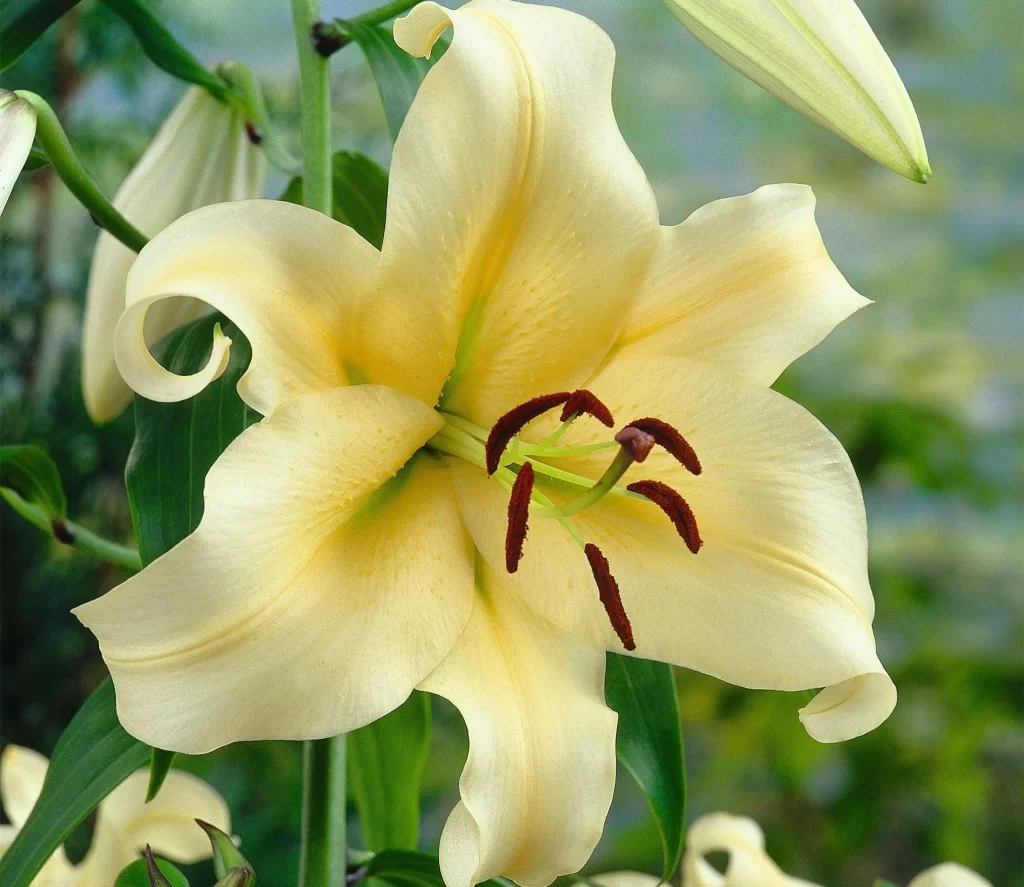
5. OT Hybrid Lilies (Oriental × Trumpet)
- Also called “Orienpet Lilies”
- Huge blooms, very fragrant
- Strong and tall plants
- Colors: red, yellow, pink, white
6. Longiflorum Lilies (Easter Lilies)
- Famous for Easter celebrations
- Pure white, trumpet-shaped flowers
- Symbol of purity and hope
- Mild fragrance
7. Martagon Lilies (Turk’s Cap Lilies)
- Distinct reflexed petals (fold backward)
- Many small blooms per stem
- Good for woodland gardens
8. Tiger Lilies
- Bright orange flowers with black spots
- Very hardy
- Symbol of confidence and courage
9. Calla Lilies (commonly mistaken as lilies)*
(Not true lilies but often included)
- Elegant, funnel-shaped flowers
- Colors: white, purple, yellow, pink
- Popular in floral arrangements
Conclusion of Lily Flower:
The lily stands as one of nature’s most elegant and meaningful flowers, admired for its beauty, fragrance, and deep symbolism. With its graceful petals and vibrant colors, it brings a sense of purity, love, and renewal to gardens, homes, and celebrations. Throughout history, lilies have held an important place in cultures around the world, representing hope, devotion, and spiritual connection. Whether used in floral arrangements, grown in landscapes, or cherished for their symbolism, lilies continue to inspire and captivate people everywhere.
About the Author