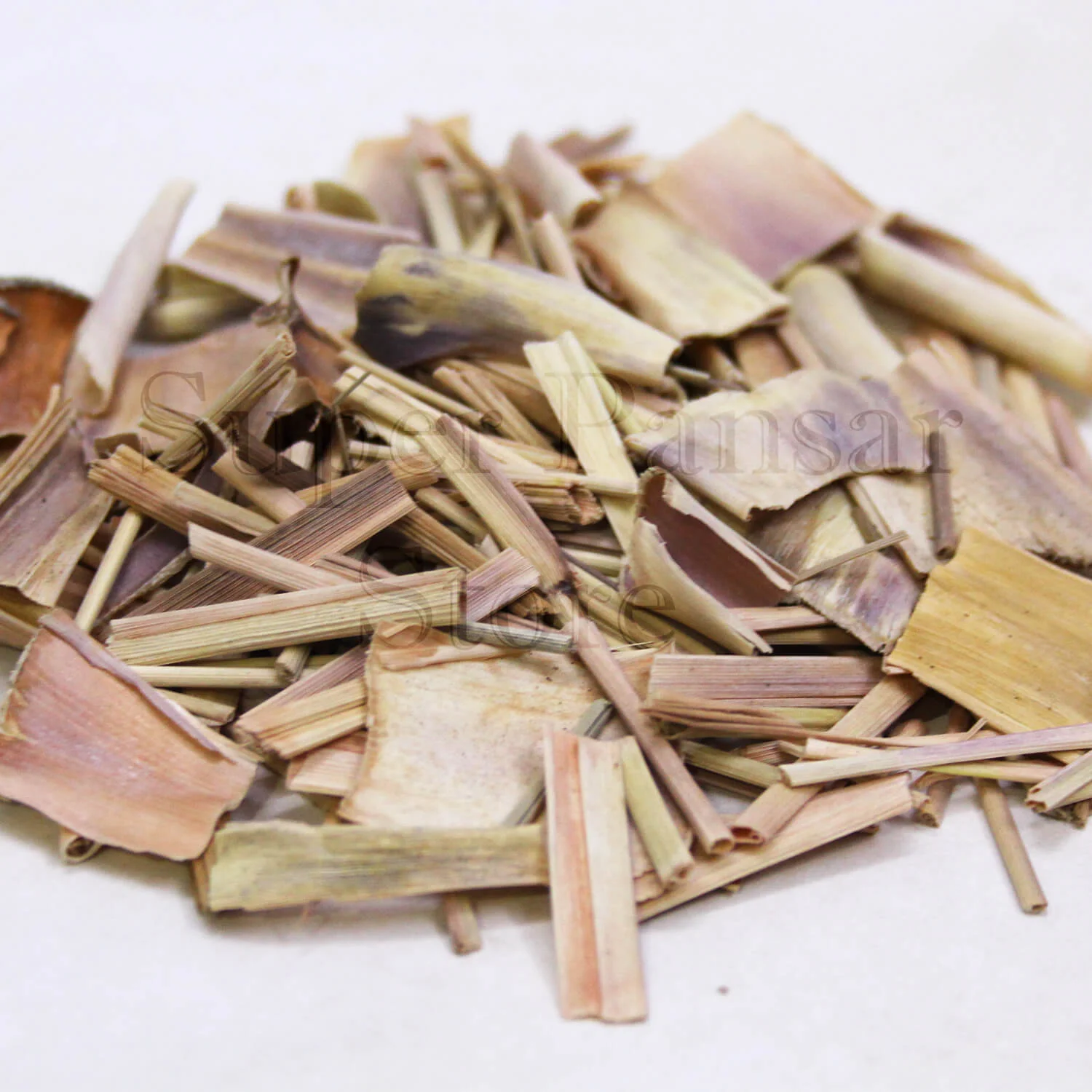
Lemongrass is a fragrant tropical herb known for its fresh lemon-like aroma and powerful healing properties. Commonly used in teas, cooking, and essential oils, it supports digestion, boosts immunity, reduces stress, and acts as a natural detoxifier. Its soothing scent and versatile uses make it a popular choice for culinary, medicinal, and aromatherapy purposes.
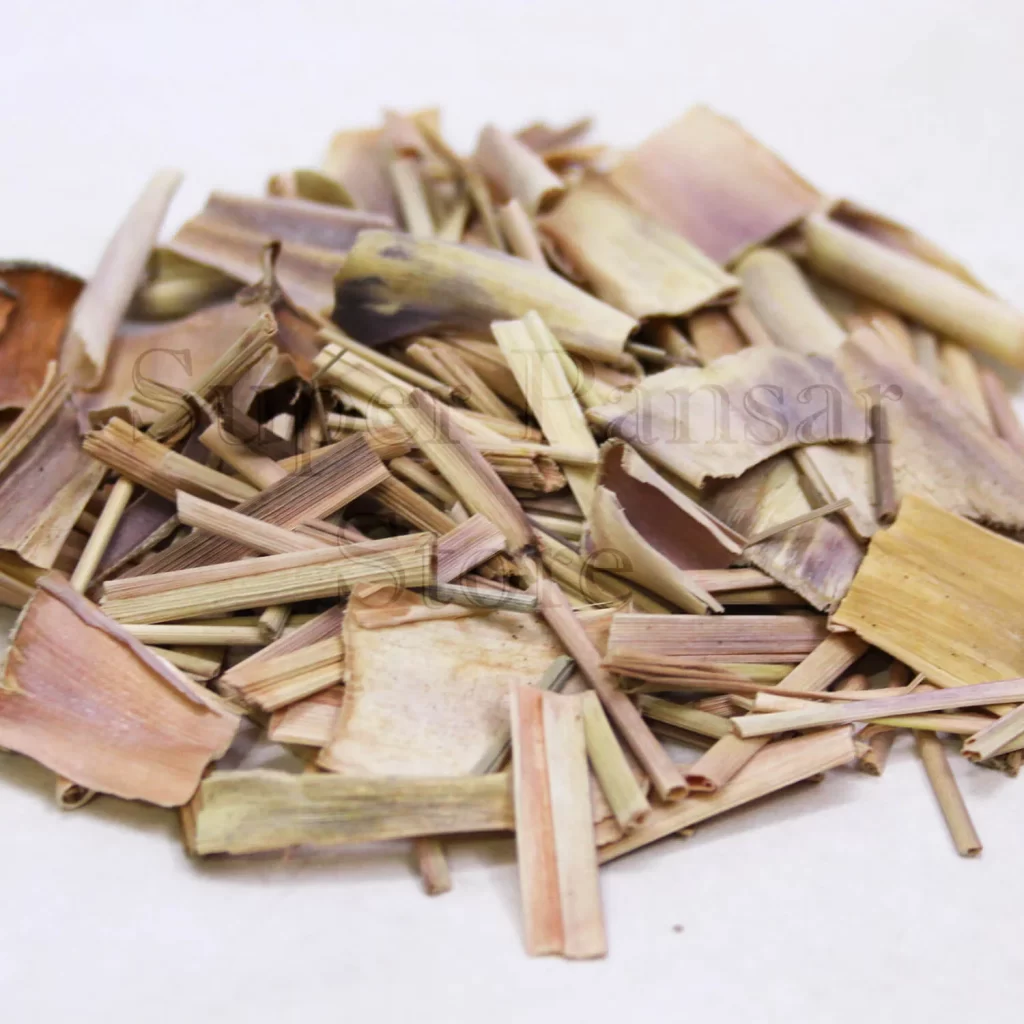
Lemongrass is a plant in the grass family. There are over 100 lemongrass species, including Cymbopogon citratus, which is often used in foods and medicine.
Lemongrass leaf and essential oil contain chemicals that might help prevent some bacteria and yeast from growing. Lemongrass also contains chemicals that might relieve pain and swelling.
People use lemongrass for stomach pain, dandruff, high cholesterol, gingivitis, thrush, and many other conditions, but there is no good scientific evidence to support these uses.
Don’t confuse lemongrass with other plants and ingredients that have similar names, including citronella oil, lemon eucalyptus, and citronella (stone root). These are not the same.
History of Lemongrass (Cymbopogon citratus)
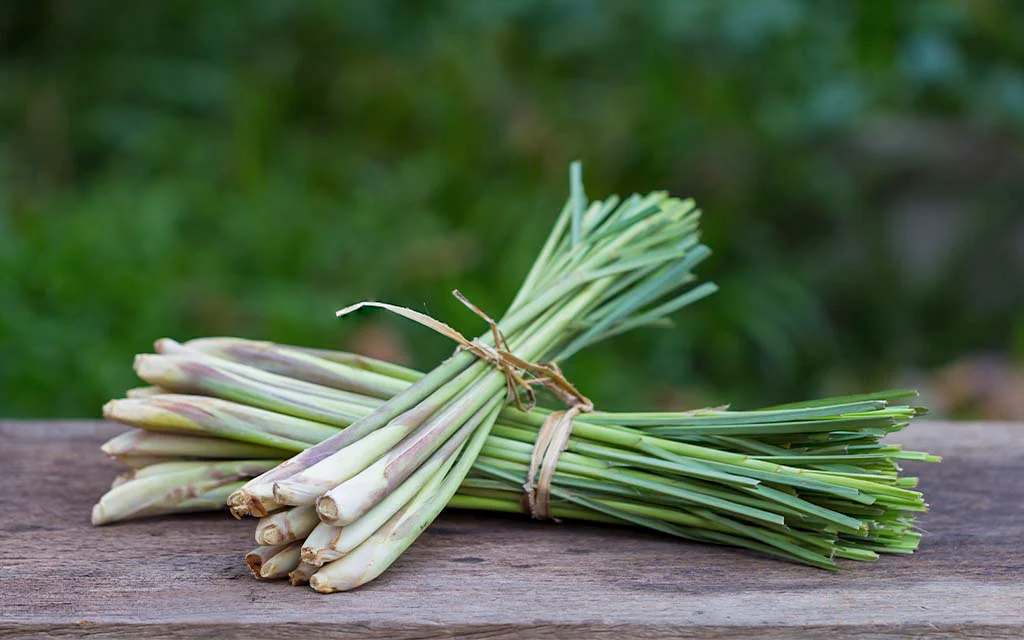
Lemongrass, also known as Cymbopogon, is an aromatic herb that has been used for centuries across Asia, Africa, and the Middle East. Its refreshing lemon-like fragrance and medicinal properties made it a valuable plant in ancient cultures.
Ancient Origins
- Lemongrass is believed to have originated in Southeast Asia, especially in India, Sri Lanka, Thailand, and Malaysia.
- In ancient India, it was mentioned in Ayurvedic texts, where it was used to treat fevers, digestive issues, and infections.
Modern Cultivation
- By the 20th century, lemongrass farming expanded globally, especially in:
- India
- Indonesia
- Brazil
- Guatemala
- Sri Lanka
- India became one of the world’s major producers of lemongrass essential oil, widely used in perfumes, soaps, cosmetics, and medicines.
🌿 Benefits of Lemongrass
1. Aids Digestion
- Helps relieve bloating, gas, and stomach discomfort.
- Supports healthy digestion and reduces constipation.
2. Anti-inflammatory Properties
- Reduces swelling and inflammation in the body.
- Helpful for joint pain and arthritis symptoms.
3. Rich in Antioxidants
- Protects the body from damage caused by free radicals.
- Helps boost overall immunity.
4. Natural Detoxifier
- Cleanses the liver and kidneys.
- Helps remove toxins from the body.
5. Fights Bacteria & Fungi
- Lemongrass has antibacterial and antifungal properties.
- Helps fight infections and improve skin health.
6. Supports Heart Health
- May help lower cholesterol levels.
- Supports better blood circulation.
7. Helps Reduce Stress & Anxiety
- The aroma promotes relaxation.
- Used in aromatherapy to calm the mind and improve sleep.
8. Aids in Weight Loss
- Lemongrass tea helps boost metabolism.
- Acts as a mild natural diuretic.
9. Good for Skin & Hair
- Reduces acne due to antimicrobial properties.
- Strengthens hair follicles and reduces dandruff.
🍵 Uses of Lemongrass
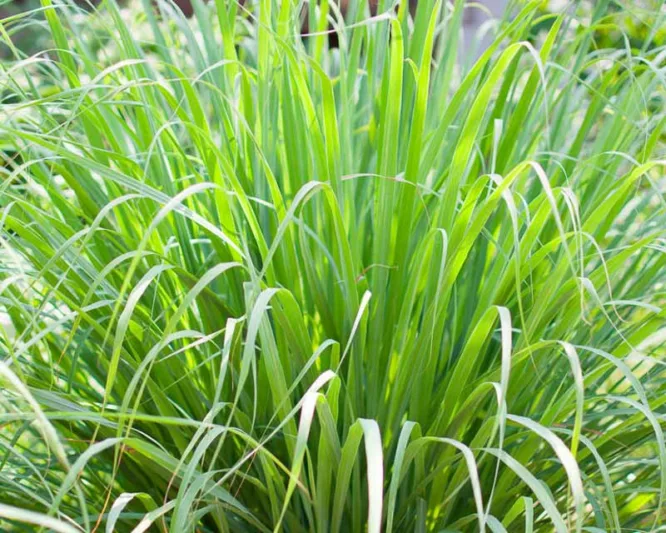
1. In Cooking
- Common in Thai, Vietnamese, and Indian cuisines.
- Used in soups, curries, teas, and marinades.
- Adds a fresh citrus aroma to dishes.
2. Herbal Tea
- Lemongrass tea is used to:
- improve digestion
- reduce stress
- detoxify the body
- promote better sleep
3. Essential Oil
- Used in:
- aromatherapy
- massage oils
- diffusers
- insect repellents
- skincare products
4. Medicinal Use
- Used in traditional medicine to treat:
- fever
- flu
- stomach issues
- infections
5. Beauty & Skincare
- Found in soaps, shampoos, lotions, and toners.
- Helps cleanse the skin and control oil.
6. Household Use
- Used as a natural mosquito repellent.
- Added to cleaning products for its fresh fragrance and antibacterial properties.
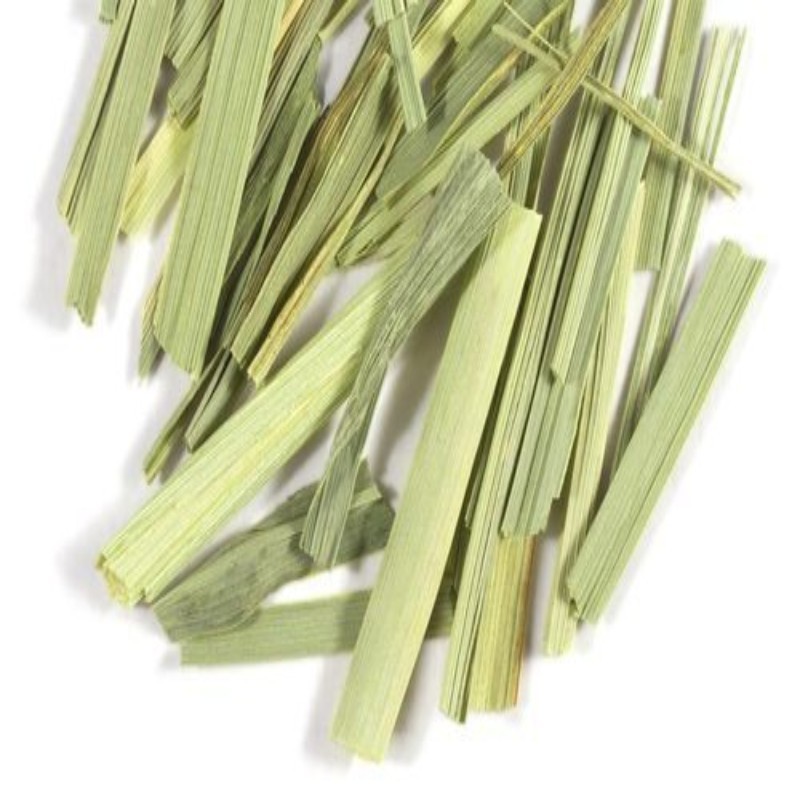
Conclusion of Lemongrass:
Lemongrass is more than just a fragrant herb—it is a powerful natural remedy with a wide range of benefits. From boosting digestion and immunity to supporting relaxation and skincare, this versatile plant has earned its place in both traditional medicine and modern wellness. Whether used in teas, cooking, or essential oils, lemongrass continues to be valued for its refreshing aroma and healing properties, making it an essential herb for health, beauty, and everyday well-being.
About the Author