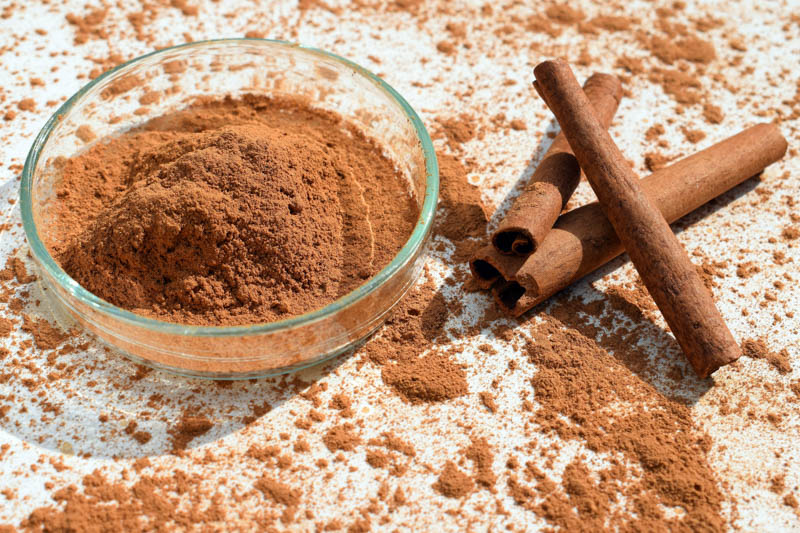
Cinnamon powder in a petri dish and cinnamon sticks, white background
Description of Cinnamon
Cinnamon is a fragrant spice obtained from the inner bark of trees belonging to the genus Cinnamomum. Known for its warm, sweet, and slightly spicy flavor, it has been treasured for thousands of years in cooking, medicine, and even as a precious commodity. Cinnamon is commonly used in both sweet and savory dishes, beverages, and baked goods. Beyond its culinary appeal, it is also valued for its potential health benefits, including antioxidant properties, blood sugar regulation, and antimicrobial effects. Its rich aroma and versatile uses make cinnamon one of the most beloved spices worldwide.
History of Cinnamon:
Cinnamon is one of the oldest known spices, prized for over 4,000 years. It originates from Sri Lanka, India, Myanmar, and other parts of Southeast Asia. Ancient Egyptians used it in embalming and perfumes, while the spice was highly valued in ancient China and Rome for its aroma and medicinal properties. During the Middle Ages, cinnamon became a luxury item in Europe, often worth more than gold, and was a major driver of the spice trade. European explorers, including the Portuguese and Dutch, later controlled its trade, establishing plantations in Ceylon (modern-day Sri Lanka). Today, cinnamon remains a widely used spice, cherished for both its flavor and its historical significance.
Types of Cinnamon:
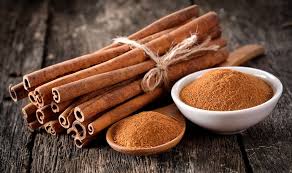
- Ceylon Cinnamon (True Cinnamon)
- Botanical name: Cinnamomum verum
- Origin: Sri Lanka
- Characteristics: Light brown, thin bark, delicate and mildly sweet flavor
- Uses: Desserts, beverages, and dishes where a subtle cinnamon flavor is desired
- Cassia Cinnamon
- Botanical name: Cinnamomum cassia
- Origin: China, Indonesia
- Characteristics: Darker, thicker bark, stronger and more pungent flavor
- Uses: Baking, cooking, and commercial cinnamon products
- Saigon Cinnamon (Vietnamese Cinnamon)
- Botanical name: Cinnamomum loureiroi
- Origin: Vietnam
- Characteristics: Very strong, sweet, and spicy aroma
- Uses: Specialty desserts, spiced drinks, and recipes requiring intense cinnamon flavor
- Indonesian Cinnamon (Korintje Cinnamon)
- Botanical name: Cinnamomum burmannii
- Origin: Indonesia
- Characteristics: Mild, sweet flavor, slightly astringent
- Uses: Common in ground cinnamon for baking and snacks
- Malabar Cinnamon
- Botanical name: Cinnamomum citriodorum
- Origin: India (Malabar Coast)
- Characteristics: Citrusy aroma with mild sweetness
- Uses: Flavoring teas, desserts, and traditional medicine
Uses of Cinnamon:
1. Culinary Uses:
- Adds flavor to desserts like cakes, cookies, and pastries.
- Enhances beverages such as tea, coffee, and hot chocolate.
- Used in savory dishes, curries, and stews in some cultures.
- Common in spice blends like garam masala and pumpkin spice.
2. Medicinal Uses:
- May help regulate blood sugar levels.
- Has anti-inflammatory and antioxidant properties.
- Used traditionally for digestive issues, colds, and sore throats.
3. Cosmetic and Aromatic Uses:
- Added to perfumes, soaps, and candles for its warm aroma.
- Sometimes used in skincare products for its antimicrobial properties.
4. Household Uses:
- Acts as a natural insect repellent.
- Used in potpourri and air fresheners for a pleasant fragrance.
5. Cultural and Ritual Uses:
- In some cultures, cinnamon is used in rituals, offerings, and traditional ceremonies.
Benefits of Cinnamon:
- 1. Antioxidant Properties:
Cinnamon is rich in antioxidants, which help protect the body from oxidative stress and damage caused by free radicals. - 2. Blood Sugar Regulation:
It may help lower blood sugar levels and improve insulin sensitivity, making it beneficial for people with type 2 diabetes. - 3. Anti-Inflammatory Effects:
Cinnamon contains compounds that reduce inflammation in the body, supporting overall health. - 4. Heart Health:
Regular consumption may help reduce risk factors for heart disease, such as high cholesterol and high blood pressure. - 5. Antimicrobial Properties:
Cinnamon has natural antimicrobial and antifungal effects, helping fight infections and bacteria. - 6. Brain Health:
Some studies suggest cinnamon may improve cognitive function and protect against neurodegenerative diseases. - 7. Digestive Health:
It can help with digestion, reduce bloating, and relieve stomach discomfort. - 8. Weight Management:
Cinnamon may help regulate metabolism and reduce appetite, supporting weight management efforts.
About the Author