Description of Cedar Tree
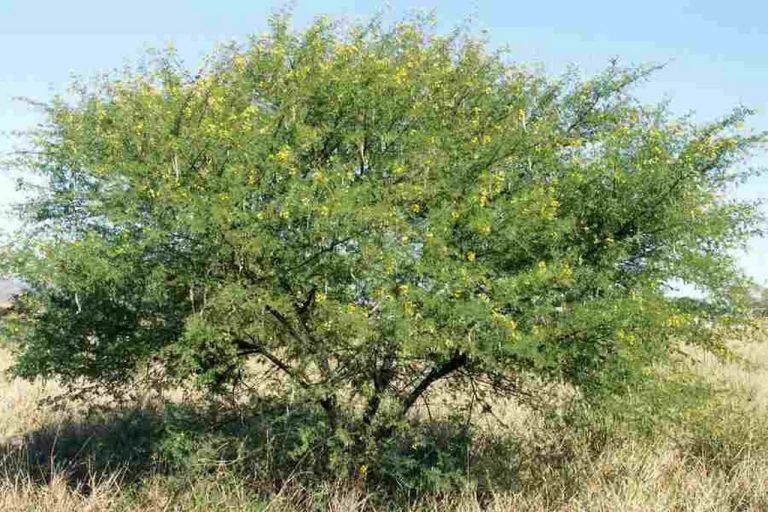
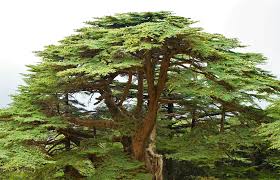
The cedar tree is a tall, majestic evergreen known for its aromatic wood, needle-like leaves, and strong, spreading branches. It typically grows in mountainous regions and can reach impressive heights, forming a broad, pyramid-shaped crown. Cedars have dense clusters of dark green or blue-green needles and produce distinctive barrel-shaped cones that stand upright on the branches. Their wood is naturally resistant to insects, moisture, and decay, giving the tree a long lifespan and making it highly valued for construction and craftsmanship. Revered for its strength, fragrance, and beauty, the cedar tree stands as a timeless symbol of endurance and peace.
History of the Cedar Tree
The cedar tree has a long and legendary history, stretching back thousands of years. Native to the mountains of the Mediterranean, Himalayas, and Middle East, cedars have been admired since ancient civilizations for their strength, durability, and symbolic importance.
The ancient Egyptians used cedar resin for embalming and its wood for shipbuilding and sacred artifacts. The Phoenicians—renowned sailors—built their powerful ships from cedar, while King Solomon’s Temple in Jerusalem is described in historical texts as being constructed with prized cedar wood from Lebanon.
In Mesopotamian mythology, the Cedar Forest was considered sacred, guarded by divine beings and celebrated in the Epic of Gilgamesh. Throughout history, cedar trees became symbols of immortality, protection, and spiritual purity.
Many cultures also planted cedar for ceremonial purposes, believing its fragrance and evergreen nature represented eternal life. Today, the cedar continues to be valued for its durable wood, cultural heritage, and iconic presence in forests worldwide.
Types of Cedar Tree
True Cedars (Genus: Cedrus)
These are the real cedar species recognized botanically.
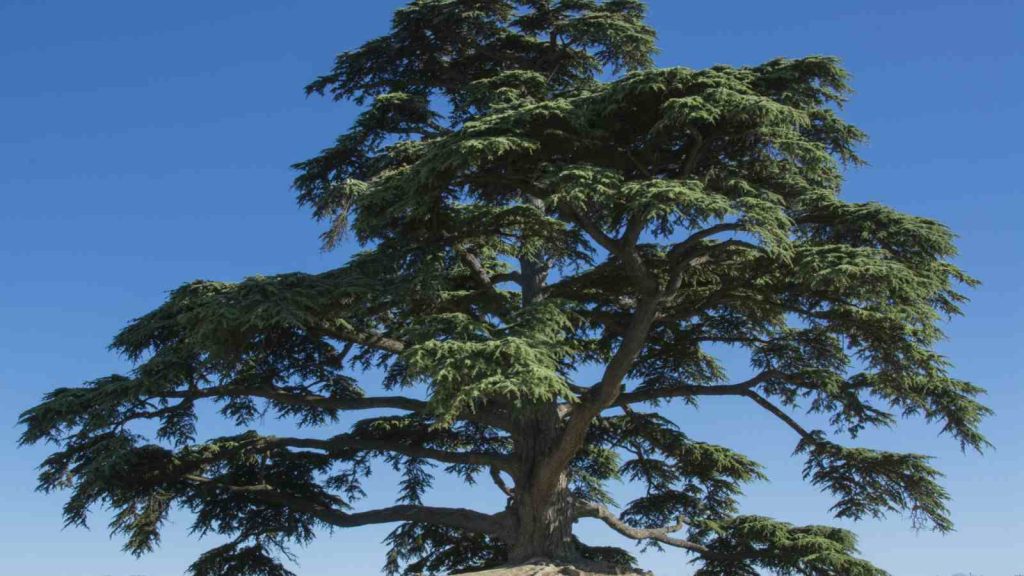
1. Cedar of Lebanon (Cedrus libani)
- Famous historic tree of the Middle East
- Large, spreading canopy and fragrant wood
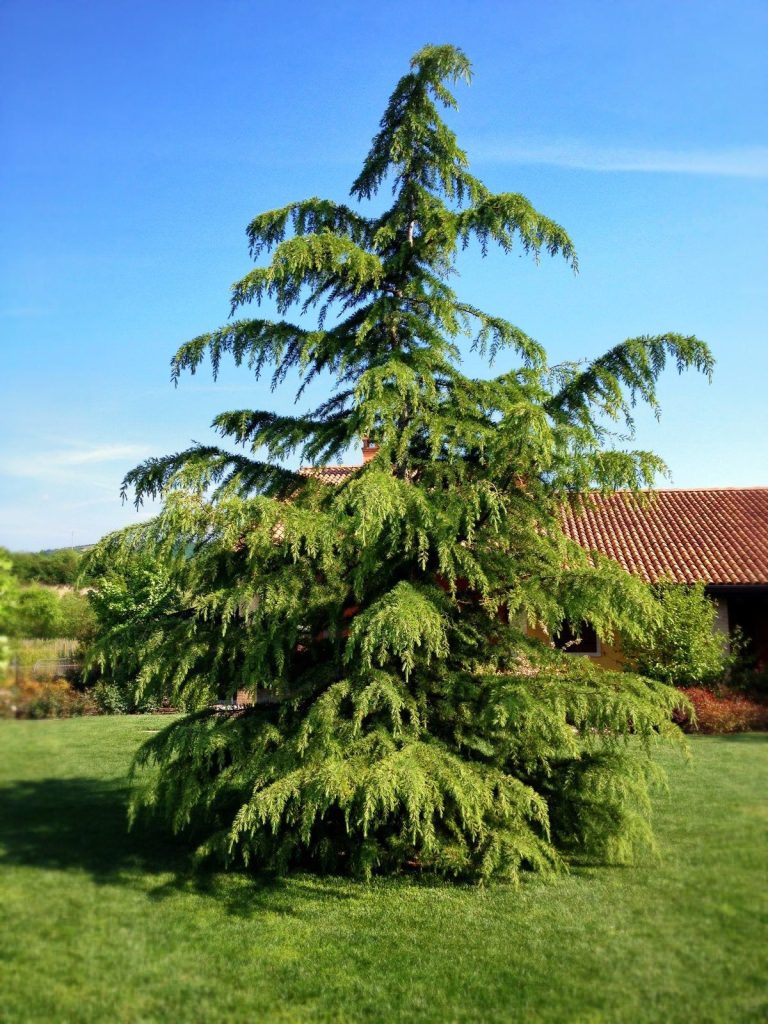
2. Deodar Cedar (Cedrus deodara)
- Native to the Himalayas
- Graceful drooping branches; very popular as an ornamental tree
3. Atlas Cedar (Cedrus atlantica)
- Native to North Africa (Atlas Mountains)
- Bluish-green needles; very cold-tolerant
4. Cyprus Cedar (Cedrus brevifolia)
- Native to Cyprus
- Smaller and rare; resembles the Cedar of Lebanon
Common “False Cedars” (Not true cedars, but widely called cedar)
These belong to different genera but are popularly known as cedar trees because of their fragrance and similar wood.
5. Eastern Red Cedar (Juniperus virginiana)
- A type of juniper
- Known for red aromatic wood used in chests and closets
6. Western Red Cedar (Thuja plicata)
- True Thuja
- Very durable wood; iconic tree of Pacific Northwest
7. Northern White Cedar (Thuja occidentalis)
- Also called arborvitae
- Used for ornamental hedges and fencing
8. Spanish Cedar (Cedrela odorata)
- Belongs to the mahogany family
- Used for cigar boxes and fine furniture
Uses of Cedar Tree
1. Wood and Construction
- Durable wood: Resistant to rot, insects, and moisture, making it ideal for furniture, flooring, and paneling.
- Building material: Used in houses, temples, ships, and barns historically and today.
- Ornamental woodwork: Perfect for doors, carvings, and decorative items due to its fine grain.
2. Essential Oils and Fragrance
- Aromatic oils extracted from the wood and leaves are used in perfumes, incense, and aromatherapy.
- Mosquito and insect repellent: The natural scent of cedar helps repel insects.
3. Landscaping and Ornamental Uses
- Planted in gardens, parks, and avenues for shade, beauty, and privacy.
- Evergreen foliage provides year-round greenery and aesthetic appeal.
4. Traditional and Religious Uses
- Sacred purposes: Used in temples and rituals in various cultures.
- Cultural heritage: Cedar wood historically used in religious artifacts, altars, and ceremonial structures.
5. Medicinal Uses
- Cedar essential oil may be used in traditional medicine for skin conditions, respiratory issues, and stress relief (under proper guidance).
6. Miscellaneous Uses
- Cedar chips or shavings are used in closets, chests, and animal bedding to prevent mold and pests.
- Erosion control and windbreaks: Some cedar species are planted to stabilize soil and protect landscapes.
Benefits of Cedar Tree
1. Medicinal Benefits
- Respiratory health: Cedarwood oil is often used in aromatherapy to relieve congestion, coughs, and bronchitis.
- Anti-inflammatory: Extracts from cedar leaves or bark can reduce inflammation and help with joint pain.
- Antimicrobial properties: Cedar oil has natural antibacterial and antifungal properties, useful for minor wounds and skin infections.
- Calming effect: Cedar oil is used in aromatherapy to reduce stress, anxiety, and insomnia.
2. Environmental Benefits
- Air purification: Cedar trees help in purifying the air by absorbing pollutants and releasing oxygen.
- Erosion control: Their roots stabilize soil, preventing erosion in hilly or sloped areas.
- Wildlife habitat: Cedar trees provide shelter and food for birds, insects, and small mammals.
3. Practical and Household Uses
- Wood quality: Cedar wood is durable, resistant to decay and insects, making it ideal for furniture, flooring, and construction.
- Aromatic wood: Cedar emits a pleasant scent, used in closets, chests, and for making essential oils.
- Pest repellant: Cedarwood naturally repels moths, termites, and other insects.
About the Author