Description of Pansy Flower
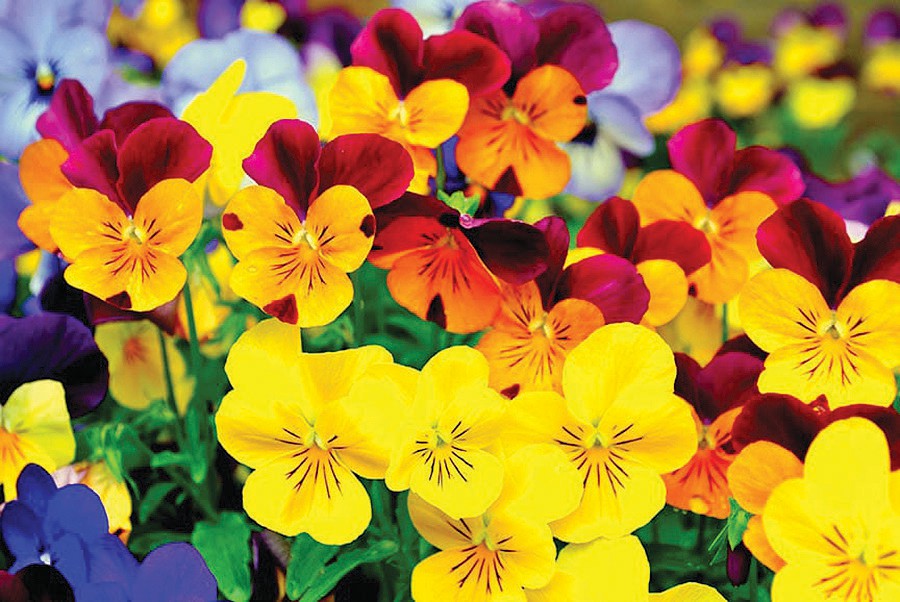
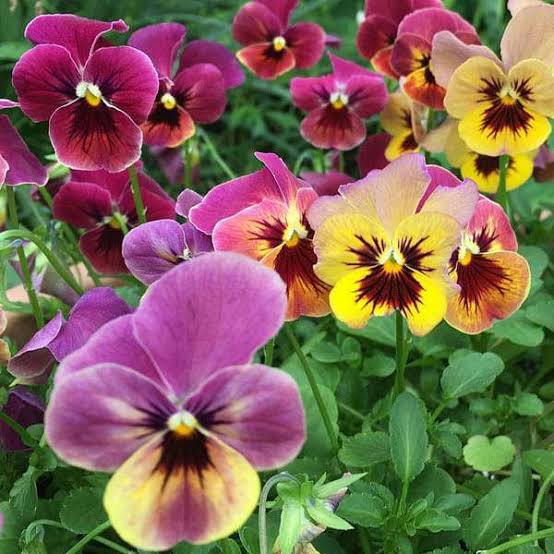
The pansy flower is a charming, cool-season bloom known for its vibrant colors and distinctive “face-like” markings. Typically featuring a combination of deep purples, yellows, blues, whites, and multi-colored patterns, pansies have soft, velvety petals that give them a unique and expressive appearance. They grow close to the ground, forming compact plants with heart-shaped leaves and delicate stems. Loved for their long flowering season and cheerful look, pansies are commonly used in gardens, borders, pots, and hanging baskets, bringing bright color even in colder months.
History of the Pansy Flower
The pansy has a rich and fascinating history that traces back to the early 19th century in Europe. It originated from the wild Viola tricolor, commonly known as heartsease, which grew naturally across meadows in Europe and Asia. Gardeners in England and Scotland began hybridizing this wild violet in the 1800s, creating larger, more colorful blooms. By the 1830s, pansies became extremely popular in Victorian gardens, admired for their expressive “faces” and wide range of colors.
The name “pansy” comes from the French word pensée, meaning “thought,” symbolizing remembrance and loving thoughts. The flower became a cherished emblem in literature, art, and culture, often associated with emotions and sentiments. Over time, breeders developed hundreds of varieties, making pansies one of the most beloved decorative flowers in the world today.
Types of Pansy Flower
1. Large-Flowered Pansies
These have big, showy blooms (up to 3–4 inches wide).
Popular varieties:
- Majestic Giants
- Delta Series
- Swiss Giants
2. Medium-Flowered Pansies
Slightly smaller blooms but very hardy and weather-resistant.
Popular varieties:
- Crown Series
- Universal Series
3. Multiflora Pansies
Produce many smaller flowers with excellent heat and cold tolerance.
Popular varieties:
- Maxim Series
4. Clear-Faced Pansies
Flowers with solid colors and no dark blotches on the petals.
Popular examples:
- Clear Yellow
- Pure White
- Blue Clear
5. Blotched (Face) Pansies
These feature dark, face-like markings in the center of the petals.
Popular examples:
- Bingo Series
- Imperial Series
6. Trailing Pansies
Long, spreading varieties perfect for hanging baskets and containers.
Popular varieties:
- Wave Pansies
- Cool Wave Series
7. Miniature (Viola) Pansies
Smaller blooms, technically violas, but often grouped with pansies.
Popular varieties:
- Johnny Jump-Ups (Viola tricolor)
- Sorbet Series
Uses of Pansy Flower
1. Ornamental Use
Pansies are widely grown for decorative purposes. Their bright colors and unique “faces” make them ideal for:
- Garden beds
- Borders
- Pots and containers
- Hanging baskets
- Window boxes
2. Landscaping
Because pansies tolerate cool weather, they are commonly used in seasonal landscaping, especially in early spring and autumn to add vibrant color when few other flowers bloom.
3. Edible Uses
Pansy flowers are edible and often used to enhance:
- Salads
- Desserts
- Cakes and pastries
- Drinks and mocktails
They add a light, fresh, slightly sweet flavor and are valued for their visual appeal.
4. Herbal and Traditional Remedies
Historically, pansies (especially Viola tricolor) have been used in folk medicine for:
- Skin conditions (eczema, acne)
- Respiratory issues
- Anti-inflammatory purposes
They are often used in herbal teas, ointments, and natural skincare.
5. Symbolic and Cultural Use
Pansies symbolize thoughtfulness, remembrance, and love. They are often used in:
- Bouquets
- Floral arrangements
- Gifts expressing sympathy or affection
6. Craft and Decoration
Dried pansy petals are used in:
- Pressed flower art
- Handmade greeting cards
- Resin jewelry
- Decoration for home crafts
Benefits of Pansy Flower
1. Skin Health
Pansies—especially Viola tricolor—are known for their anti-inflammatory and soothing properties. They may help with:
- Acne
- Eczema
- Skin irritation
- Minor rashes
They are often used in herbal skincare, creams, and soothing teas.
2. Rich in Antioxidants
Pansy flowers contain natural antioxidants that help protect the body from oxidative stress and support overall wellness.
3. Respiratory Support
Traditionally, pansy extracts and teas have been used to relieve symptoms of mild respiratory issues such as:
- Cough
- Bronchitis
- Congestion
4. Anti-inflammatory Properties
Its natural compounds help reduce inflammation, making it beneficial for mild joint or skin inflammation when used in herbal remedies.
5. Digestive Aid
Mild pansy tea may help soothe the digestive system and support gentle detoxification.
6. Emotional and Symbolic Benefits
Because pansies represent remembrance, thoughtfulness, and love, they are often used in gifts and gardens to uplift mood and promote emotional well-being.
7. Edible and Nutritional Use
Pansy flowers are edible and contain small amounts of:
- Vitamins (A & C)
- Minerals
- Phytonutrients
They add beauty and light flavor to salads, desserts, and drinks.
8. Garden Benefits
Pansies attract pollinators like bees and butterflies, helping create a healthy garden ecosystem.
About the Author