Description of Bellflower
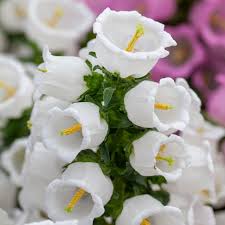
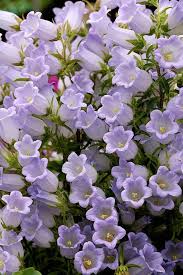
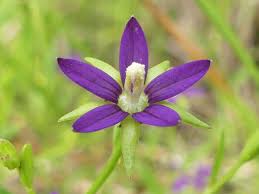
Bellflower, scientifically known as Campanula, is a charming flowering plant admired for its bell-shaped blossoms. The flowers usually bloom in shades of blue, purple, pink, or white, giving the plant its common name. Bellflowers grow as annuals, biennials, or perennials and are found in meadows, woodlands, and gardens across Europe, Asia, and North America.
The plant has slender stems and soft green leaves, with flowers that may appear singly or in clusters. Bellflowers are easy to grow and are valued for their long blooming season, often flowering from late spring to summer. Because of their gentle beauty and adaptability, bellflowers are popular in gardens, borders, rock gardens, and containers. They also symbolize humility, gratitude, and everlasting love in many cultures.
History of Bellflower
The bellflower, botanically known as Campanula, has a long and rich history rooted in Europe and parts of Asia. Its name comes from the Latin word “campana,” meaning bell, which refers to the plant’s distinctive bell-shaped flowers. Bellflowers have grown naturally in meadows, mountains, and woodlands for thousands of years, especially in the Mediterranean region and the Alps.
In ancient times, bellflowers were admired for their simple beauty and were often associated with humility and gratitude. During the Middle Ages, they became popular in monastery and cottage gardens, where they were valued for their hardiness and long flowering season. Some species were also used in traditional folk remedies, though mainly the plant was grown for ornamental purposes.
Types of Bellflower
There are many types of bellflower (Campanula), with over 300 species found worldwide. Here are some of the most common and popular types:
🌸 Common Types of Bellflower
- Canterbury Bells (Campanula medium)
A biennial plant with large, showy bell-shaped flowers. Commonly grown in gardens and used as ornamental flowers. - Carpathian Bellflower (Campanula carpatica)
A low-growing perennial with blue or white flowers, ideal for rock gardens and borders. - Creeping Bellflower (Campanula rapunculoides)
A fast-spreading perennial with purple-blue flowers, often found in wild or naturalized areas. - Clustered Bellflower (Campanula glomerata)
Known for its dense clusters of deep purple flowers and upright growth. - Peach-leaved Bellflower (Campanula persicifolia)
Features narrow, peach-like leaves and elegant blue or white flowers on tall stems. - Serbian Bellflower (Campanula poscharskyana)
A trailing or spreading type with star-shaped blue flowers, perfect for hanging baskets and ground cover. - Dalmatian Bellflower (Campanula portenschlagiana)
A compact, mat-forming perennial with violet-blue flowers, often used in rock gardens. - Harebell (Campanula rotundifolia)
A delicate wild bellflower with thin stems and nodding blue flowers, commonly found in meadows.
These types vary in size, color, and growth habit, making bellflowers suitable for gardens, landscapes, and wildflower settings alike.
Uses of Bellflower
- Ornamental Gardening
Bellflowers are widely grown in gardens for their attractive bell-shaped blooms. They are used in flower beds, borders, rock gardens, hanging baskets, and ground cover. - Landscape Decoration
Low-growing varieties help cover soil and prevent erosion, while taller types add height and color to landscapes and cottage-style gardens. - Cut Flowers
Some bellflower species are used as cut flowers in floral arrangements because of their delicate beauty and long-lasting blooms. - Attracting Pollinators
Bellflowers attract bees, butterflies, and other beneficial insects, supporting pollination and garden biodiversity. - Symbolic and Cultural Use
In many cultures, bellflowers symbolize humility, gratitude, and everlasting love. They are sometimes included in bouquets and floral designs for special occasions.
Benefits of Bellflower
- Enhances Garden Beauty
Bellflowers add charm and elegance to gardens with their delicate bell-shaped blooms and soft colors like blue, purple, pink, and white. - Attracts Pollinators
The flowers attract bees, butterflies, and other beneficial insects, helping improve pollination in gardens and nearby plants. - Low Maintenance Plant
Many bellflower varieties are easy to grow, hardy, and require minimal care, making them suitable for beginners. - Long Blooming Period
Bellflowers often bloom from late spring through summer, providing long-lasting color in gardens. - Improves Biodiversity
When grown in natural or wildflower gardens, bellflowers support local ecosystems and contribute to environmental balance.
About the Author