Description of Hibiscus
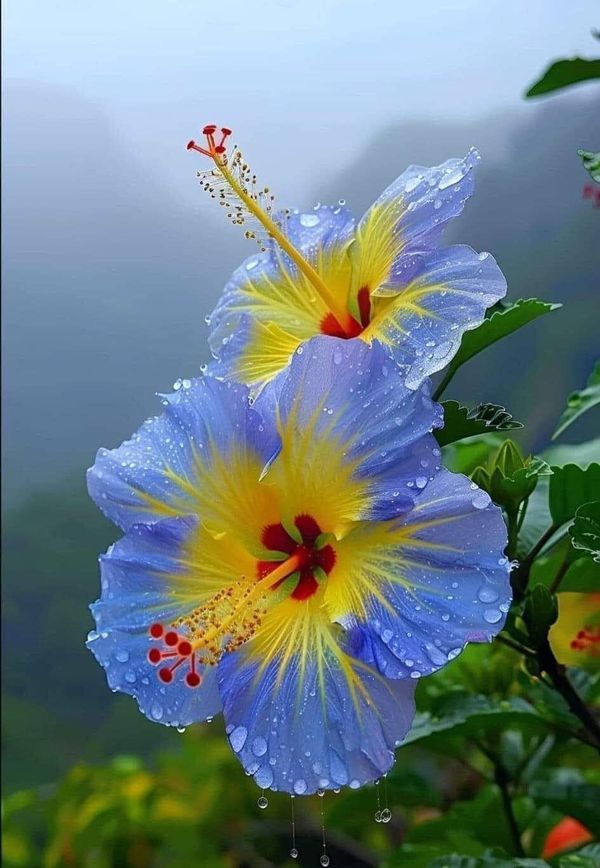
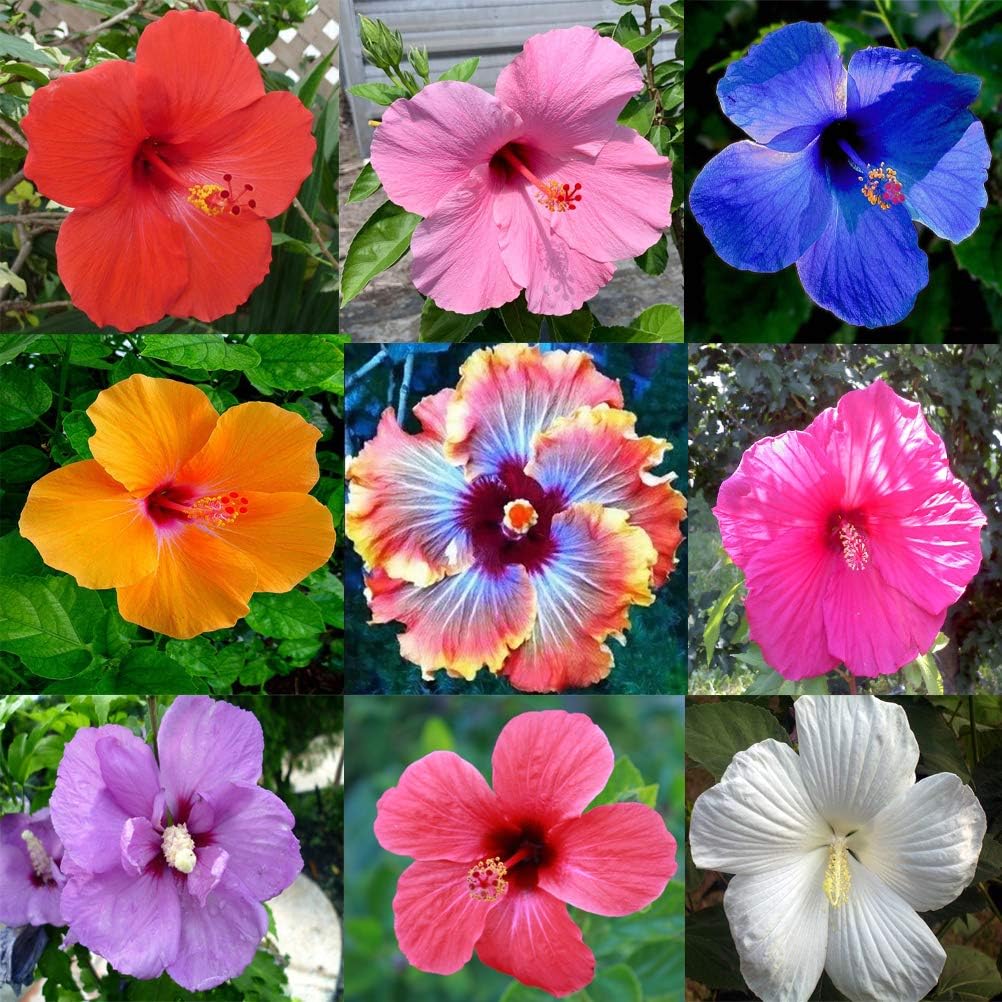
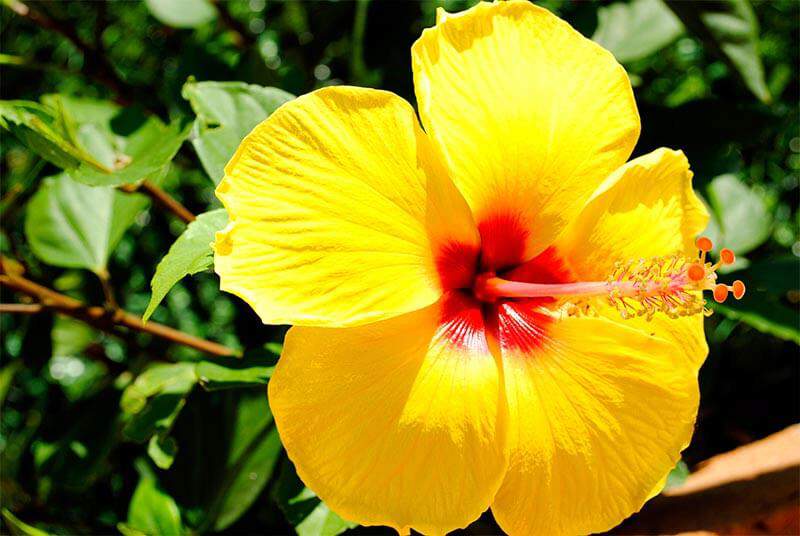
Hibiscus is a beautiful flowering plant known for its large, colorful blossoms and wide variety of species. It belongs to the Malvaceae family and is commonly found in tropical and subtropical regions around the world. Hibiscus flowers are usually red, pink, yellow, white, or orange, with soft petals and a prominent central staminal column that gives the flower its distinctive appearance.
The plant can grow as a shrub or small tree and is often used as an ornamental plant in gardens, parks, and along roadsides. Beyond its visual beauty, hibiscus is also valued for its medicinal and culinary uses. The flowers, leaves, and calyces are used to make herbal teas, traditional remedies, and natural dyes. Hibiscus tea is especially popular for its refreshing taste and health benefits.
Culturally, hibiscus holds symbolic importance in many regions, representing beauty, love, and vitality. Due to its attractive appearance and beneficial properties, hibiscus is widely admired both as a decorative flower and as a useful medicinal plant.
History of Hibiscus
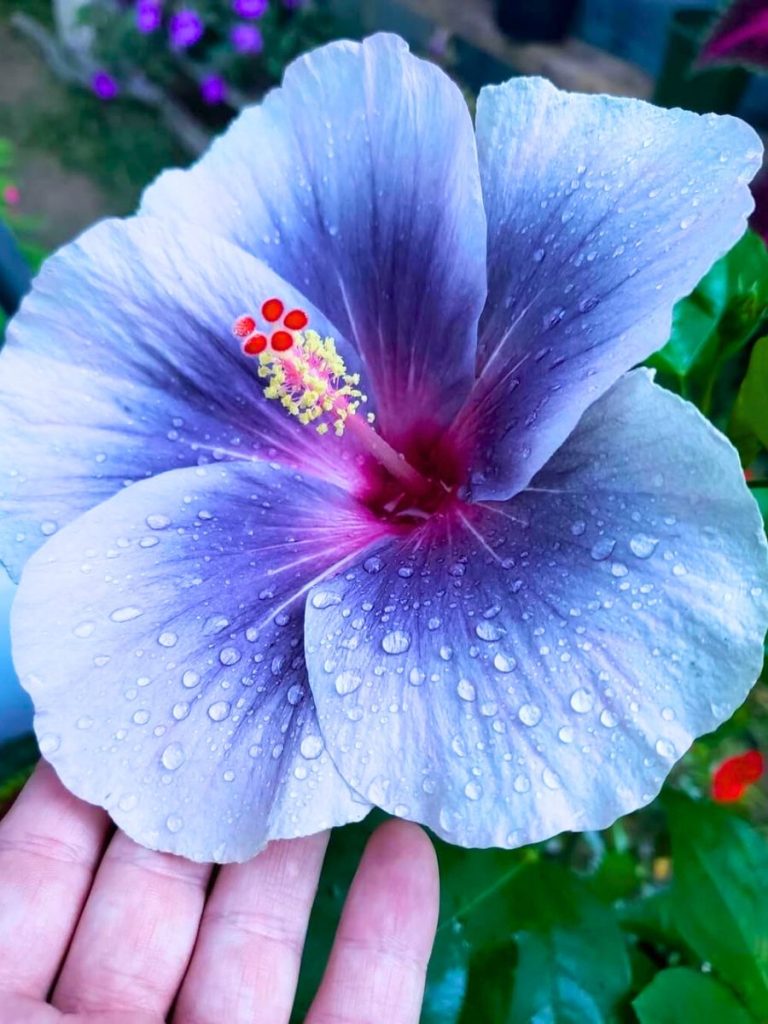
The history of hibiscus dates back thousands of years and is closely linked with ancient cultures, traditional medicine, and ornamental gardening. Hibiscus is believed to have originated in Asia and the Pacific Islands, where it grew naturally in warm, tropical climates. From there, it gradually spread to Africa, the Middle East, and the Americas through trade routes and human migration.
In ancient Egypt, hibiscus flowers were used to prepare cooling drinks and herbal remedies. The plant was valued for its refreshing and medicinal qualities, especially in hot climates. In traditional Chinese and Indian medicine, hibiscus played an important role in treating various ailments, including hair problems, digestive issues, and heart health. In Ayurveda, hibiscus is still widely used for its therapeutic properties.
During the medieval period, hibiscus was introduced to Europe by traders and travelers. European botanists studied the plant for its ornamental beauty, and it soon became popular in botanical gardens. By the 18th and 19th centuries, hibiscus cultivation expanded worldwide, especially in tropical colonies, where it became a common garden and landscape plant.
Types of Hibiscus
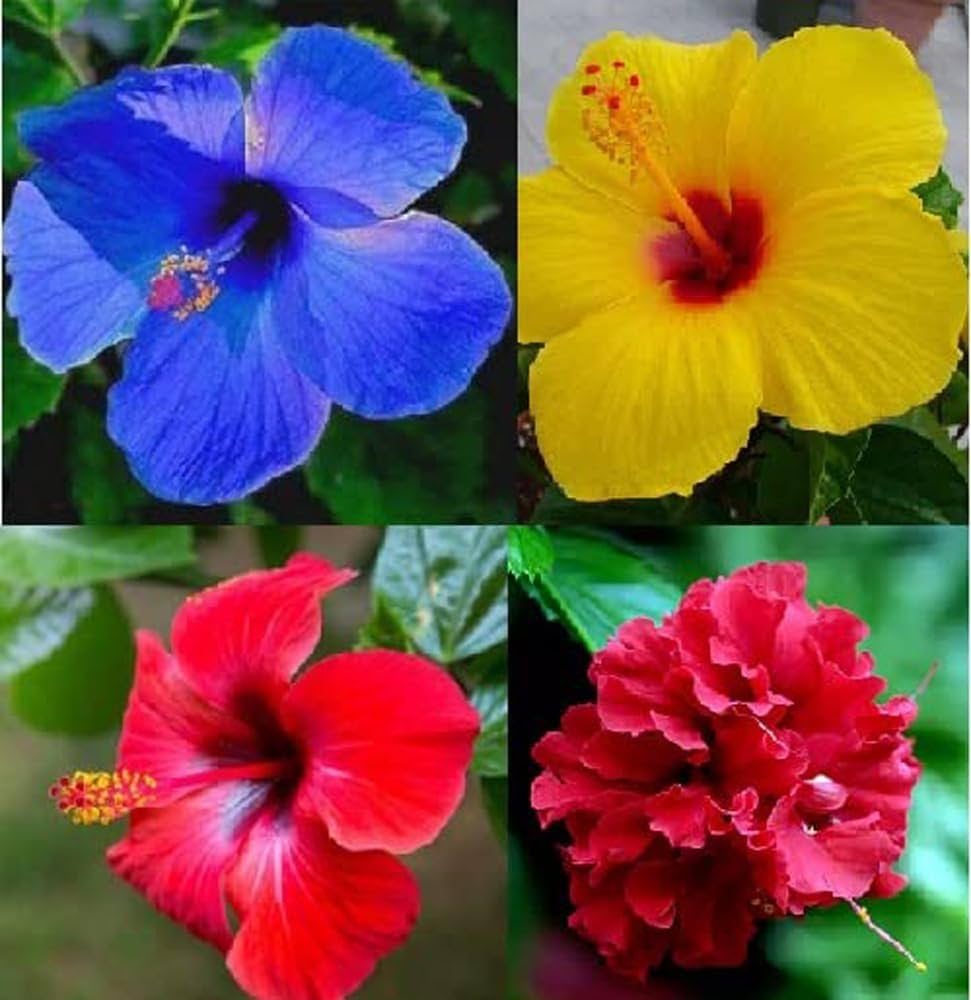
There are many types of hibiscus, grown for ornamental, medicinal, and culinary purposes. Some of the most common and important types are listed below:
🌺 Common Types of Hibiscus
- Hibiscus rosa-sinensis
Also called Chinese hibiscus. It is the most popular ornamental type, known for its large, bright red, pink, yellow, or orange flowers. Widely grown in gardens and parks. - Hibiscus sabdariffa
Commonly known as Roselle. This type is used to make hibiscus tea and herbal drinks. It is valued for its medicinal benefits and deep red calyces. - Hibiscus syriacus
Known as Rose of Sharon. A hardy hibiscus grown as a shrub, producing flowers in white, pink, purple, or blue shades. - Hibiscus mutabilis
Called the Confederate rose. Its flowers change color from white to pink and red as they age. - Hibiscus cannabinus
Known as Kenaf. Grown mainly for its fiber, which is used to make ropes, paper, and textiles. - Hibiscus moscheutos
Also known as Hardy hibiscus or Swamp rose mallow. It has very large flowers and can survive in cooler climates. - Hibiscus tiliaceus
Called Sea hibiscus. Found in coastal areas and used for shade, wood, and traditional medicine. - Hibiscus schizopetalus
Known as the Japanese lantern. It has uniquely fringed and hanging flowers, making it very decorative.
Uses of Hibiscus
1. Medicinal Uses
- Used in traditional medicine to help lower blood pressure
- Helps improve digestion and relieve constipation
- Supports heart health and cholesterol control
- Used to reduce fever and inflammation
- Acts as a natural antioxidant
2. Culinary Uses
- Flowers and calyces are used to make hibiscus tea and herbal drinks
- Used in jams, syrups, sauces, and candies
- Added as a natural food color and flavoring agent
3. Hair Care Uses
- Promotes hair growth and reduces hair fall
- Helps prevent dandruff and premature greying
- Used in natural hair oils, shampoos, and masks
4. Skin Care Uses
- Used in face packs to improve skin elasticity
- Helps reduce wrinkles and signs of aging
- Provides natural moisturizing and cleansing benefits
5. Ornamental Uses
- Grown in gardens, parks, and homes for decoration
- Used as hedges and landscape plants due to colorful flowers
6. Cultural and Religious Uses
- Used in religious offerings and ceremonies in many cultures
- Symbolizes beauty, love, and respect
About the Author