Description of Phlox
Phlox is a charming flowering plant known for its clusters of bright, star-shaped blooms and gentle fragrance. It belongs to the Polemoniaceae family and is widely grown in gardens for its long-lasting flowers and easy care.
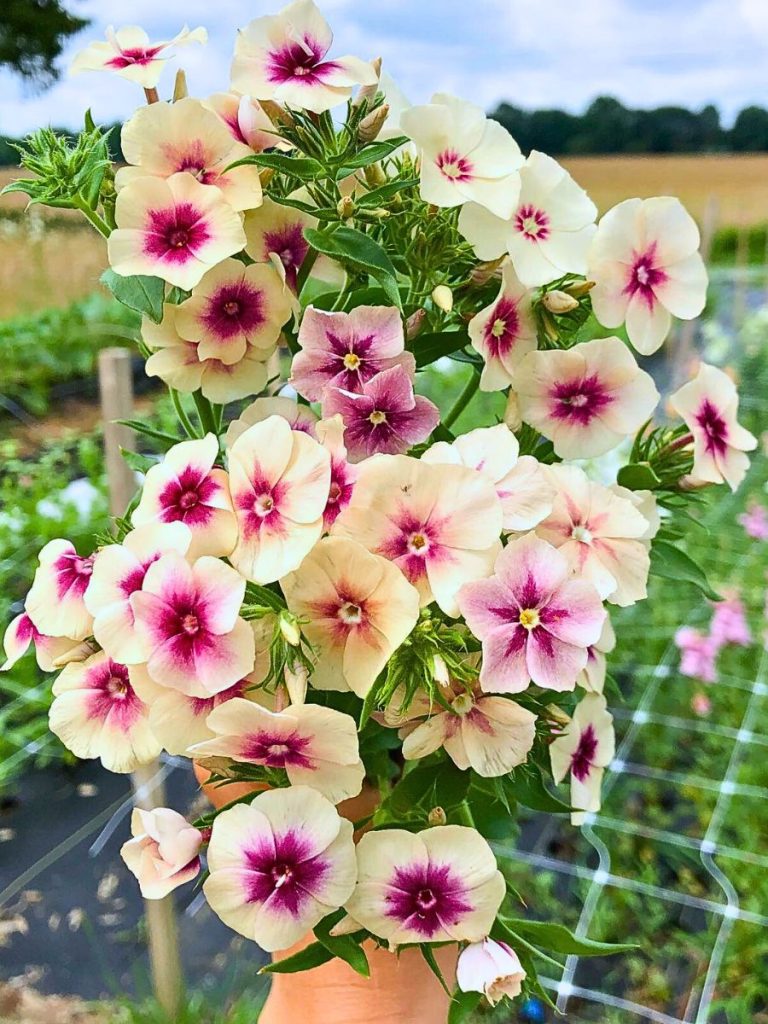
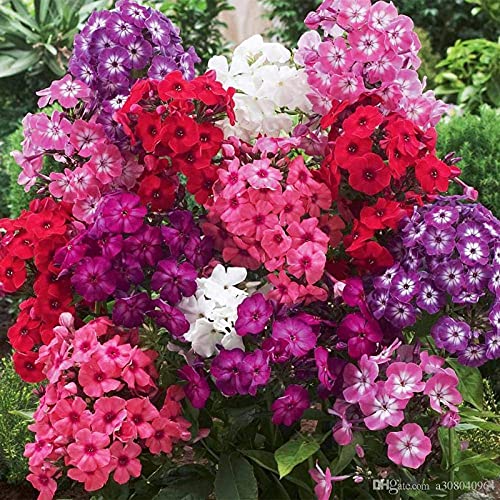
Phlox plants can be annual or perennial and vary in height, from low-growing creeping varieties that spread like a colorful carpet to tall, upright types that add height and beauty to flower beds. The flowers appear in shades of pink, purple, white, red, blue, and lavender, often with contrasting centers.
Phlox blooms mainly from spring to late summer, attracting butterflies, bees, and other pollinators. It thrives in well-drained soil and prefers sunny to partially shaded locations. Because of its vibrant colors, pleasant scent, and versatility, phlox is a popular choice for borders, rock gardens, containers, and landscape designs.
History of Phlox
The history of phlox is closely linked to North America, where most species of this beautiful flowering plant naturally originated. The name “phlox” comes from the Greek word phlox, meaning “flame,” referring to the plant’s bright, fiery colors.
Phlox was first discovered growing wild in woodlands, meadows, and rocky slopes of the United States and parts of Canada. Indigenous peoples appreciated native phlox species for their natural beauty and sometimes used them in traditional practices.
In the 18th century, European botanists and plant collectors encountered phlox during explorations of North America. Seeds were taken to Europe, where the plant quickly gained popularity in ornamental gardens due to its vibrant colors, pleasant fragrance, and ease of cultivation.
By the 19th century, plant breeders began developing improved varieties, especially of garden phlox (Phlox paniculata), creating plants with larger flowers, stronger stems, and a wider range of colors. These cultivated varieties became a favorite in cottage gardens and formal landscapes across Europe and later worldwide.
Types of Phlox
Here are the main types of Phlox, commonly grown in gardens and landscapes:
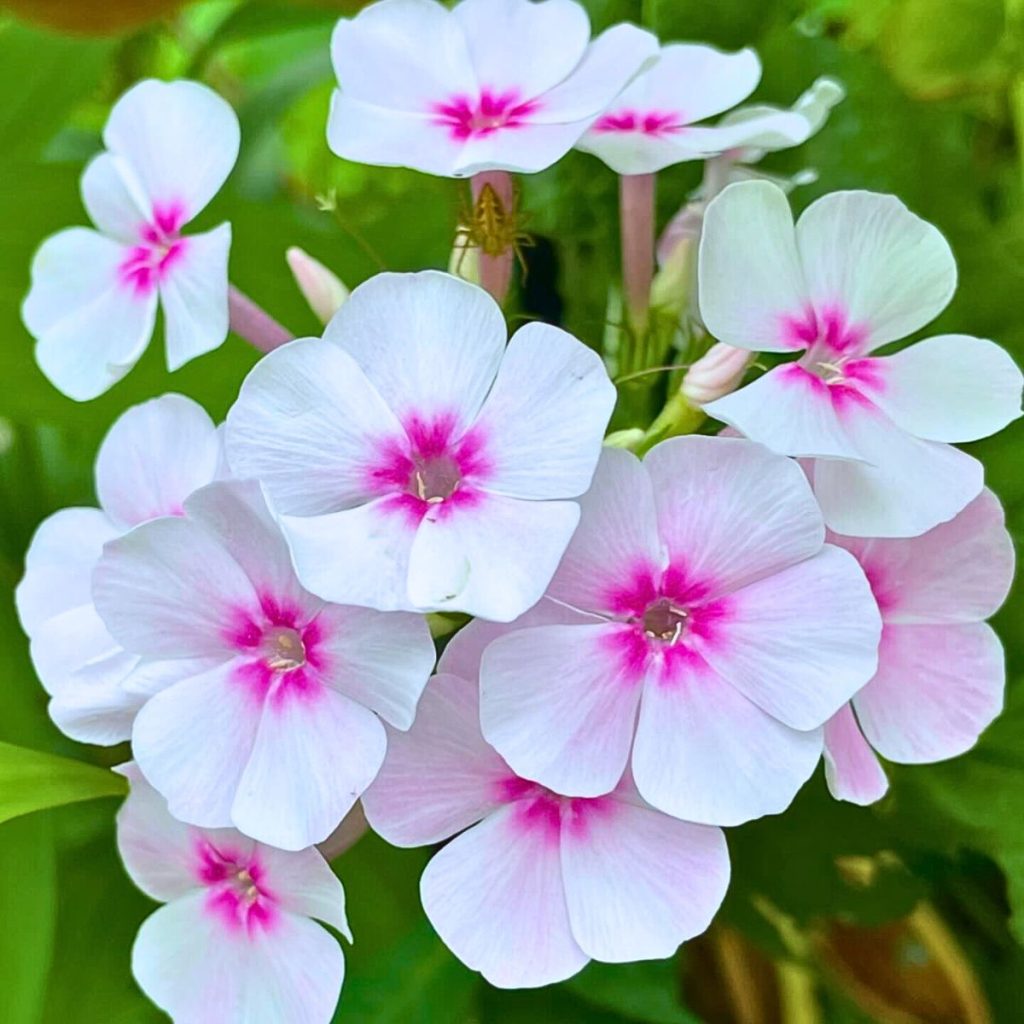
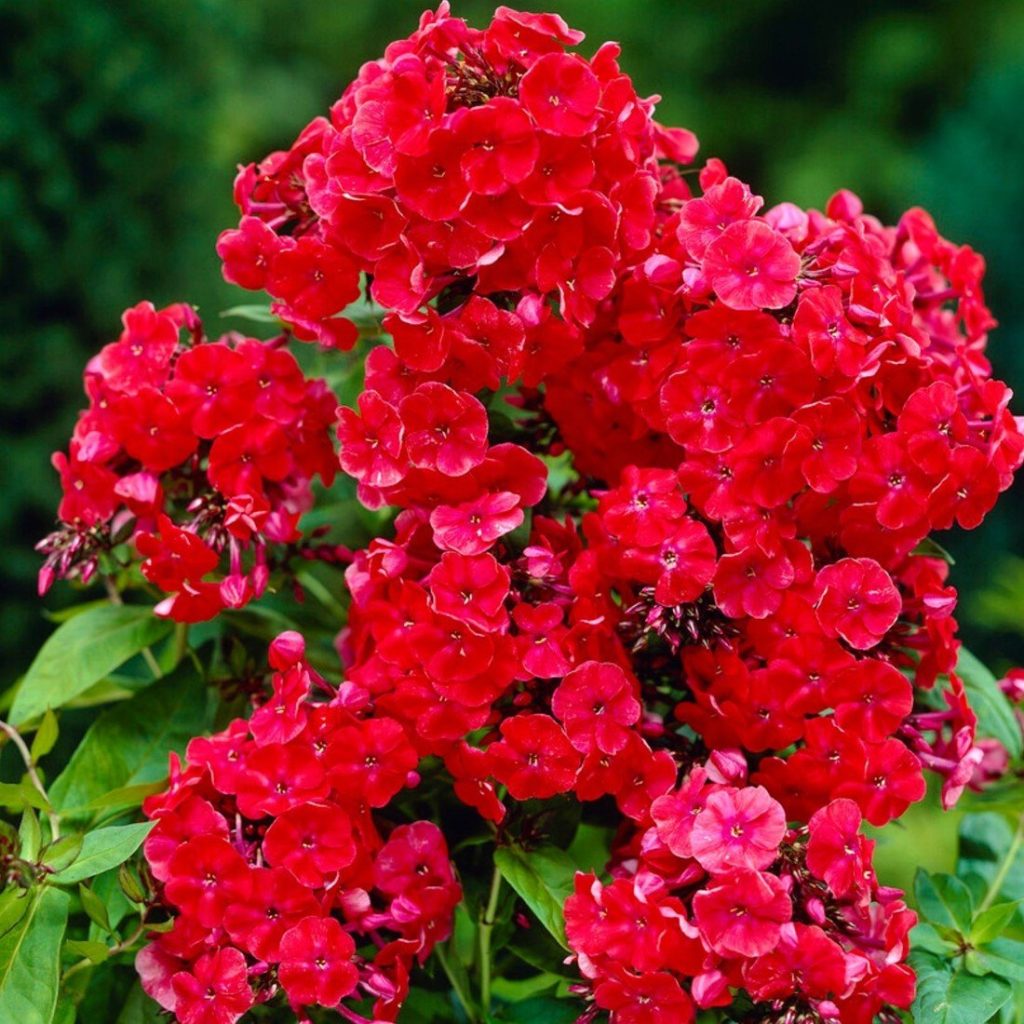
1. Garden Phlox (Phlox paniculata)
- Tall, upright perennial
- Large clusters of fragrant flowers
- Blooms in summer
- Common colors: pink, purple, white, red
- Popular for flower beds and borders
2. Creeping Phlox (Phlox subulata)
- Low-growing, spreading perennial
- Forms a colorful carpet of flowers
- Blooms in early spring
- Ideal for rock gardens, slopes, and ground cover
3. Woodland Phlox (Phlox divaricata)
- Medium-height perennial
- Soft, fragrant flowers
- Blooms in spring
- Thrives in partial shade and woodland gardens
4. Annual Phlox (Phlox drummondii)
- Grown as an annual plant
- Bright, colorful flowers
- Blooms from spring to summer
- Common in containers and garden borders
5. Moss Phlox (Phlox stolonifera)
- Spreading perennial with creeping stems
- Blooms in spring
- Suitable for shaded or semi-shaded areas
Uses of Phlox
Phlox is valued for its ornamental beauty and practical uses in gardens and landscapes. Some main uses of phlox include:
1. Ornamental Gardening
Phlox is widely grown for its bright, attractive flowers and pleasant fragrance. It enhances flower beds, borders, and mixed gardens with long-lasting color.
2. Ground Cover
Low-growing varieties like creeping phlox are commonly used as ground cover. They help cover bare soil, reduce weed growth, and add seasonal color to slopes and rock gardens.
3. Landscaping and Decoration
Tall phlox varieties are used in landscaping designs to add height and structure. They are often planted along pathways, fences, and garden edges.
4. Container Gardening
Annual and dwarf phlox varieties grow well in pots and containers, making them suitable for balconies, patios, and small gardens.
5. Pollinator Attraction
Phlox flowers attract butterflies, bees, and hummingbirds, helping support pollination and biodiversity in gardens.
Benefits of Phlox
Here are the main benefits of phlox, especially for gardens and the environment:
1. Enhances Garden Beauty
Phlox produces bright, colorful flowers that add charm and visual appeal to gardens, parks, and landscapes.
2. Attracts Pollinators
Phlox flowers attract butterflies, bees, and hummingbirds, helping support pollination and biodiversity.
3. Long Blooming Season
Many phlox varieties bloom over a long period, providing continuous color from spring to summer.
4. Easy to Grow and Maintain
Phlox is generally low-maintenance and adapts well to different soil and climate conditions.
5. Versatile Garden Use
Different types of phlox can be used as ground cover, border plants, container plants, or background plants in landscaping.
About the Author