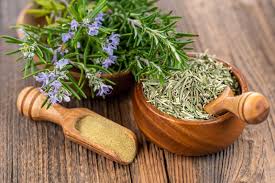
Rosemary is a fragrant, evergreen herb known for its needle-like leaves and refreshing, pine-like aroma. Belonging to the mint family, it is native to the Mediterranean region and has been valued for centuries for its culinary, medicinal, and aromatic qualities. The plant produces small blue or purple flowers and grows as a hardy shrub that thrives in warm, sunny climates.
Its strong, distinctive scent and flavor make rosemary a popular ingredient in cooking, especially in roasted dishes, breads, and herbal teas. Rich in antioxidants, essential oils, and nutrients, rosemary is also widely used in natural remedies, skincare, and hair care. Whether used fresh, dried, or as an essential oil, rosemary is celebrated for its ability to boost memory, improve digestion, and enhance overall well-being.
History of Rosemary:
Rosemary (Rosmarinus officinalis) is a fragrant herb native to the Mediterranean. It has been used for thousands of years for cooking, medicine, and rituals. Ancient Egyptians used it in embalming, Greeks believed it improved memory, and Romans valued it for health and ceremonial purposes. In medieval Europe, rosemary symbolized remembrance and fidelity, often used in weddings and herbal remedies. Today, it remains popular for its culinary, medicinal, and aromatic uses.
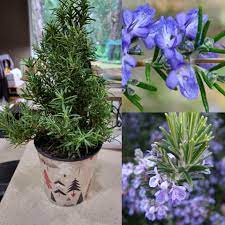
Types of Rosemary:
1. Upright Rosemary
- Example: ‘Tuscan Blue’
- Grows tall and straight, often reaching 4–5 feet.
- Ideal for hedges, windbreaks, and culinary use.
2. Creeping or Prostrate Rosemary
- Example: ‘Prostratus’ or ‘Trailblazer’
- Low-growing, spreading variety that trails along the ground.
- Great for ground cover, rock gardens, and hanging baskets.
3. Blue Flowering Rosemary
- Example: ‘Blue Rain’
- Known for striking blue flowers.
- Ornamental as well as culinary use.
4. Arp Rosemary
- Cold-hardy variety, tolerates frost better than most.
- Upright growth, often used in colder climates.
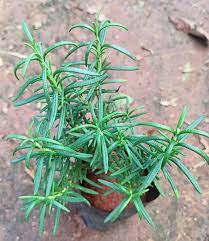
5. Salem Rosemary
- Compact, bushy type with dark green foliage.
- Often grown for ornamental purposes in gardens and pots.
6. Golden Rosemary
- Unique for its yellowish-green leaves.
- Adds decorative color contrast in gardens.
Uses of Rosemary:
1. Culinary Uses
- Adds flavor to meats, poultry, fish, and roasted vegetables.
- Used in soups, sauces, bread, and marinades.
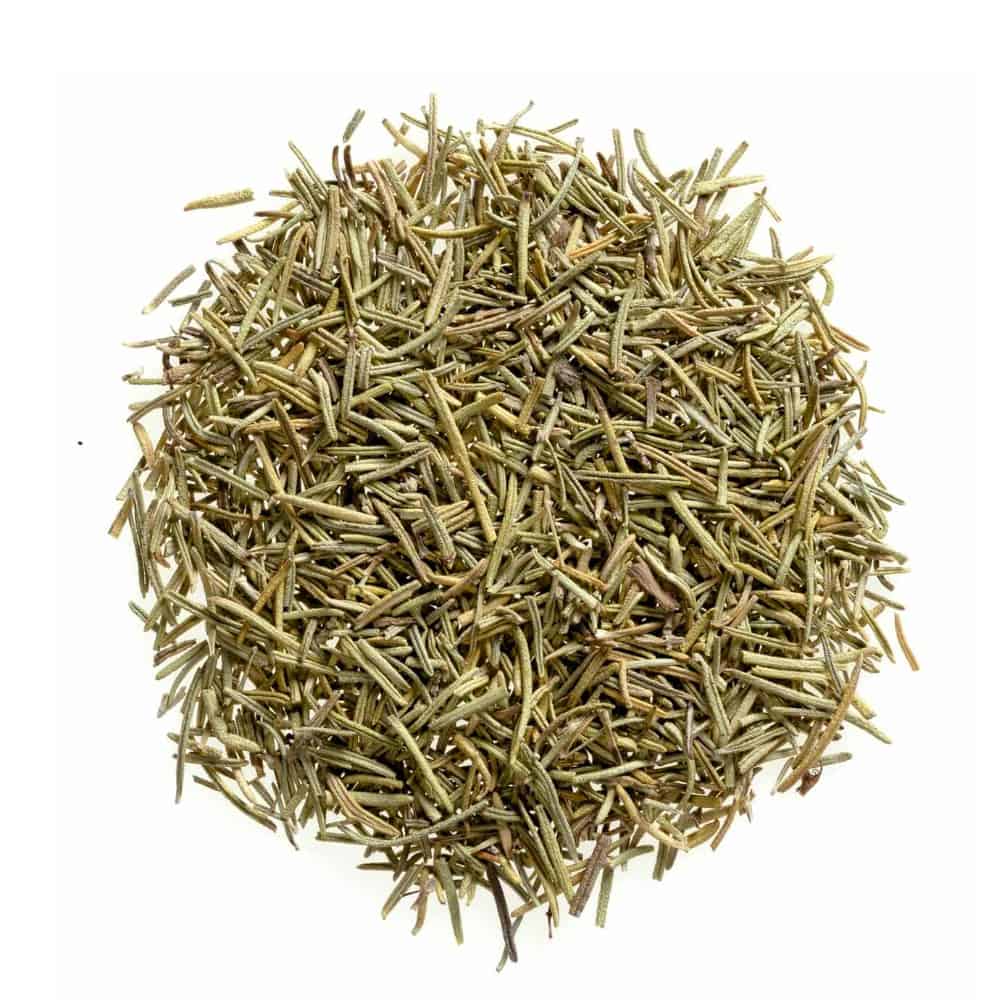
- Fresh or dried leaves, as well as rosemary oil, are commonly used.
2. Medicinal Uses
- Memory & Brain Health: Traditionally believed to improve memory and concentration.
- Digestive Aid: Can relieve indigestion, bloating, and stomach cramps.
- Anti-inflammatory & Antioxidant: Contains compounds that may help reduce inflammation and protect cells from damage.
3. Aromatherapy & Essential Oils
- Rosemary oil is used in aromatherapy to reduce stress, improve mood, and boost mental clarity.
- Often included in shampoos and hair treatments to promote scalp health and hair growth.
4. Cosmetic & Skincare Uses
- Used in lotions, soaps, and creams for its antiseptic and soothing properties.
- Helps treat minor skin irritations and can improve complexion.
5. Household & Decorative Uses
- Fresh rosemary sprigs can act as a natural air freshener.
- Often grown in gardens as an ornamental plant due to its pleasant fragrance and evergreen leaves.
Benefits of Rosemary:
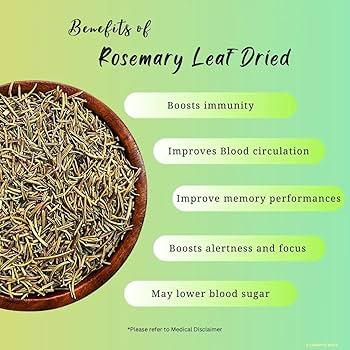
1. Boosts Memory and Concentration
- Rosemary has been traditionally associated with improving memory and cognitive performance.
- Aromatherapy with rosemary essential oil may enhance focus and mental clarity.
2. Supports Digestive Health
- Helps relieve indigestion, bloating, and stomach cramps.
- Stimulates appetite and improves overall digestion.
3. Anti-inflammatory and Antioxidant Properties
- Contains compounds like rosmarinic acid and carnosic acid that combat inflammation and oxidative stress.
- May help protect the body from chronic diseases.
4. Hair and Scalp Health
- Rosemary oil can strengthen hair, promote growth, and prevent dandruff.
- Often used in natural shampoos and scalp treatments.
5. Immune System Support
- Its antibacterial and antiviral properties may help strengthen the immune system.
6. Pain Relief
- Traditionally used to relieve muscle pain, joint pain, and headaches.
7. Mood and Stress Relief
- Aromatherapy with rosemary can help reduce stress, anxiety, and fatigue.
About the Author