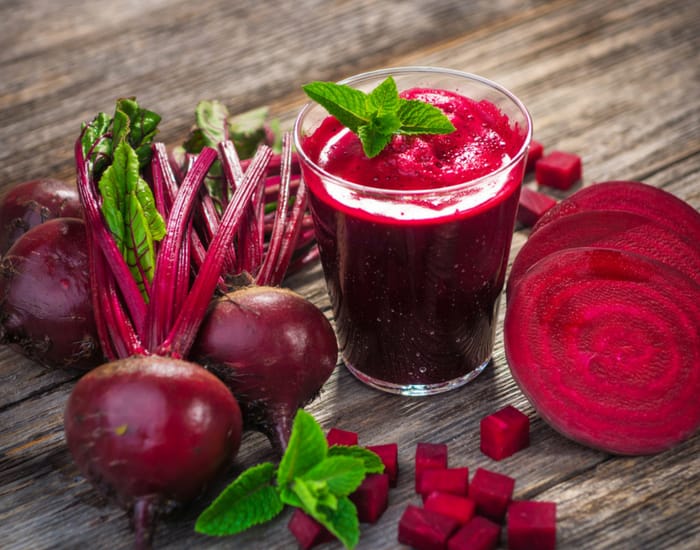
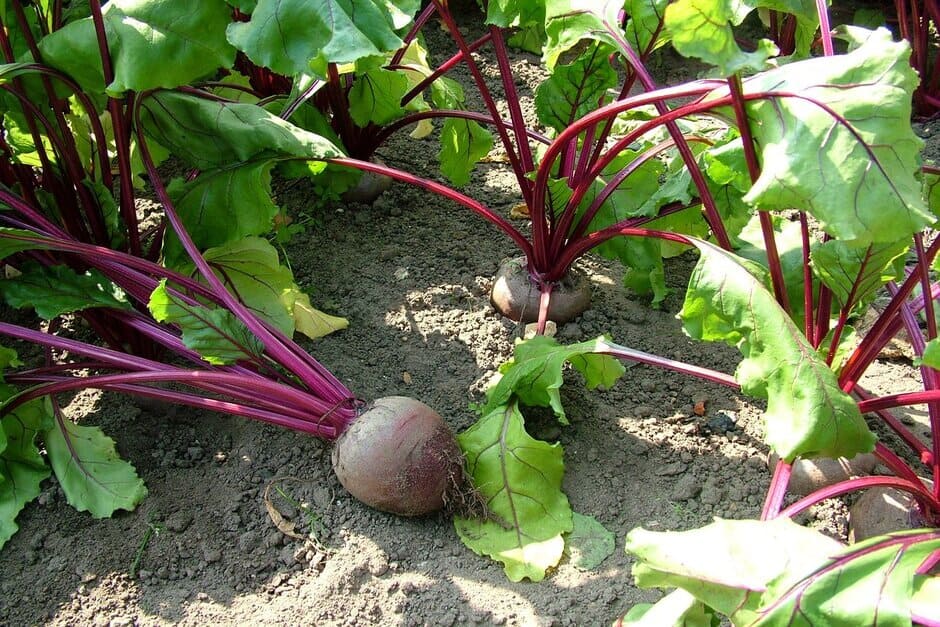
Beetroot is a vibrant, deep-red root vegetable known for its earthy flavor and rich nutritional value. It grows underground and has a round or oval shape with smooth skin and firm flesh. The plant’s leafy green tops are also edible and packed with nutrients. Beetroot is celebrated for its high content of vitamins, minerals, antioxidants, and natural nitrates, which support heart health, improve blood circulation, and boost energy levels. Whether eaten raw, cooked, juiced, or pickled, beetroot adds color, flavor, and nourishment to a wide variety of dishes.
History of Beetroot:
Beetroot has a long and rich history that dates back thousands of years. Its origins can be traced to the Mediterranean region and parts of North Africa, where ancient civilizations first cultivated it. Early beets were quite different from the modern root vegetable we eat today—people originally grew beets mainly for their leafy greens, while the roots were smaller and less commonly used.
The ancient Greeks and Romans valued beets for their medicinal properties. Romans used beetroot to treat various ailments and even considered it an important part of their diet. By the Middle Ages, beetroot spread throughout Europe and became a common crop due to its hardiness and ability to grow in different climates.
In the 18th and 19th centuries, beetroot gained major importance when it was discovered that beets could be used to produce sugar. This led to the widespread cultivation of sugar beet, changing agriculture and the sugar industry, especially in Europe.
Over time, different varieties of beetroot were developed, including the deep-red, globe-shaped beet that is popular today. Beetroot is now grown worldwide and is appreciated not only as a nutritious food but also as a natural coloring agent and a key ingredient in traditional dishes across many cultures.
Types of Beetroot:
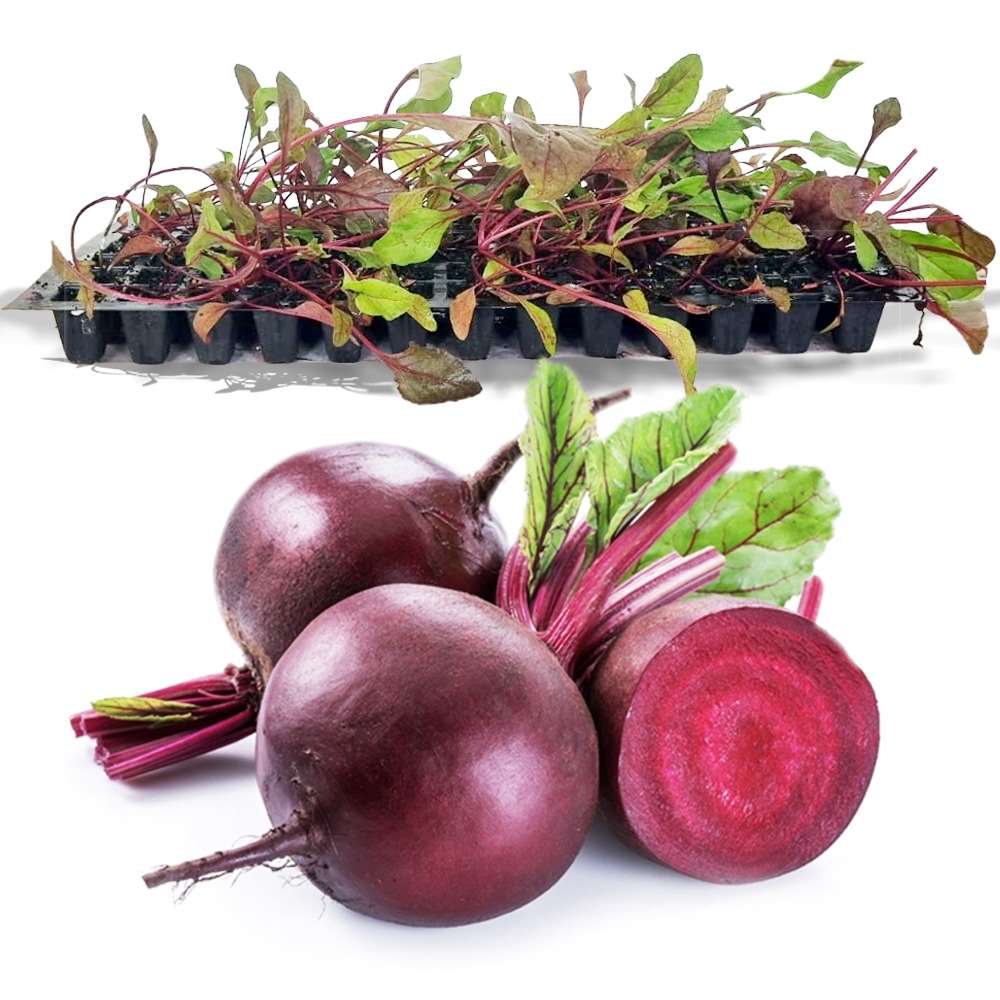
1. Red Beetroot
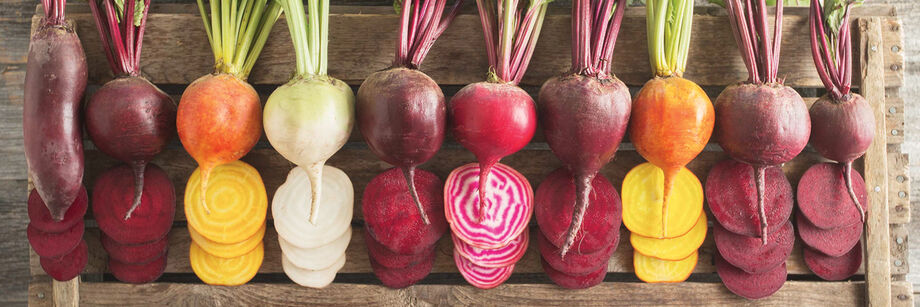
The most common variety with deep red or purple flesh. It has a sweet, earthy flavor and is widely used in salads, juices, and cooking.
2. Golden Beetroot
Bright yellow or golden in color, with a milder and slightly sweeter taste than red beets. It doesn’t bleed color, making it great for clean, colorful dishes.
3. Chioggia Beetroot (Candy Stripe Beet)
Known for its beautiful pink-and-white concentric rings. It has a mild, sweet flavor and is often used raw to showcase its unique pattern.
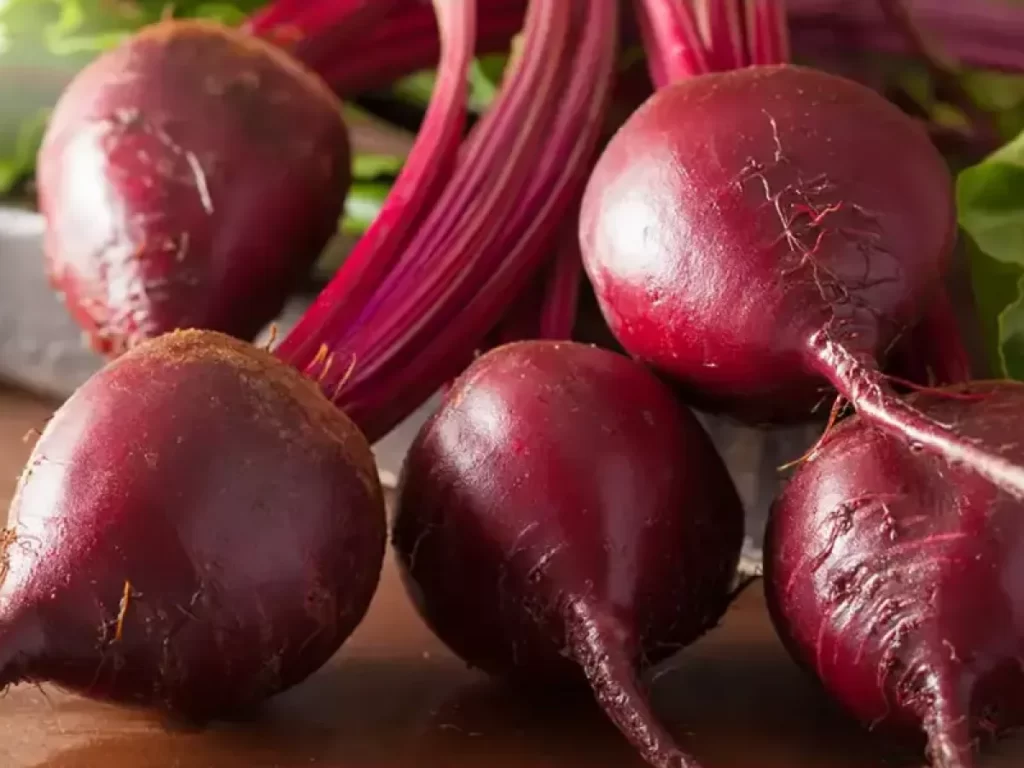
4. White Beetroot
A pale, creamy-white variety that is sweet and mild. It doesn’t stain and is often used for pickling or cooking.
5. Cylindra Beetroot (Formanova)
Long and cylindrical in shape. It cooks evenly and is easier to slice, making it ideal for pickling and uniform cuts.
6. Baby Beets
Young, small, tender beetroots harvested early. They are sweeter and softer, often used in gourmet salads and dishes.
Uses of Beetroot:
1. Culinary Uses
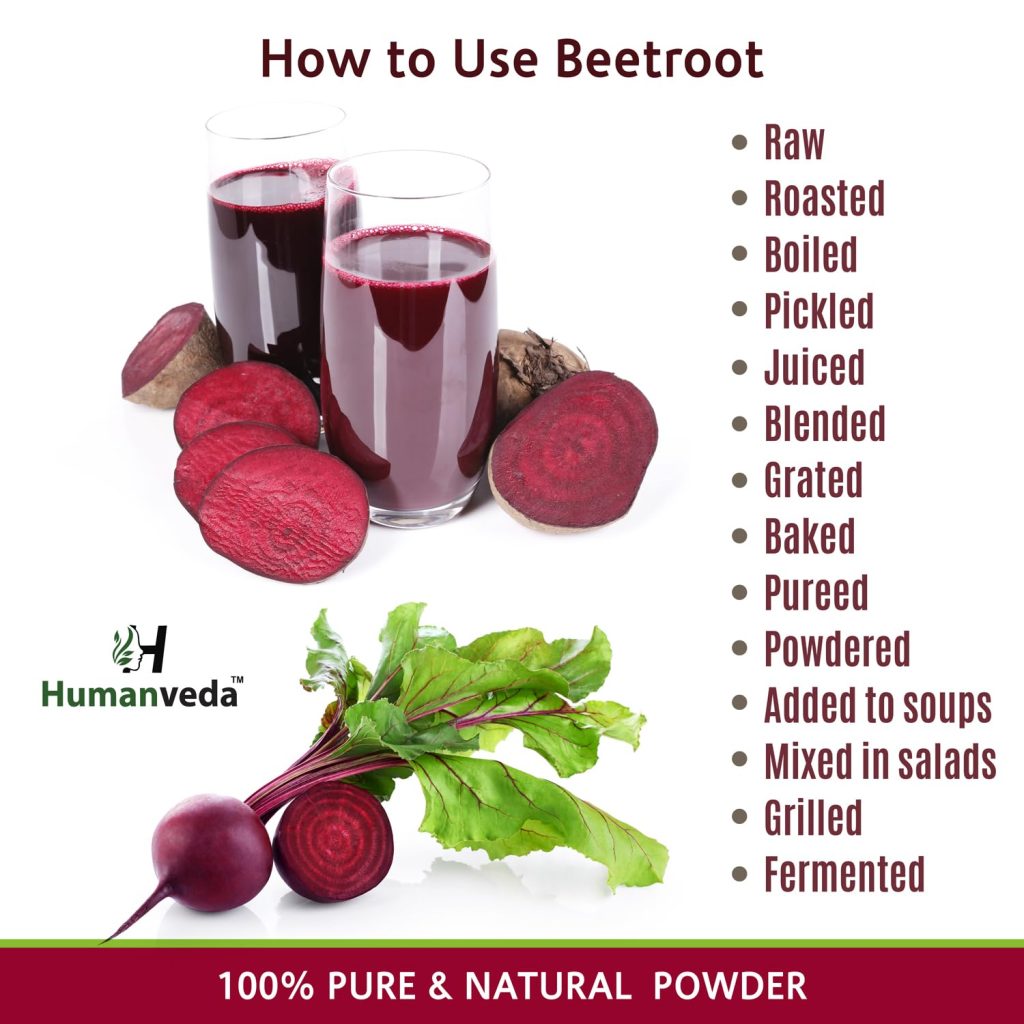
- Salads: Used raw or cooked in fresh salads for color and nutrition.
- Juices & Smoothies: A popular ingredient for detox and energy-boosting drinks.
- Cooking: Boiled, roasted, steamed, or stir-fried in various dishes.
- Pickles: Commonly pickled for long-term use and added flavor.
- Soups: The key ingredient in dishes like borscht, a famous beetroot soup.
- Desserts: Used in cakes, muffins, and brownies for natural sweetness and moisture.
2. Medicinal & Health Uses
- Improves blood circulation due to natural nitrates.
- Supports heart health by helping lower blood pressure.
- Boosts stamina and energy, especially for athletes.
- Aids digestion thanks to its high fiber content.
- Rich in antioxidants, supporting overall wellness.
3. Industrial & Commercial Uses
- Natural Food Coloring: The pigment betalain is used to color foods and drinks.
- Sugar Production: Sugar beets are used to produce beet sugar.
- Cosmetics: Beetroot extracts are used in natural lip and cheek tints.
4. Agricultural Uses
- Animal Feed: Beet leaves and some varieties of beets are used as livestock fodder.
Benefits of Beetroot:
1. Improves Blood Circulation
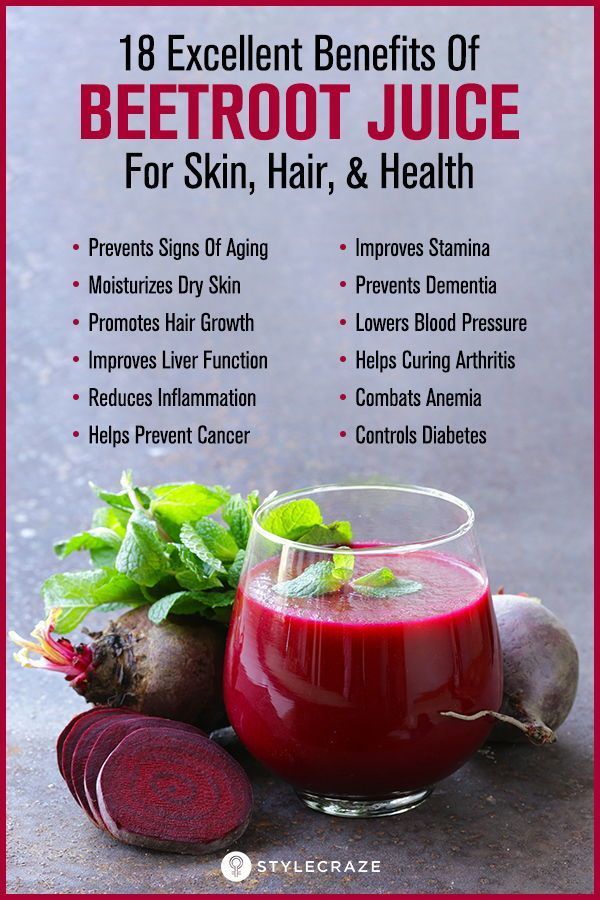
Beetroot is rich in natural nitrates, which help widen blood vessels and enhance blood flow. This supports heart health and overall circulation.
2. Helps Lower Blood Pressure
The nitrates in beetroot convert into nitric oxide, which relaxes blood vessels and helps reduce high blood pressure.
3. Boosts Energy and Stamina
Beetroot increases oxygen use in the body, improving endurance. Athletes often consume beetroot juice to enhance performance.
4. Supports Digestive Health
Beetroot contains high amounts of dietary fiber that aids digestion, prevents constipation, and supports a healthy gut.
5. Rich in Antioxidants
Beetroot is loaded with betalains, powerful antioxidants that help fight inflammation and protect cells from damage.
6. Good for Liver Health
Beetroot helps support liver function by promoting detoxification and reducing fat buildup in the liver.
7. Enhances Skin Health
Its antioxidants, vitamins, and minerals help improve skin glow, reduce pigmentation, and promote overall skin health.
8. Strengthens Immunity
Beetroot contains vitamin C, iron, and other nutrients that boost the immune system and help fight infections.
9. Supports Brain Health
Improved blood flow from beetroot consumption may enhance memory and cognitive function.
10. Helps in Weight Management
Beetroot is low in calories but high in fiber, making it a great food for weight control and fullness.
About the Author