History of Poppy Flower:
To get a full account of the poppy flower’s meaning, one needs to go way back to historical periods when it was first grown and cultivated for its medicinal and recreational uses, primarily as a mild sedative. Though now found all over the world, its pain-relieving properties are the base source from which morphine and codeine may be extracted.
The Poppy Flower Meaning Across Different Societies
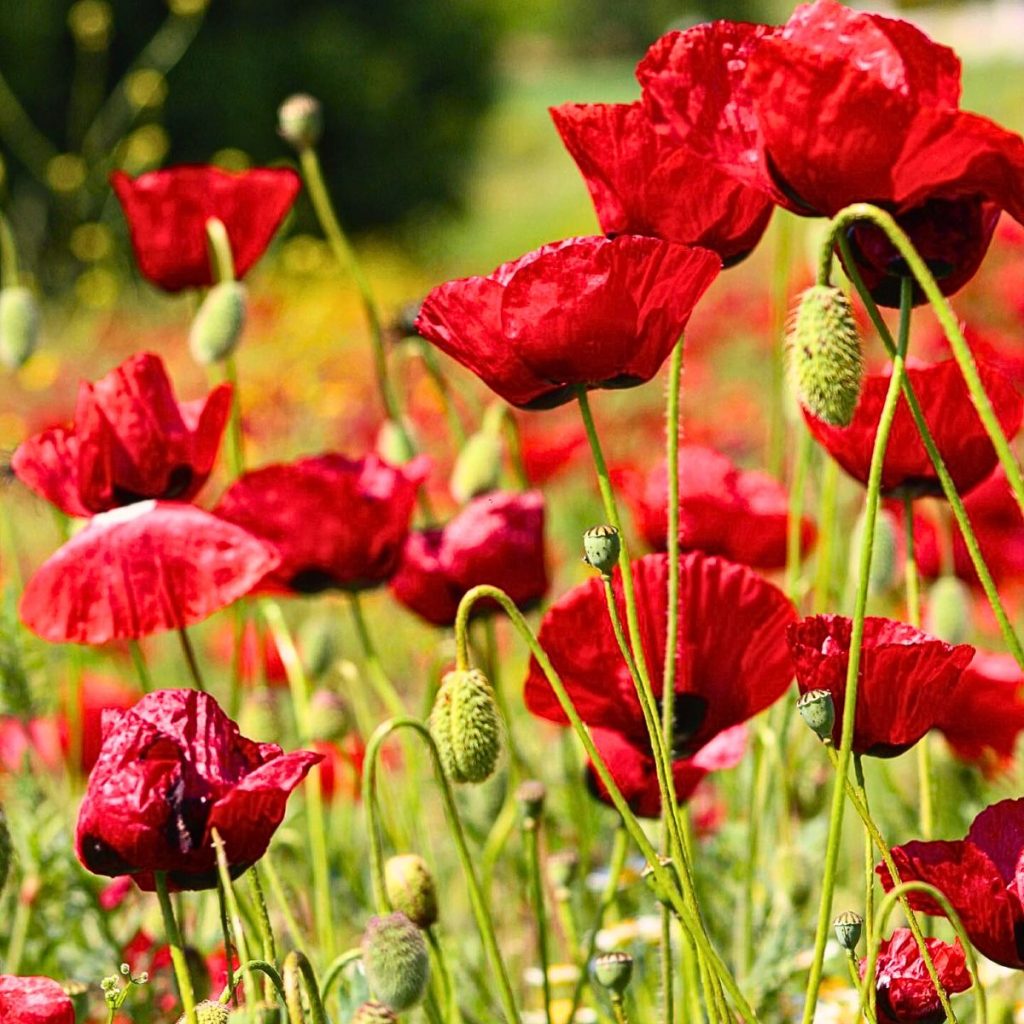
Poppies are not merely beautiful flowers that grace gardens and meadows in different parts of the world; they hold deep allegories and cultural significance. From ancient mythology to war memorials, these delicate-looking yet resilient flowers have developed into a universal symbol of commemoration, hope, and resilience, based on the different cultures.
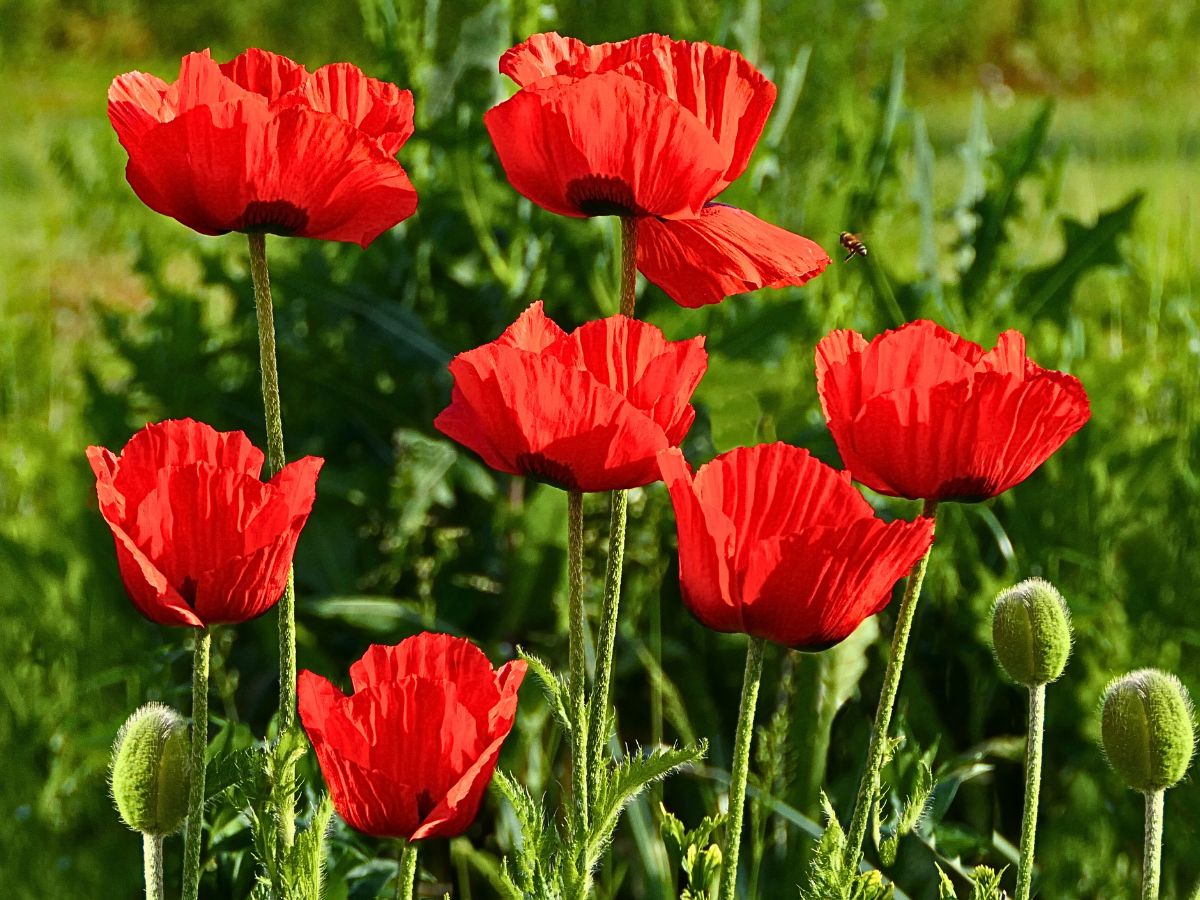
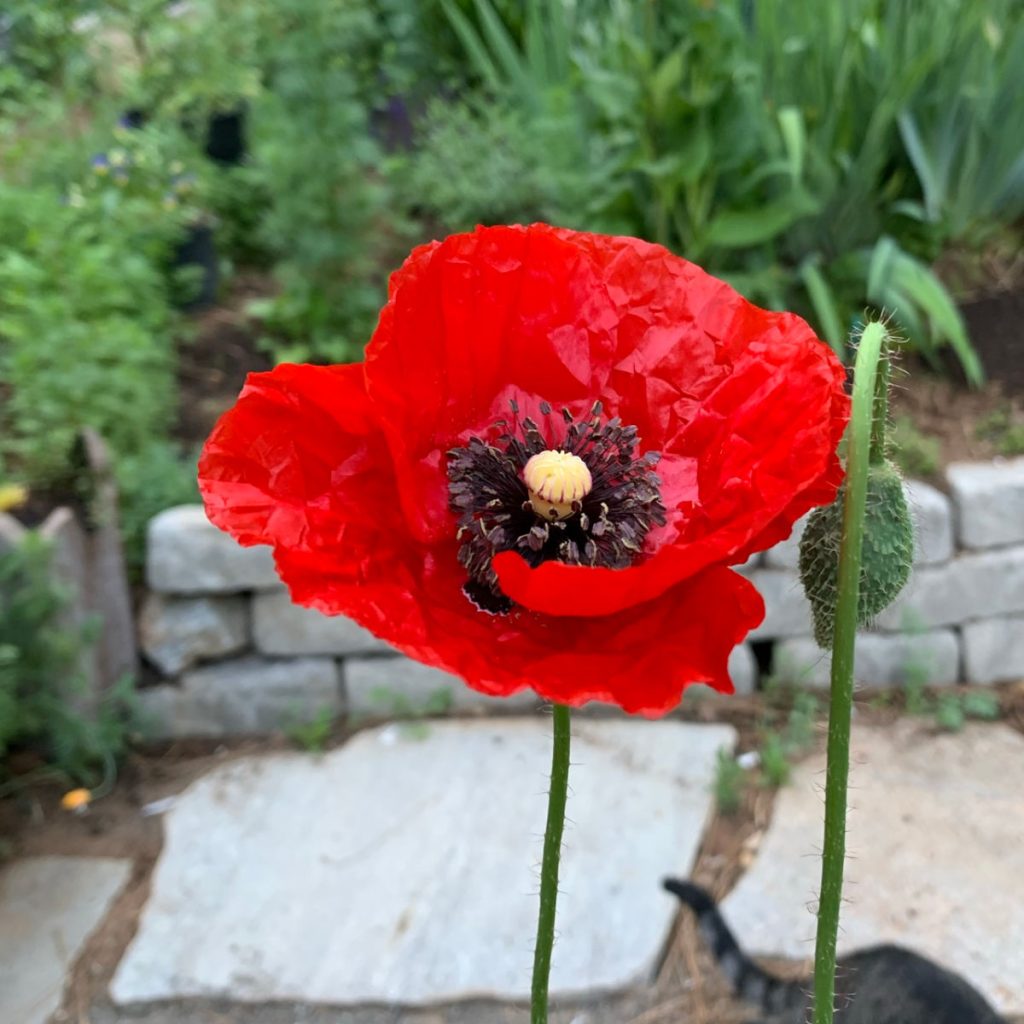
While the most iconic poppy color is red, this flower is also available in a variety of other colors due to selective breeding, including yellow, orange, purple, pink, and white. Some varieties, like the Shirley Poppy have pale speckled petals, and a nearly black hybrid was bred in Italy.
Poppy flowers come in a variety of beautiful colors, depending on the species. Here are the most common colors found in poppy flowers:
- Red (most famous, like the Remembrance poppy)
- Orange
- Yellow
- White
- Pink
- Purple
Types of Poppy Flowers:
- Papaver somniferum – Opium poppy (used for seeds and medicinal purposes)
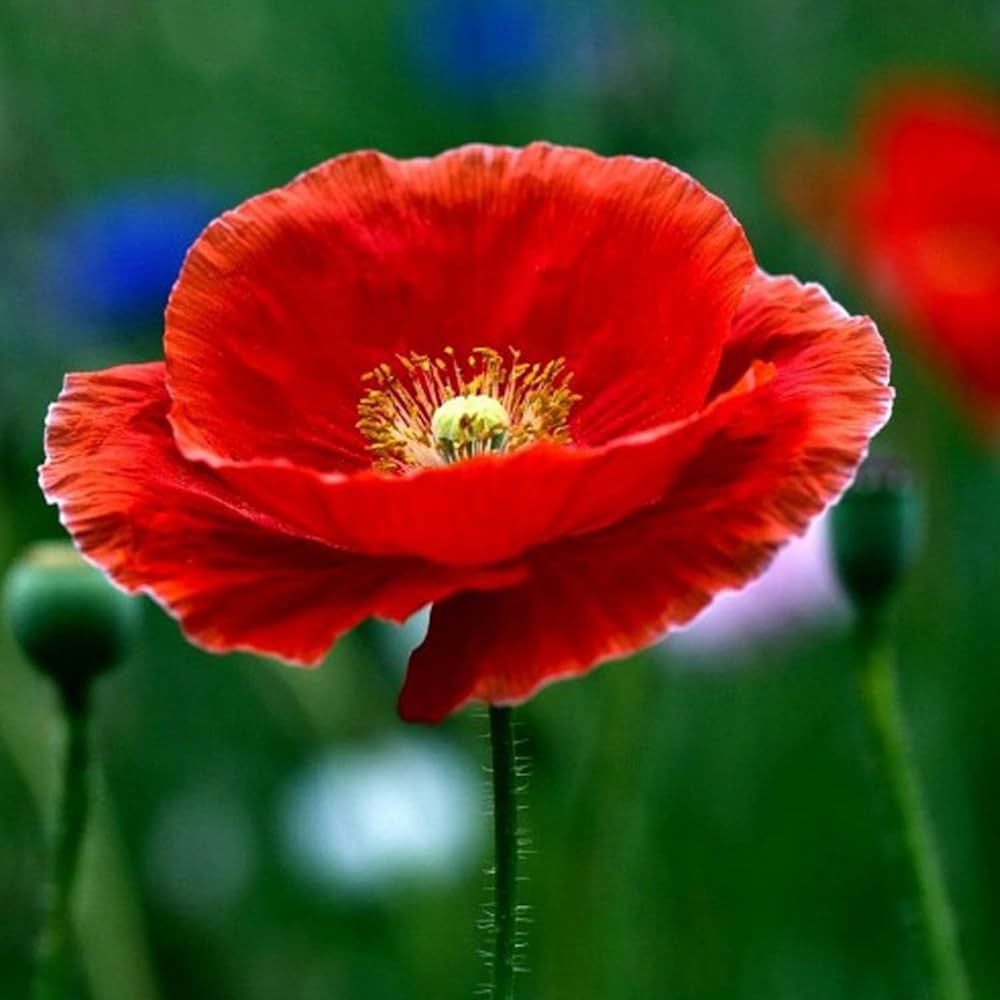
- Papaver rhoeas – Common or Flanders poppy (ornamental, symbolic)
- Papaver orientale – Oriental poppy (garden ornamental)
Growing Conditions:
Sunlight:
- Full sun (6–8 hours of direct sunlight per day).
Temperature:
- Best grown in temperatures between 12–25°C (54–77°F).
Propagation
- By seeds (most common method).
- Sow seeds directly outdoors in early spring or fall.
- Cover seeds lightly with soil; they need light for germination.
- Germination takes around 10–15 days.
Watering & Care
- Water regularly but avoid waterlogging.
- Provide moderate irrigation during dry periods.
- Once established, poppies are fairly drought-tolerant.
Uses of Poppy Flower:
1. Culinary Uses
- Poppy seeds are used in baking (breads, cakes, pastries).
- Used as a spice or topping in various cuisines.
- Poppy seed oil is used for cooking and salad dressings.
2. Medicinal Uses
- Some poppy species (especially Papaver somniferum) are used to produce medicinal compounds, such as morphine and codeine.
- Traditionally used for pain relief, cough treatments, and calming effects.
- Poppy seed oil is used in skin-care formulations.
3. Symbolic Uses
- Red poppies symbolize remembrance of soldiers who died in war (especially on Remembrance Day).
- Associated with peace, consolation, and sleep in various cultures.
4. Ornamental Uses
- Widely grown as a decorative garden plant.
- Used in bouquets, landscaping, and floral displays because of its bright, attractive colors.
5. Industrial Uses
- Poppy seed oil is used in paints, varnishes, and soaps.
- Some poppy extracts are used in the pharmaceutical industry.
About the Author