Description of Willow Tree:
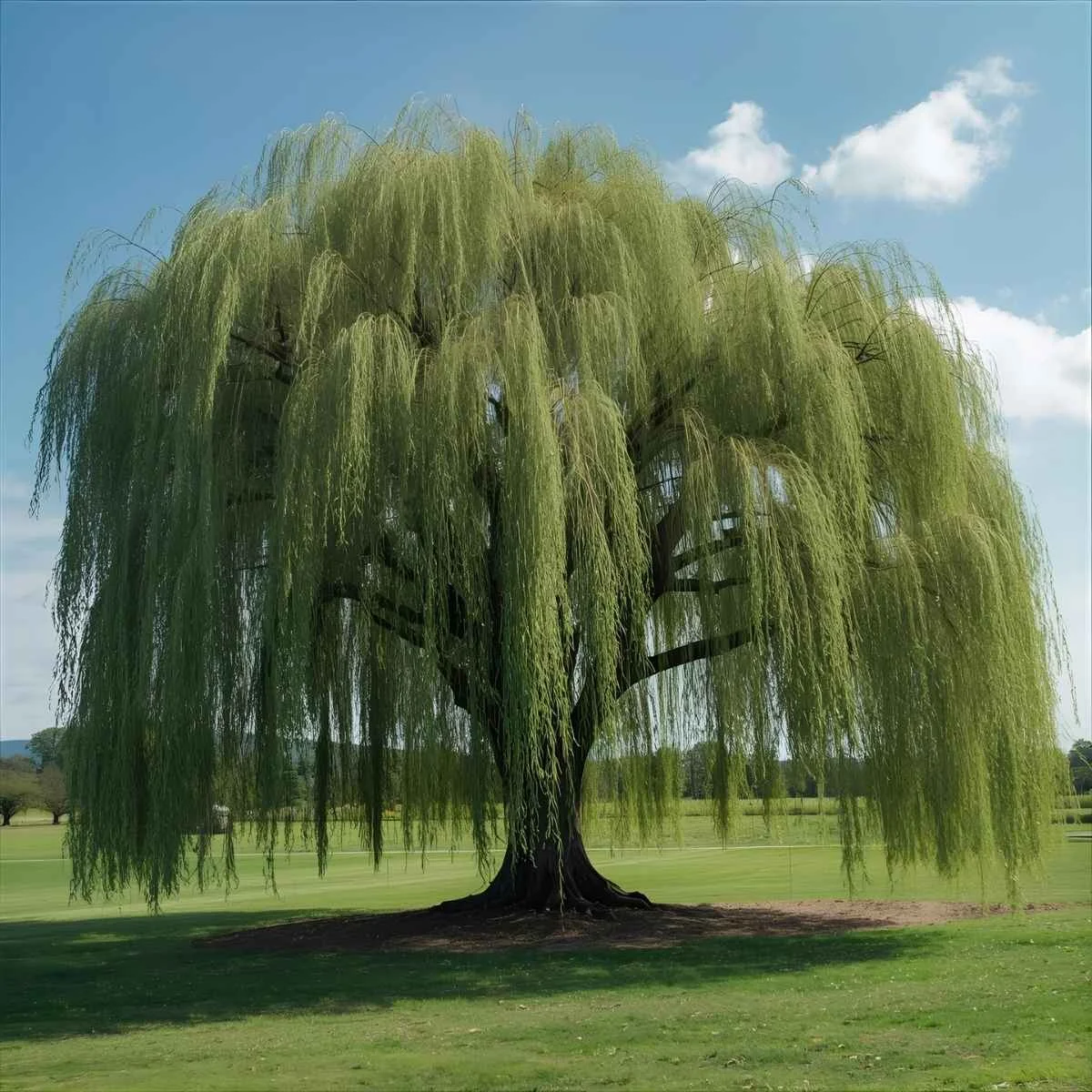
The willow tree is a graceful, deciduous tree known for its long, slender branches that arch downward, creating a soft, flowing appearance. Its leaves are narrow and light green, often shimmering in the breeze, giving the tree a gentle, calming presence. Willows usually grow near water sources like rivers, lakes, and wetlands, where their roots help stabilize the soil. Admired for their beauty and flexibility, willow trees symbolize peace, resilience, and emotional healing.
History of the Willow Tree:
The willow tree has a long and meaningful history that stretches back thousands of years across many cultures. Native to regions of Asia, Europe, and North America, willows naturally grew along rivers and wetlands, where ancient civilizations admired their beauty and practical uses.
In ancient China, willow branches symbolized renewal and protection, and the tree was often planted near homes and temples. In Egypt, willow wood was used in medicine and crafting tools, while the Greeks and Romans associated the willow with healing; the bark was used as a remedy for pain and fever—later discovered to contain salicylic acid, the basis of modern aspirin.
During the Middle Ages, willow trees became symbols of sorrow and mourning, leading to the popular term “weeping willow.” In literature and folklore, willows often represented emotional healing, rebirth, and the cycle of life.
Today, willow trees remain important for their cultural symbolism, medicinal history, and ecological role in stabilizing riverbanks and supporting wildlife.
Types of Willow Trees:
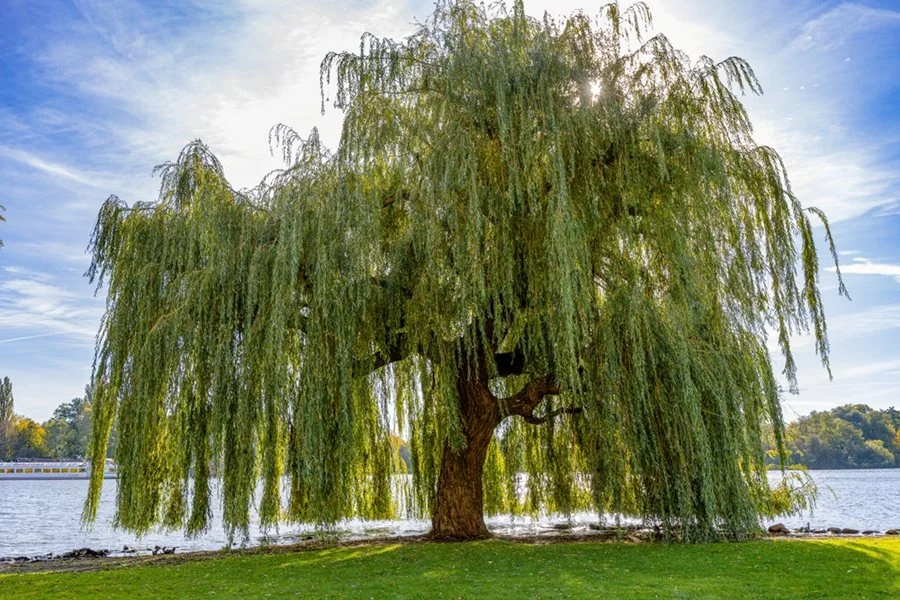
- Weeping Willow (Salix babylonica)
The most famous type, known for its long, drooping branches and elegant shape. Often seen near lakes and rivers. - White Willow (Salix alba)
A tall willow with pale, silvery leaves. Traditionally used for medicine due to its bark containing salicylic acid. - Black Willow (Salix nigra)
Native to North America, it has dark bark and is commonly found along riverbanks. Known for its strong wood. - Crack Willow (Salix fragilis)
Named because its branches break easily. It has shiny green leaves and grows quickly. - Goat Willow / Pussy Willow (Salix caprea)
Known for its soft, fuzzy catkins that appear in spring. Popular for decoration and early-season pollen for bees. - Yellow Willow (Salix lutea)
A North American species with yellowish branches and narrow leaves. - Corkscrew Willow (Salix matsudana ‘Tortuosa’)
Recognizable by its twisted branches and curly leaves. Often used in landscaping for its unique shape. - Dwarf Willow (Salix herbacea)
One of the world’s smallest woody plants, growing close to the ground in Arctic and alpine regions. - Peachleaf Willow (Salix amygdaloides)
Features long, peach-shaped leaves. Common near streams and plains in North America. - Purple Willow (Salix purpurea)
Has slender purple stems, often used in basket weaving.
Benefits of Willow Tree:
- Medicinal Properties
Willow bark contains salicylic acid, a natural compound used to relieve pain, fever, and inflammation. It is the original source of modern aspirin. - Soil Stabilization
The strong and spreading root system of the willow helps prevent soil erosion, especially along riverbanks, lakes, and wetlands. - Environmental Benefits
Willow trees absorb excess water, making them useful for controlling floods and managing wetland areas. They also filter pollutants, improving water quality. - Wildlife Support
Willows provide habitat, food, and shelter for many birds, insects, and small animals. Early spring catkins supply vital pollen for bees. - Wood and Craft Uses
Willow wood is flexible and lightweight, ideal for basket weaving, furniture, cricket bats, and traditional crafts. - Aesthetic Beauty
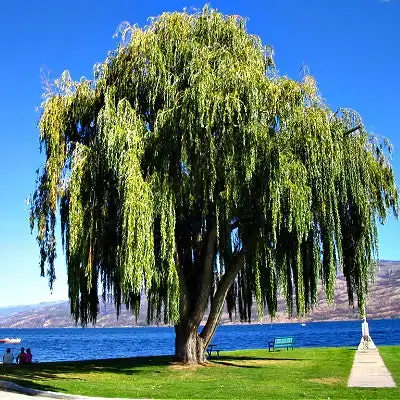
With their soft, flowing branches, willow trees add beauty and tranquility to parks, gardens, and landscapes. - Cultural and Emotional Symbolism
Traditionally linked with healing, renewal, and resilience, willow trees are often associated with emotional strength and calmness. - Fast Growth
Willows grow quickly, making them useful in reforestation, shade creation, and restoring damaged landscapes.
About the Author