Description of Turmeric
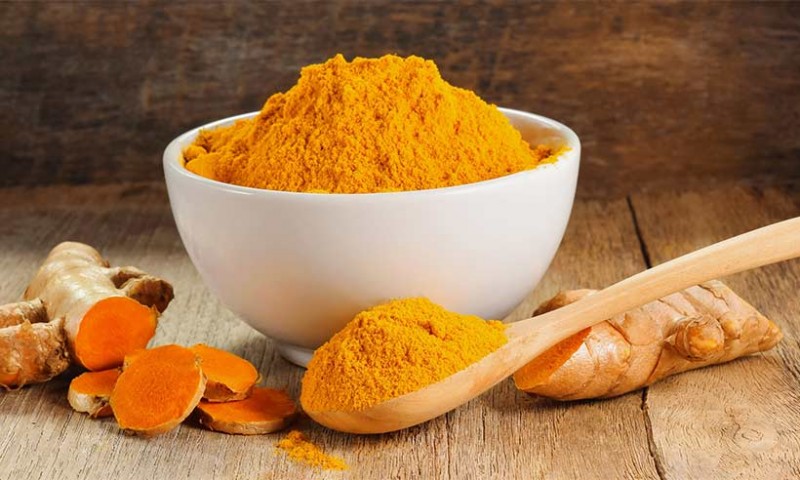
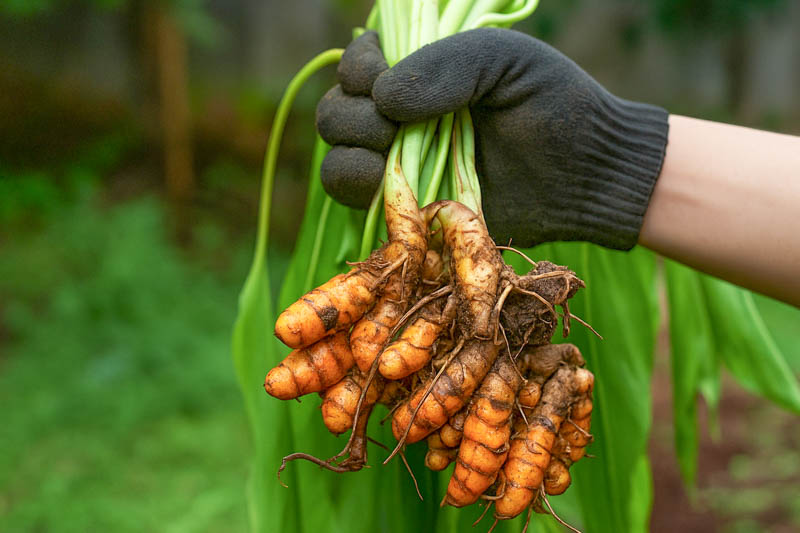
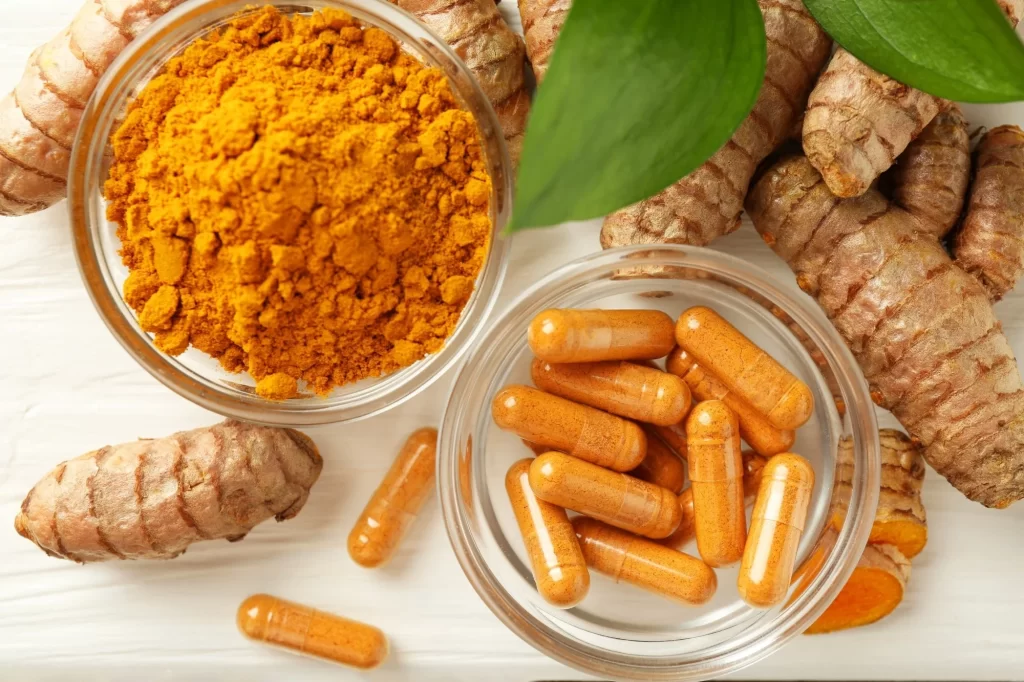
Turmeric (Curcuma longa) is a bright golden-yellow spice obtained from the rhizomes of a perennial herb belonging to the ginger family. It has a warm, earthy aroma and a slightly bitter, peppery flavor. The plant features large green leaves and underground orange-colored roots, which are dried and ground into powder. Turmeric is widely used in cooking, especially in South Asian cuisine, and is valued for its active compound curcumin, known for its strong anti-inflammatory and antioxidant properties. Beyond culinary use, turmeric has been an important ingredient in traditional medicine, skincare, and natural dyeing for centuries.
History of Turmeric
Turmeric has a rich history that spans thousands of years. Originating in South and Southeast Asia, especially India, it has been cultivated for over 4,000 years. Ancient Indian texts from the Vedic period describe turmeric as a sacred plant used in rituals, medicine, and food. In Ayurvedic and Siddha medicine, it was valued for treating inflammation, digestive issues, wounds, and skin diseases.
By the 1st century AD, turmeric traveled to China and later reached the Middle East and Africa through trade routes. Arab traders introduced it to Europe during the medieval period, where it became known as “Indian saffron” due to its vibrant color. During the colonial era, European explorers documented its medicinal benefits and culinary uses.
Today, turmeric is a global spice and a key ingredient in natural medicine, skincare, and health supplements. Its active compound, curcumin, has made it the focus of modern scientific research, solidifying its reputation as one of the world’s most valuable medicinal spices.
Uses of Turmeric
- Culinary Uses
- Widely used as a spice in curries, soups, rice dishes, and sauces.
- Adds a vibrant golden color and a warm, earthy flavor to food.
- Acts as a natural preservative due to its antimicrobial properties.
- Medicinal Uses
- Anti-inflammatory: Helps reduce inflammation in conditions like arthritis.
- Antioxidant: Protects cells from damage and supports overall health.
- Digestive aid: Improves digestion and may help relieve bloating and gas.
- Wound healing: Used in traditional medicine to aid in healing cuts and burns.
- Immune support: Boosts the immune system and helps fight infections.
- Skincare Uses
- Treats acne, dark spots, and blemishes.
- Brightens the skin and promotes a healthy glow.
- Used in face masks and beauty treatments in traditional practices.
- Cultural and Ritual Uses
- Used in religious ceremonies, weddings, and festivals in India.
- Acts as a natural dye for fabrics and ceremonial items.
- Modern Health Supplements
- Extracts like curcumin capsules are used for joint health, heart health, and cognitive support.
Benefits of Turmeric
- Anti-Inflammatory Properties
- Turmeric contains curcumin, a powerful compound that helps reduce inflammation in the body, which may benefit conditions like arthritis and joint pain.
- Antioxidant Support
- Curcumin is a strong antioxidant that protects cells from damage caused by free radicals, promoting overall health and slowing aging.
- Boosts Immunity
- Turmeric supports the immune system, helping the body fight infections and stay healthy.
- Improves Digestion
- Turmeric stimulates bile production, aiding digestion and reducing bloating, gas, and indigestion.
- Supports Heart Health
- May improve blood circulation and reduce the risk of heart disease by lowering inflammation and cholesterol levels.
- Promotes Skin Health
- Helps treat acne, reduces scars, and brightens the skin. Often used in natural face masks and skincare treatments.
- Aids Brain Function
- Curcumin may enhance cognitive function, protect against age-related brain diseases, and improve memory.
- Helps Manage Blood Sugar
- Can support healthy blood sugar levels and may benefit people with type 2 diabetes.
- Wound Healing & Pain Relief
- Applied topically or consumed, turmeric can help wounds heal faster and relieve minor pain.
Types of Turmeric
Turmeric varieties are mainly distinguished by their color, curcumin content, and regional cultivation. Here are some well-known types:
- Alleppey Turmeric (India)
- Origin: Kerala, India
- Features: Deep yellow-orange color, high curcumin content, strong aroma
- Use: Culinary, medicinal, and cosmetic purposes
- Madras Turmeric (India)
- Origin: Tamil Nadu, India
- Features: Bright yellow, slightly fibrous, moderate curcumin content
- Use: Cooking and traditional medicine
- Erode Turmeric (India)
- Origin: Tamil Nadu, India
- Features: Rich in color, earthy flavor, high curcumin
- Use: Spices, health supplements, and dyes
- Nizamabad Turmeric (India)
- Origin: Telangana, India
- Features: Strong aroma, good curcumin content, bright yellow hue
- Use: Cooking and medicinal applications
- Sugandha Turmeric (India & Nepal)
- Features: Fragrant, mild taste, golden-yellow rhizome
- Use: Culinary and medicinal purposes
About the Author