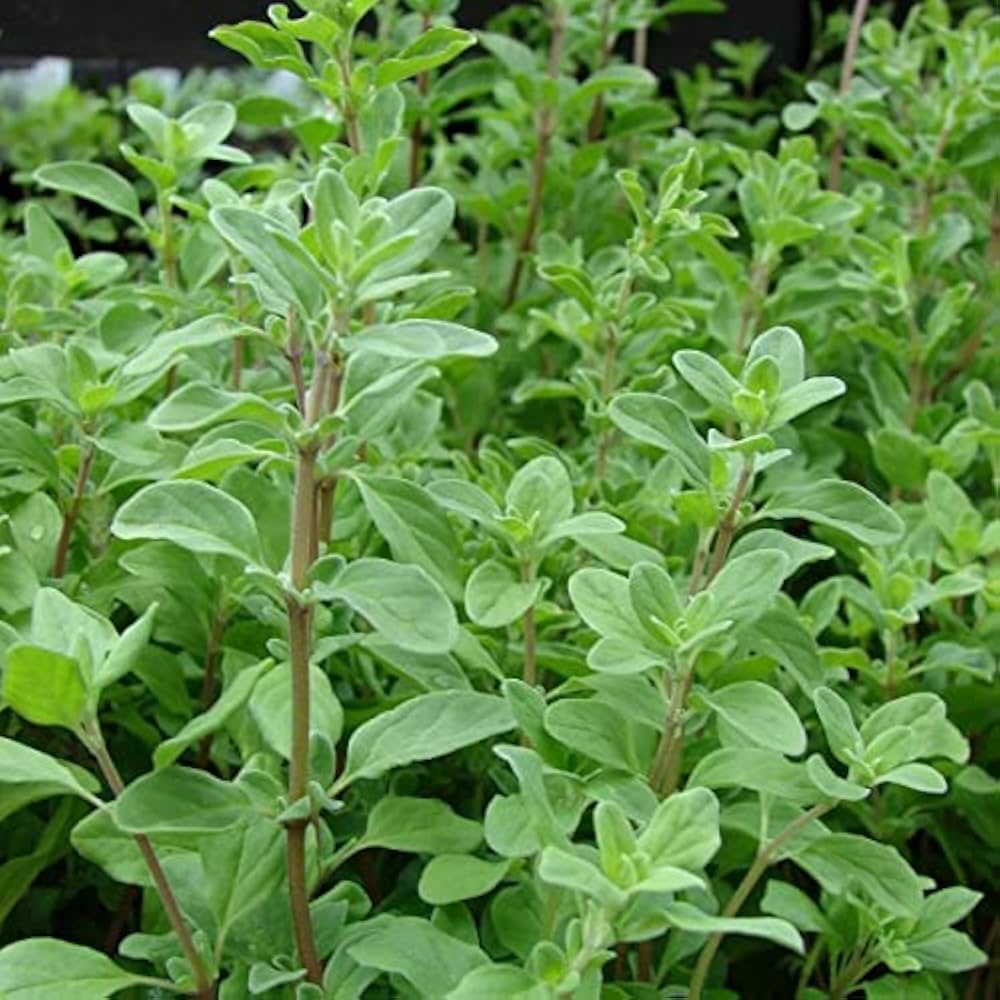
Description of Marjoram
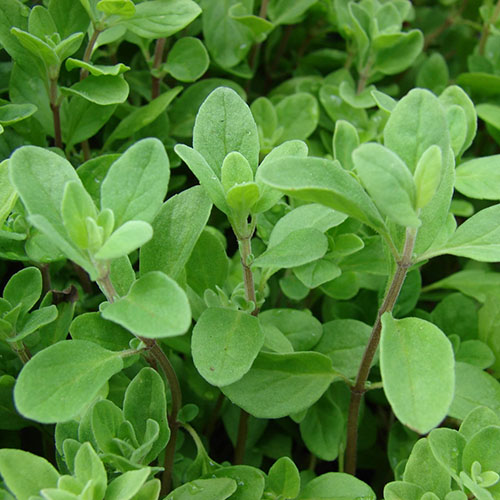
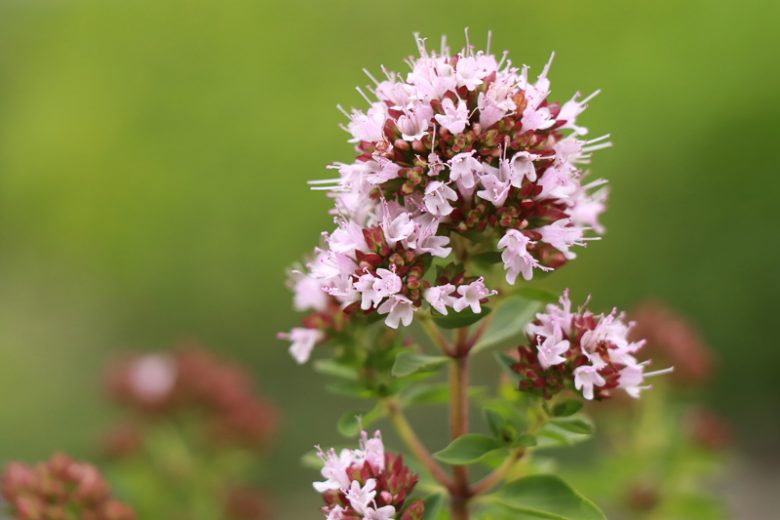
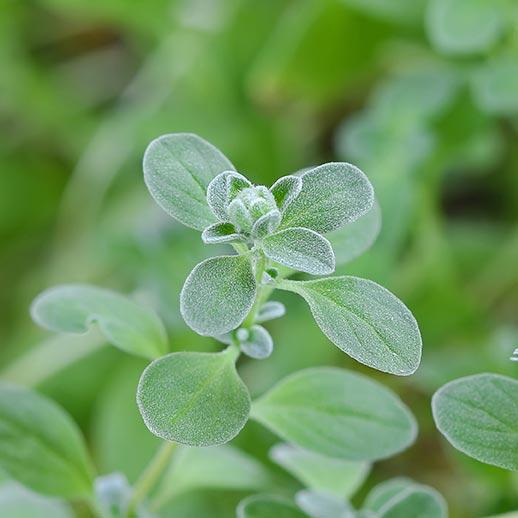
Marjoram (Origanum majorana) is a fragrant, perennial herb known for its sweet, mild, and slightly citrusy aroma. It has small oval green leaves and delicate white or pink flowers that grow in clusters. Widely used in cooking, marjoram adds a warm, soothing flavor to soups, meats, sauces, and herbal teas. The plant is closely related to oregano but has a gentler, sweeter taste. Marjoram is also valued in traditional herbal medicine for its calming, digestive, and anti-inflammatory properties, making it both a culinary and therapeutic herb.
History of Marjoram
Marjoram has a long and rich history dating back thousands of years. Native to the Mediterranean region, it was highly valued in ancient Greek and Roman cultures. The Greeks associated marjoram with love, happiness, and beauty, believing it was created by the goddess Aphrodite. It was often used in wedding garlands and perfumes.
The Romans used marjoram widely in their cuisine and herbal remedies, appreciating its warming and calming effects. During the Middle Ages, marjoram spread throughout Europe, where it became popular for flavoring food, making herbal wines, and treating ailments like indigestion, coughs, and insomnia.
By the Renaissance, marjoram had become a common household herb, grown in monastery gardens and home kitchens. Over time, it traveled to Asia, the Middle East, and eventually the Americas through trade routes.
Today, marjoram remains a beloved culinary and medicinal herb worldwide, cherished for its sweet aroma, gentle flavor, and comforting properties.
Types of Marjoram
- Sweet Marjoram (Origanum majorana)
- The most common and widely used type.
- Known for its sweet, mild, and aromatic flavor.
- Used in cooking, herbal teas, and traditional medicine.
- Wild Marjoram / Oregano (Origanum vulgare)
- Often called wild marjoram.
- Stronger, more pungent flavor compared to sweet marjoram.
- Commonly used in Italian, Greek, and Mediterranean dishes.
- Pot Marjoram (Origanum onites)
- Also known as Turkish oregano.
- Flavor is between sweet marjoram and oregano.
- Used in culinary seasonings and essential oil production.
- Hardy Marjoram
- A hybrid of sweet marjoram and oregano.
- More tolerant to colder climates.
- Flavor is robust but less intense than oregano.
- Knotted Marjoram
- A specific form of sweet marjoram known for its knotted flower clusters.
- Popular in ornamental gardening and potpourri.

Uses of Marjoram
1. Culinary Uses
- Adds a sweet, mild, and aromatic flavor to foods.
- Common in Mediterranean and Middle Eastern cooking.
- Used in:
- Soups and stews
- Meat dishes (especially lamb, chicken, and sausages)
- Pasta sauces and tomato dishes
- Stuffings and marinades
- Herbal teas and spice blends (like Herbes de Provence)
2. Medicinal Uses
- Traditionally used in herbal medicine for:
- Improving digestion
- Relieving gas, bloating, and stomach pain
- Reducing cough and cold symptoms
- Calming stress and promoting relaxation
- Easing headaches and insomnia
- Marjoram essential oil is used for massage and aromatherapy to soothe muscles and reduce tension.
3. Aromatherapy & Wellness
- Used in diffusers for its calming scent.
- Added to bathwater for relaxation.
- Helps relieve fatigue, anxiety, and emotional stress.
4. Cosmetic & Skincare Uses
- Included in lotions, balms, and soaps.
- Provides anti-inflammatory and soothing effects for the skin.
- Helps with mild skin irritations and dryness.
5. Household Uses
- Used in potpourri and herbal sachets for a pleasant aroma.
- Can be used as a natural insect repellent.
Benefits of Marjoram
1. Supports Digestion
- Helps relieve indigestion, gas, bloating, and stomach cramps.
- Stimulates digestive enzymes for better food breakdown.
2. Reduces Stress & Anxiety
- Its calming aroma helps relax the mind.
- Marjoram tea or essential oil can reduce nervous tension and promote restful sleep.
3. Helps with Respiratory Issues
- Traditionally used to ease cough, cold, sinus congestion, and sore throat.
- Acts as a natural expectorant.
4. Anti-Inflammatory Properties
- Reduces inflammation in muscles and joints.
- Helpful for mild arthritis pain and muscle soreness.
5. Boosts Heart Health
- Contains antioxidants and compounds that may help regulate blood pressure.
- Promotes better blood circulation.
6. Antioxidant-Rich
- Protects cells from oxidative stress.
- Supports overall immunity and wellness.
7. Hormonal Balance
- Known in herbal medicine for helping to ease menstrual cramps and regulate cycles.
- Provides relief from PMS symptoms.
8. Supports Better Sleep
- A warm cup of marjoram tea can calm the body and mind, promoting deeper sleep.
9. Antimicrobial Effects
- Helps fight bacteria and fungi.
- Useful for minor skin infections and as a natural food preservative.
10. Skin Health
- Soothes irritated or inflamed skin.
- Used in skincare products for its gentle healing properties.
About the Author