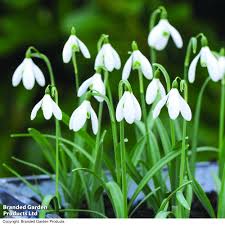
Description of Snowdrop:
The snowdrop (Galanthus) is a delicate, early-blooming flower known for its pure white, nodding, bell-shaped blossoms that emerge even while the ground is still cold and frosty. Growing from small underground bulbs, snowdrops typically produce slender green leaves and a single drooping flower that symbolizes purity, hope, and the arrival of spring. Their graceful appearance and ability to bloom in late winter make them one of the first signs of nature’s renewal.
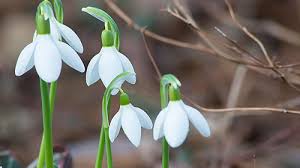
History of the Snowdrop:
The snowdrop (Galanthus) has a long and symbolic history dating back thousands of years. Native to Europe and parts of the Middle East, it is believed to have been first recognized in ancient civilizations where its early blooming was associated with purity and hope. Although not mentioned in classical Greek or Roman texts, snowdrops gained popularity during the Middle Ages, especially in monasteries, where monks planted them in gardens and around churches.
By the 16th and 17th centuries, snowdrops became widely known and cultivated across Europe. Their ability to bloom in late winter made them a symbol of the end of darkness and the coming of spring, often featured in folklore, poetry, and religious traditions. In Victorian times, they were considered flowers of consolation and renewal.
Today, snowdrops remain cherished worldwide as the first heralds of spring, celebrated in festivals and admired by gardeners for their elegance, resilience, and historical charm.
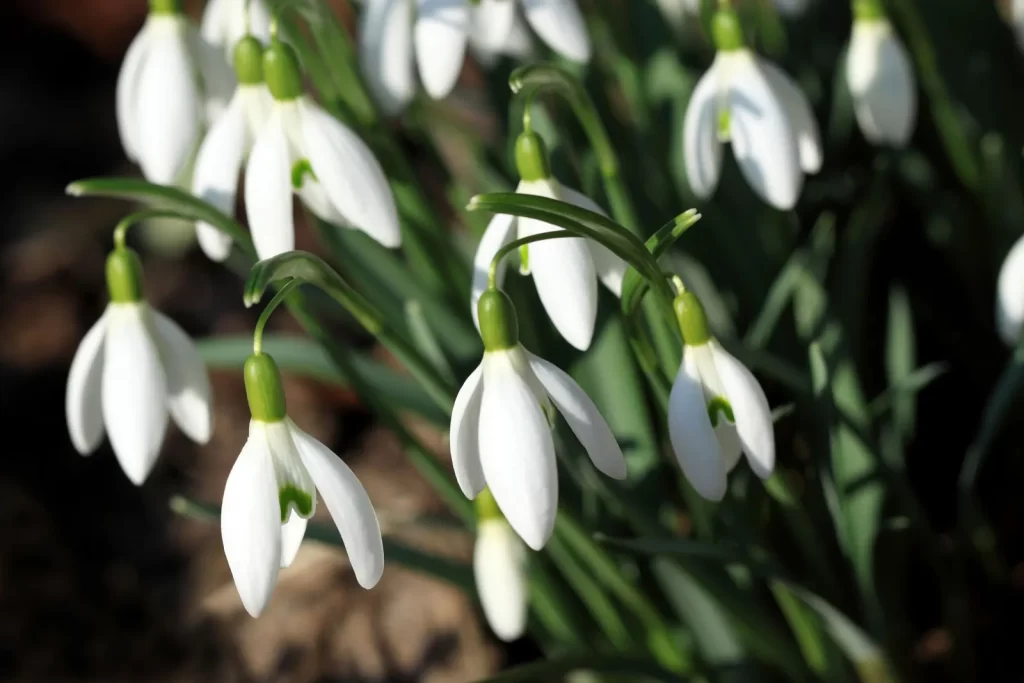
Uses of Snowdrop:
🌿 1. Medicinal Uses
- Snowdrops contain galantamine, a natural compound used in modern medicine to help treat Alzheimer’s disease and other memory-related disorders.
- Traditionally, some cultures used snowdrop extracts for nerve pain and headaches, though this should only be done under medical supervision.
🌸 2. Ornamental Uses
- Snowdrops are highly valued as ornamental garden plants.
- They are often planted in woodland gardens, borders, and rock gardens to add beauty during late winter and early spring.
- Because they bloom early, they bring color and life when most plants are still dormant.
🏺 3. Cultural and Symbolic Uses
- Snowdrops symbolize hope, purity, rebirth, and new beginnings.
- They are used in festivals and winter celebrations as a sign of the approaching spring.
- In folklore, snowdrops appear as symbols of comfort and renewal.
🌱 4. Ecological Uses
- They provide an early food source for bees and other pollinators during the cold months.
- Their early bloom helps support local ecosystems at a time when few plants are flowering.
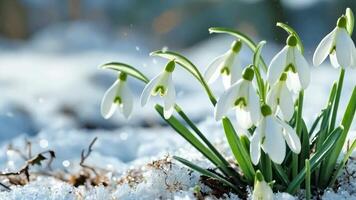
Benefits of Snowdrop:
🌿 1. Cognitive Health
- Snowdrops contain galantamine, which is used to improve memory and cognitive function.
- It is particularly helpful in managing symptoms of Alzheimer’s disease and other neurodegenerative conditions.
🌸 2. Antioxidant Properties
- Snowdrop extracts have antioxidant compounds that may help protect cells from oxidative stress and aging.
💊 3. Potential Medicinal Uses
- Traditionally, snowdrops have been used for headaches, nerve pain, and fatigue, though modern use focuses mainly on galantamine for neurological benefits.
🌱 4. Early Spring Support for Pollinators
- Snowdrops bloom in late winter, providing early nectar for bees and other pollinators, supporting the ecosystem.
🌼 5. Psychological and Emotional Benefits
- Symbolically, snowdrops represent hope, renewal, and new beginnings, which can have a positive impact on mental well-being when used in gardens or floral arrangements.
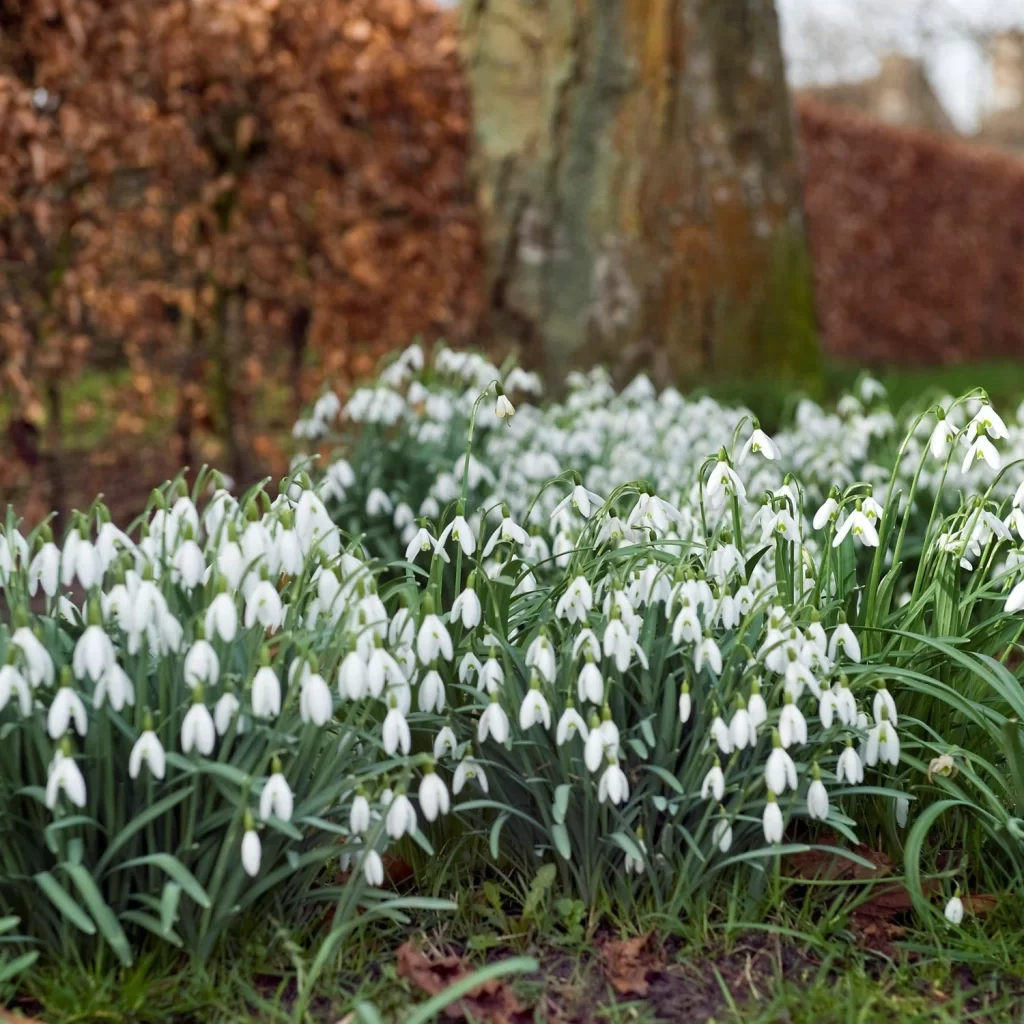
Types of Snowdrop:
1. Galanthus nivalis (Common Snowdrop)
- The most widespread species.
- Small, nodding white flowers with green markings on the inner petals.
- Blooms in late winter to early spring.
2. Galanthus elwesii (Giant Snowdrop)
- Larger flowers than common snowdrops.
- Outer petals are long and elegant; inner petals have a green “V” marking.
- Often used in ornamental gardens for impact.
3. Galanthus plicatus (Pleated Snowdrop)
- Known for pleated leaves and larger, showy flowers.
- Inner petals usually have green tips.
- Popular in formal gardens.
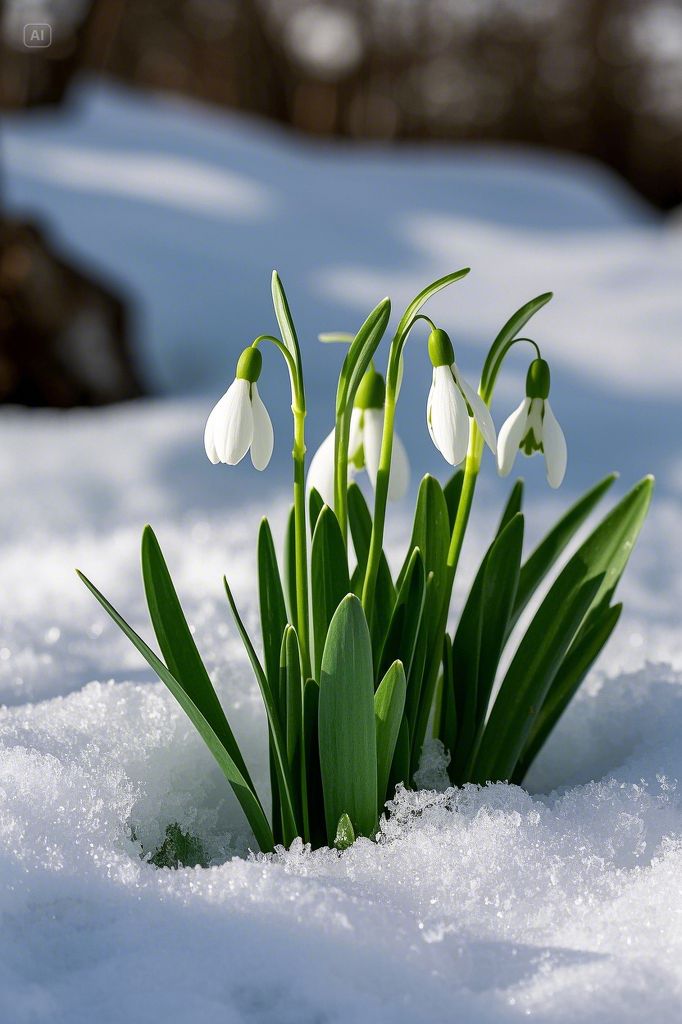
4. Galanthus woronowii (Caucasian Snowdrop)
- Robust and early-flowering species.
- Narrow, long leaves and a slightly larger flower.
- Flowers appear in clusters, giving a dramatic effect.
5. Galanthus ‘Flore Pleno’ (Double Snowdrop)
- Double-flowered cultivar with multiple inner petals.
- Very ornamental and highly prized by collectors.
6. Galanthus nivalis ‘Viridapice’
- Variation of common snowdrop with green tips on outer petals.
- Adds subtle color contrast to garden beds.
About the Author