Description of Lavender
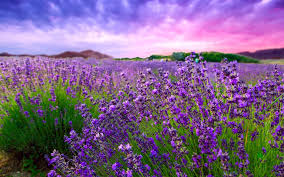
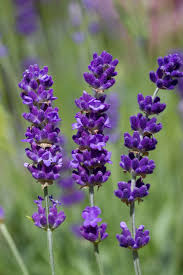
Lavender (Lavandula) is a fragrant flowering plant belonging to the mint family, known for its slender stems, narrow green-gray leaves, and spikes of small purple or blue flowers. Native to the Mediterranean region, lavender thrives in sunny, well-drained soils and is widely cultivated around the world for its aromatic and decorative qualities.
The plant is renowned for its soothing fragrance, which is used in essential oils, perfumes, soaps, and sachets. Beyond its beauty and scent, lavender has medicinal and therapeutic properties, often used to reduce stress, anxiety, and insomnia. Its calming purple blooms also make it a popular choice for gardens, borders, and floral arrangements, adding both color and fragrance.
History of Lavender
Lavender (Lavandula) has a long and rich history, dating back thousands of years. It is native to the Mediterranean region and has been valued for its fragrance, medicinal properties, and symbolic meanings.
1. Ancient Civilizations
- Egyptians used lavender in mummification, perfumes, and cosmetics.
- Romans prized it for bathing, scenting the air, and medicinal purposes, including treating wounds and infections.
2. Middle Ages
- Lavender was widely cultivated in European monasteries for its medicinal and aromatic qualities.
- It was used to freshen homes, repel insects, and aid in healing.
3. Renaissance and Beyond
- Lavender became a staple in gardens, perfumery, and herbal medicine.
- Its calming properties were recognized for stress relief, sleep aid, and relaxation.
4. Modern Use
- Today, lavender is grown worldwide for essential oils, perfumes, cosmetics, and aromatherapy.
- It continues to symbolize purity, calmness, and serenity, making it popular in gardens, homes, and wellness products.
Lavender’s enduring appeal comes from its beauty, fragrance, and versatility, making it one of the most cherished herbs in human history.
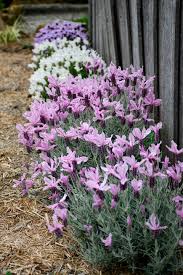
Types of Lavender
1. English Lavender (Lavandula angustifolia)
- Most common type, known for sweet fragrance and purple-blue flowers.
- Used in essential oils, sachets, and culinary purposes.
- Hardy in cooler climates.
2. French Lavender (Lavandula dentata)
- Features toothed leaves and gray-green foliage.
- Flowers are less fragrant but have ornamental appeal.
- Popular in gardens and borders.
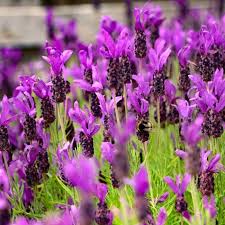
3. Spanish Lavender (Lavandula stoechas)
- Distinctive pinecone-shaped flower heads with “rabbit ear” petals.
- Strong fragrance, grows well in warm climates.
- Often used ornamentally rather than for oil.
4. Lavandin (Lavandula × intermedia)
- Hybrid of English and spike lavender.
- Taller plant with strong fragrance, ideal for essential oil production.
- Blooms later than English lavender.
5. Spike Lavender (Lavandula latifolia)
- Narrow leaves and long, spiky flowers.
- Strong camphor-like scent, often used in medicinal and industrial oils.
6. White Lavender (Lavandula angustifolia ‘Alba’)
- A variety of English lavender with white flowers.
- Mild fragrance, used for ornamental purposes.
Lavender types vary mainly in flower shape, color, fragrance, and climate adaptability, making them suitable for gardening, aromatherapy, and commercial use.
Uses of Lavender
1. Aromatherapy and Relaxation
- Lavender essential oil is widely used to reduce stress, anxiety, and insomnia.
- Its calming scent is used in diffusers, candles, and bath products.
2. Medicinal Uses
- Traditionally used to soothe headaches, burns, insect bites, and minor wounds.
- Some studies suggest anti-inflammatory and antimicrobial properties.
3. Culinary Uses
- Flowers and leaves are used in teas, desserts, salads, and baked goods.
- Adds a mild floral flavor to recipes.
4. Cosmetic and Beauty Uses
- Used in soaps, perfumes, lotions, and shampoos for fragrance and skin benefits.
- Helps soothe skin irritation and maintain healthy skin.
5. Ornamental Uses
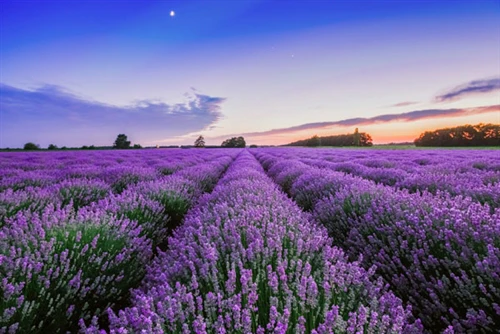
- Grown in gardens, borders, and pots for its beautiful purple flowers and pleasant fragrance.
- Attracts pollinators like bees and butterflies.
6. Household Uses
- Dried lavender is used in sachets, potpourri, and drawer fresheners.
- Helps repel moths and insects naturally.
Lavender is valued not just for its beauty, but also for its therapeutic, culinary, and practical uses, making it a versatile and cherished plant worldwide.
About the Author