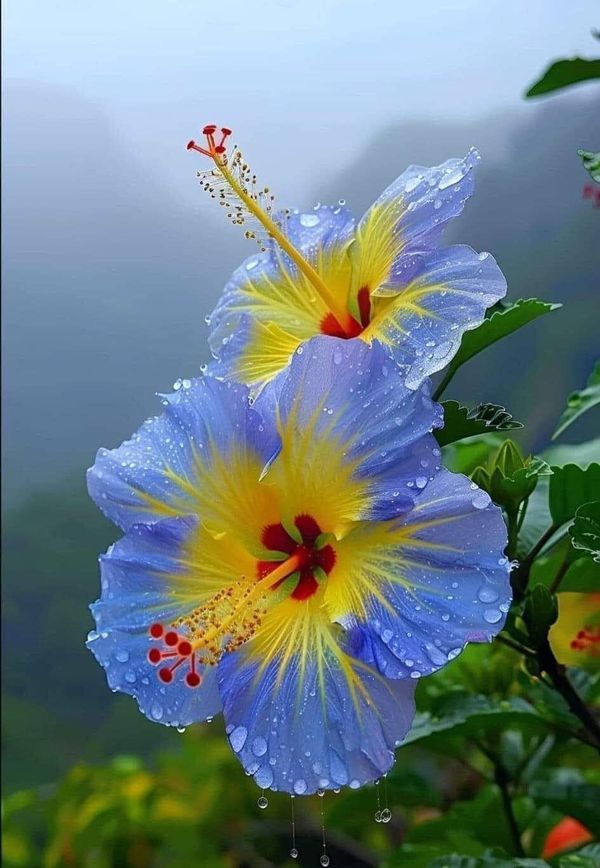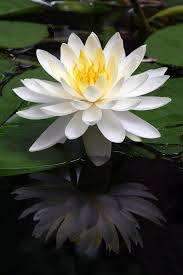
The Kanwal (lotus) (Nelumbo nucifera) is an aquatic flowering plant known for its beauty and symbolic significance in many cultures. It typically grows in shallow ponds, lakes, and marshes, with large, round leaves that float on the water’s surface. The flowers are striking, usually pink or white, with numerous delicate petals arranged in concentric layers. Lotus blooms rise above the water on strong stalks, creating an elegant, serene appearance.
The plant has a long stem, broad leaves, and edible seeds and roots. It thrives in warm, sunny climates and is revered in various cultures, particularly in Asia, as a symbol of purity, spiritual awakening, and resilience, because it blooms beautifully even in muddy waters.
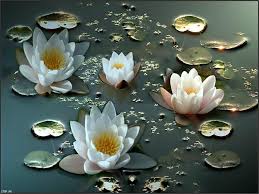
History of Kanwal (Lotus)
The lotus (Nelumbo nucifera) has a long and rich history that spans thousands of years, particularly in Asian cultures. It is considered one of the most sacred and symbolic flowers in India, China, Egypt, and Southeast Asia.
- Ancient India: The lotus has been deeply associated with Hinduism and Buddhism. In Hindu mythology, gods and goddesses like Lakshmi and Brahma are often depicted seated on lotus flowers, symbolizing purity, creation, and divine beauty. In Buddhism, the lotus represents spiritual enlightenment, rising unstained from the mud to bloom beautifully.
- Ancient Egypt: The lotus was a symbol of the sun, creation, and rebirth. Egyptian art frequently shows lotus flowers, often with water and sun motifs, emphasizing regeneration and the cyclical nature of life.
- China and East Asia: The lotus symbolizes purity, perfection, and nobility. It is a popular motif in Chinese art, poetry, and literature. The phrase “he li bu she” (lotus grows unstained) highlights its representation of moral integrity.
- Cultivation History: Historically, lotus plants were cultivated not only for their beauty but also for edible seeds and roots, and even for medicinal purposes. They were grown in ponds of palaces, temples, and gardens, signifying wealth and spiritual harmony.
Overall, the Kanwal flower is more than just a plant—it has been a symbol of purity, enlightenment, and rebirth for centuries across multiple civilizations.
Types of Kanwal (Lotus)
1. Sacred White Lotus (Nelumbo nucifera ‘Alba’)
- Pure white petals with a yellow center.
- Symbolizes purity, spiritual enlightenment, and peace.
- Commonly found in temples and religious ponds.
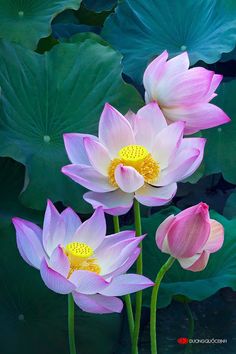
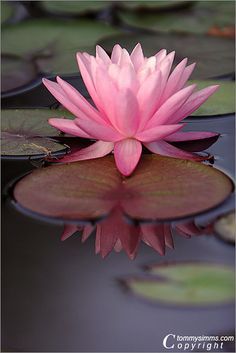
2. Pink Lotus (Nelumbo nucifera ‘Rubra’)
- Soft to deep pink petals.
- Represents love, compassion, and divine beauty.
- Often associated with Buddha and Hindu deities.
3. Red Lotus
- Deep red petals with striking contrast.
- Symbolizes strength, courage, and passionate energy.
- Less common in the wild; often cultivated.
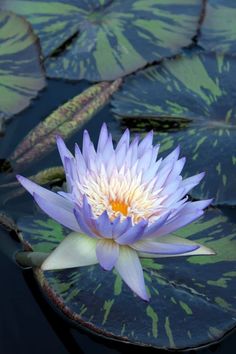
4. Blue Lotus (Nymphaea caerulea – sometimes called Egyptian lotus)
- Light to deep blue petals, usually with a yellow center.
- Historically revered in ancient Egypt for spiritual and medicinal purposes.
- Not a true Nelumbo species but often called lotus due to similar appearance.
5. Yellow Lotus
- Yellow petals with orange or golden centers.
- Symbolizes happiness, enlightenment, and creativity.
- Found in certain cultivated varieties in Asia.
6. Double-Petaled Lotus
- Flowers with multiple layers of petals, giving a fuller, ruffled look.
- Grown mostly for ornamental purposes in gardens and ponds.
Uses of Kanwal (Lotus)
1. Religious and Spiritual Uses
- Widely used in Hindu and Buddhist rituals as offerings.
- Symbolizes purity, enlightenment, and rebirth.
- Often placed in temples and meditation spaces for spiritual ambiance.
2. Medicinal Uses
- Lotus seeds, roots, and leaves are used in traditional medicine (Ayurveda and Chinese medicine).
- Treats diarrhea, inflammation, high blood pressure, and insomnia.
- Has cooling and calming properties, helping reduce stress and fever.
3. Culinary Uses
- Lotus seeds (makhana) are edible and nutritious.
- Roots and stems are used in soups, stir-fries, and salads.
- Seeds can be roasted, boiled, or used in sweets and snacks.
4. Ornamental Uses
- Planted in ponds, lakes, and gardens for aesthetic appeal.
- Double-petaled and colorful lotus varieties enhance water gardens and landscapes.
5. Cultural and Artistic Uses
- Inspiration in art, sculpture, and architecture.
- Motifs of lotus appear in paintings, jewelry, and temple carvings.
6. Environmental Uses
- Lotus plants help purify water bodies by absorbing toxins.
- Their leaves provide shade and habitat for aquatic life.
The lotus is a multi-purpose plant—beautiful, nutritious, medicinal, and symbolic all at once.
About the Author