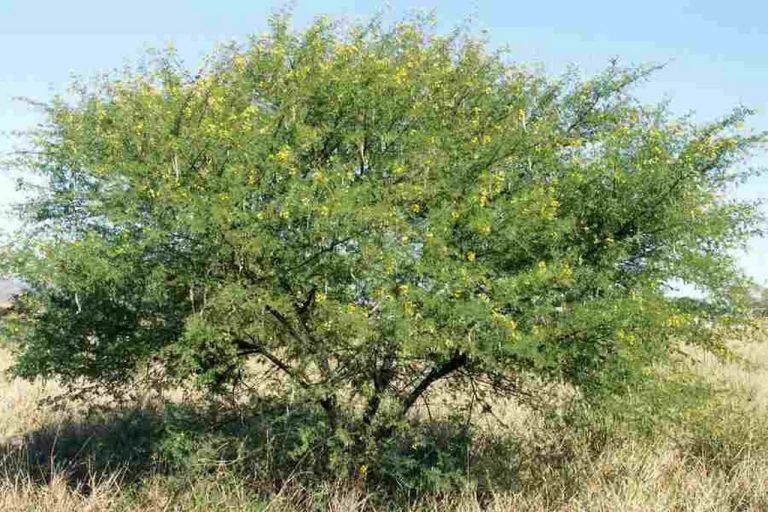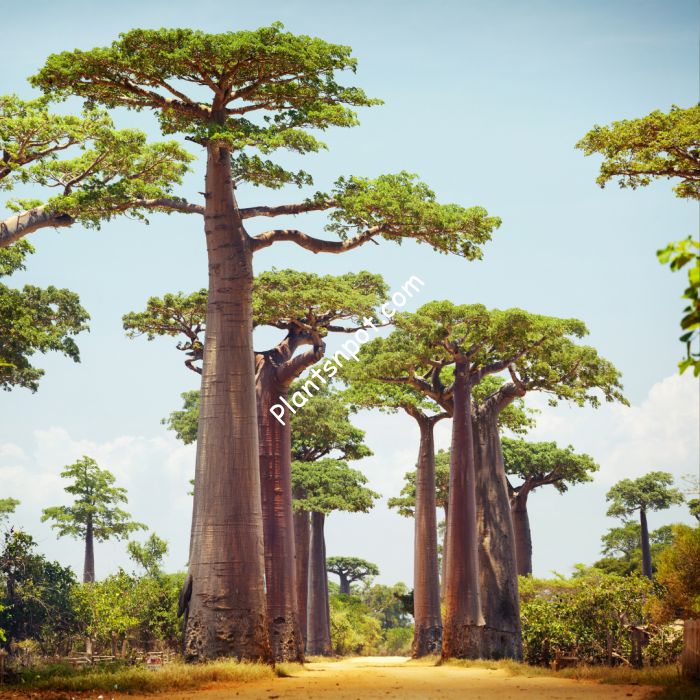
Description of Baobab
The Baobab (Adansonia) is a remarkable and iconic tree native to Africa, Madagascar, and Australia. Known for its massive trunk, which can store thousands of liters of water, it thrives in arid and semi-arid regions. Baobabs can live for thousands of years, earning them the nickname “Tree of Life” due to their longevity and the sustenance they provide. They produce nutrient-rich fruit called monkey bread, edible leaves, and seeds that are used for food, medicine, and oil. The tree’s unique, often upside-down-looking branches and enormous girth make it a symbol of resilience, wisdom, and survival in harsh environments.
History of Baobab
The Baobab tree (Adansonia) has been an integral part of African, Madagascan, and Australian landscapes for thousands of years. Fossil evidence suggests that baobabs have existed for at least millions of years, making them some of the oldest living trees on Earth. Traditionally, baobabs have held cultural, spiritual, and practical significance: communities have used their trunks as shelters, water storage, and meeting places, while their leaves, fruit, and seeds have been important sources of food, medicine, and materials. In African folklore, baobabs are often called the “Tree of Life” and feature in numerous myths, symbolizing wisdom, longevity, and resilience. Their distinctive appearance has made them a subject of exploration and admiration by travelers, botanists, and naturalists over centuries.
Types of Baobab
The Baobab tree (Adansonia) has several species, mostly found in Africa, Madagascar, and Australia. Here are the main types:
African Baobabs:
- Adansonia digitata – The most famous African baobab, known for its massive trunk and longevity. Native to mainland Africa.
- Adansonia kilima – Found in East Africa, slightly smaller than A. digitata and adapted to higher altitudes.
Madagascan Baobabs:
Madagascar is home to six unique species:
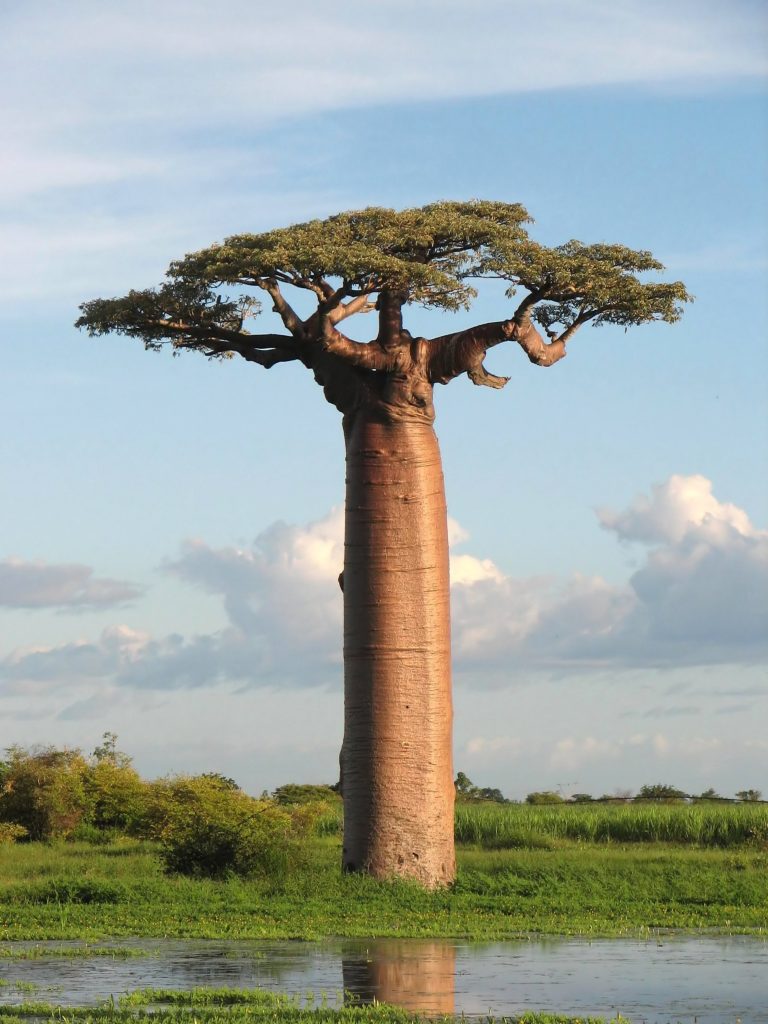
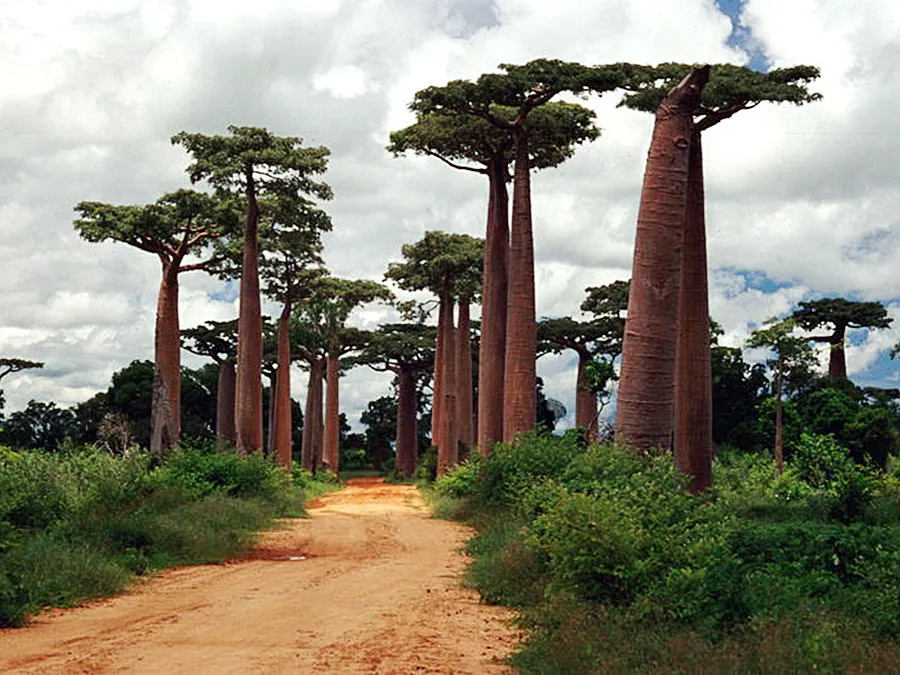
3. Adansonia grandidieri – Known as Grandidier’s baobab, with tall, column-like trunks.
4. Adansonia suarezensis – Found in northern Madagascar; smaller than A. grandidieri.
5. Adansonia madagascariensis – Native to southwestern Madagascar.
6. Adansonia perrieri – Critically endangered, with a thick trunk.
7. Adansonia rubrostipa – Known as the “Fony baobab,” distinctive for its reddish bark.
8. Adansonia za – Found in western Madagascar; also critically endangered.
Australian Baobab:
- Adansonia gregorii – Called the Australian boab, smaller than the African species and found in the Kimberley region.
Each species has unique characteristics, but all share the iconic swollen trunk, drought resistance, and long lifespan.
Uses of Baobab
Here’s a detailed overview of the uses of the Baobab tree:
1. Food
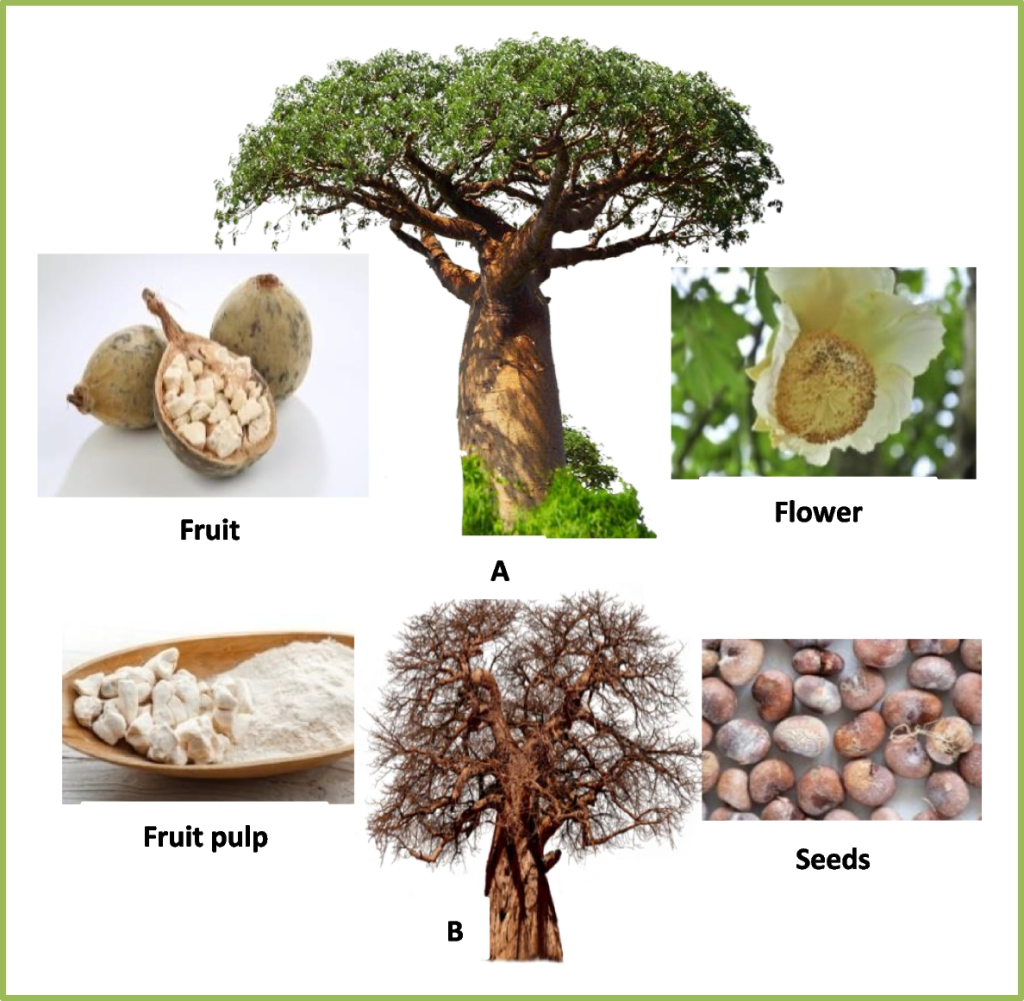
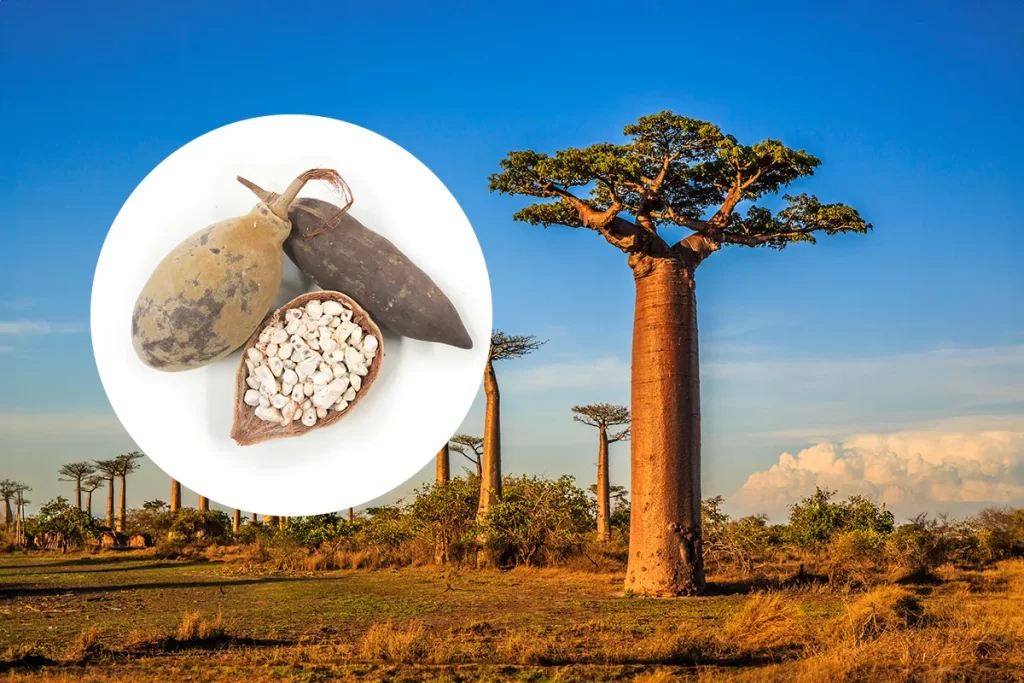
- Fruit (Monkey Bread): Rich in vitamin C, antioxidants, and fiber; used in juices, jams, and powders.
- Leaves: Edible when cooked, often used as a vegetable or in sauces.
- Seeds: Can be roasted or ground into a powder for cooking.
2. Medicine
- Leaves, bark, and seeds are traditionally used to treat fevers, diarrhea, malaria, and inflammation.
- The fruit pulp has immune-boosting and digestive benefits.
3. Water Storage
- The hollow trunks of mature baobabs can store large quantities of water, which helps during droughts.
4. Materials
- Bark is used to make rope, mats, cloth, and paper.
- Wood is soft and fibrous, suitable for crafting lightweight items.
5. Cultural & Spiritual Uses
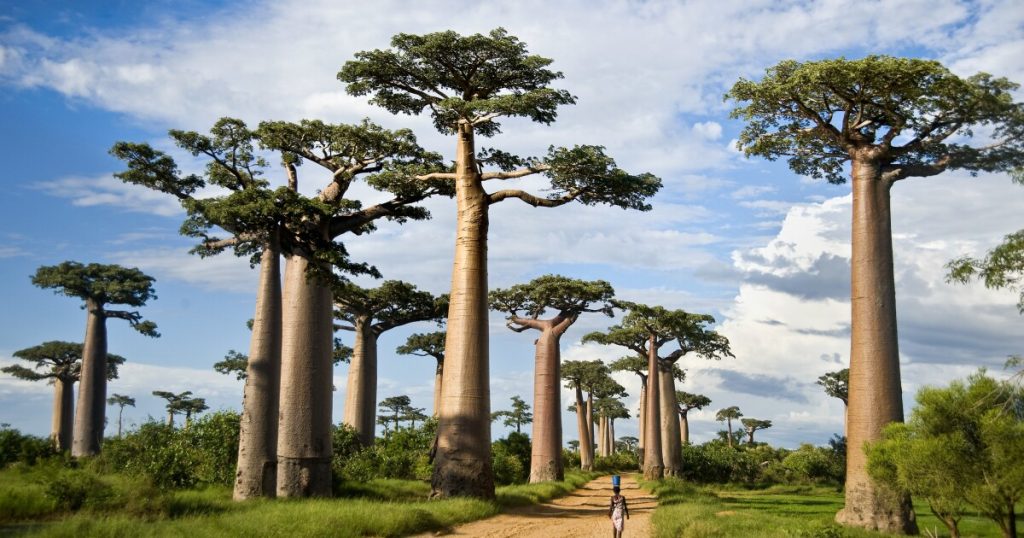
- Baobabs serve as landmarks, community meeting places, and sacred sites in African and Madagascan traditions.
6. Environmental Benefits
- Provides shelter for birds, bats, and insects.
- Helps prevent soil erosion and supports local ecosystems.
Benefits of Baobab
1. Nutritional Benefits
- Baobab fruit is rich in vitamin C, fiber, potassium, and antioxidants, supporting overall health.
- Its leaves and seeds provide essential nutrients and can be incorporated into daily diets.
2. Digestive Health
- High fiber content aids digestion, promotes healthy gut bacteria, and helps prevent constipation.
3. Immune Support
- Antioxidants and vitamin C in baobab strengthen the immune system and protect against infections.
4. Anti-inflammatory & Healing Properties
- Traditionally used to reduce inflammation, treat fevers, and support wound healing.
5. Energy & Hydration
- Nutrient-rich fruit powder provides natural energy and helps maintain hydration, especially in arid regions.
6. Environmental & Cultural Benefits
- Supports biodiversity by providing habitat for wildlife.
- Acts as a community resource in African and Madagascan cultures for food, medicine, and water.
About the Author