Description of Banyan Tree
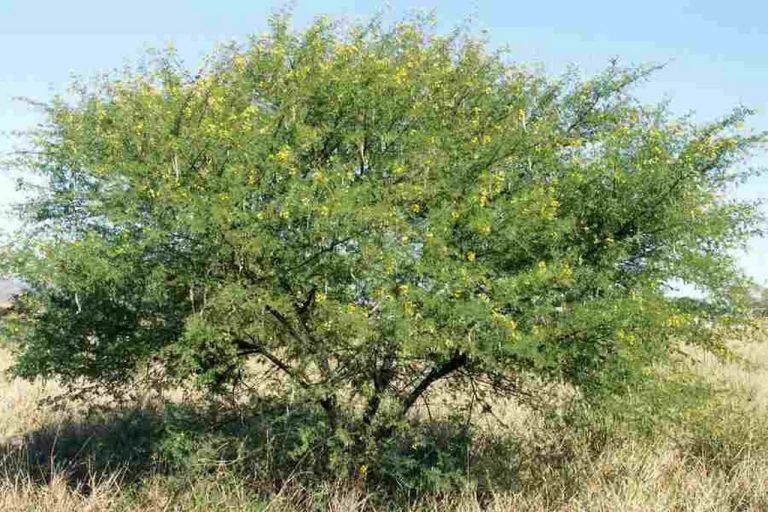
The Banyan tree (Ficus benghalensis) is a massive, evergreen tree known for its wide canopy and distinctive aerial roots that grow downward from its branches and take root in the soil. Over time, these roots thicken into strong trunks, allowing the tree to spread across a large area. The Banyan has broad, glossy green leaves and produces small fig-like fruits. Revered for its longevity and strength, it is often seen as a symbol of wisdom, shelter, and resilience in many cultures. Its expansive shade and unique structure make it one of the most recognizable and majestic trees in the world.
History of the Banyan Tree
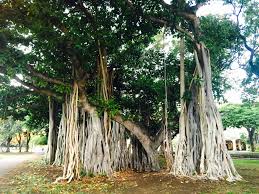
The banyan tree (Ficus benghalensis) has a long and rich history rooted in the cultural, spiritual, and natural heritage of South Asia. Native to the Indian subcontinent, the banyan has been revered for thousands of years due to its massive size, longevity, and symbolic meaning.
Ancient Origins
- The banyan belongs to the fig family and has been growing naturally across India, Pakistan, Bangladesh, Sri Lanka, and Myanmar for centuries.
- It was first described in ancient texts like the Vedas, Puranas, and Buddhist scriptures, where it is mentioned as a sacred and life-giving tree.
- Its unique growth pattern—forming aerial roots that become new trunks—made it a symbol of immortality and endless expansion.
Historical Usage
- The name “banyan” comes from the word “bania” (merchant). European travelers observed Indian traders conducting business under the shade of these trees, mistakenly thinking the tree itself was called “banyan.”
- Banyan trees were planted along trade routes and in village centers for shade, rest, and community gatherings.
- Over centuries, they became symbols of wisdom, stability, and shelter.
Types of Banyan Tree
1. Ficus benghalensis (Indian Banyan)
- The most famous and widely recognized type.
- Native to India, Pakistan, Bangladesh, and Sri Lanka.
- Known for large canopy, multiple trunks, and extensive aerial roots.
- It is the National Tree of India.
2. Ficus religiosa (Sacred Fig / Peepal Tree) – related species
- Often associated with banyan due to cultural significance and similar growth habits.
- Not a true banyan, but many people include it in the banyan group.
- Sacred in Hinduism and Buddhism.
3. Ficus microcarpa (Chinese Banyan / Indian Laurel Fig)
- Smaller than the Indian banyan.
- Common in Southeast Asia, southern China, and tropical regions.
- Often used for ornamental planting in cities and parks.
- Popular for bonsai.
4. Ficus citrifolia (Shortleaf Fig / Cuban Banyan)
- Native to the Caribbean, Florida, and Central America.
- Grows like a banyan with aerial roots forming multiple trunks.
- Common in tropical landscaping.
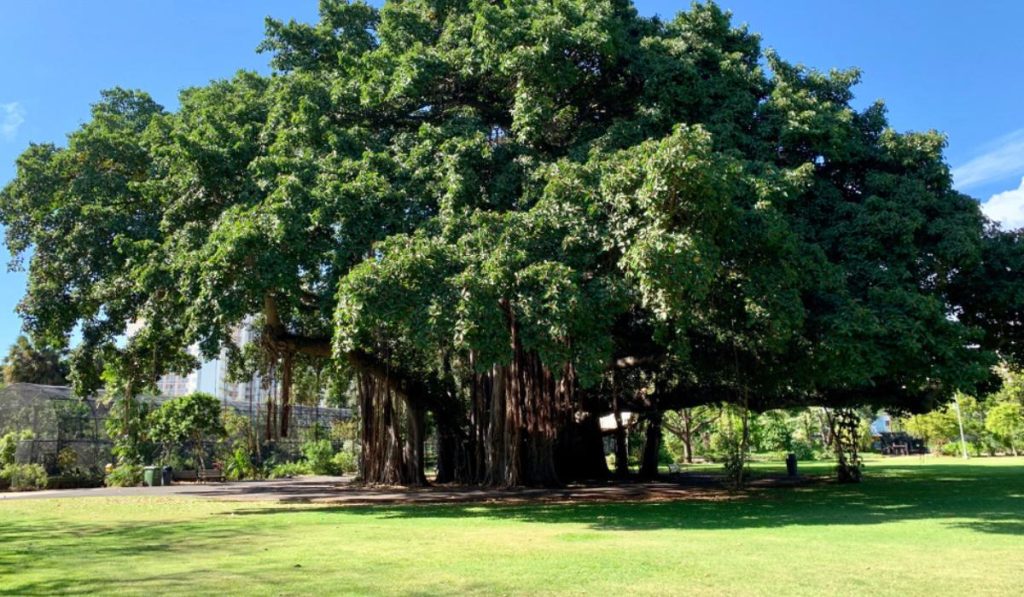
5. Ficus macrophylla (Moreton Bay Fig)
- Found in Australia.
- Huge buttress roots and a wide canopy.
- Grows similarly to a banyan and forms aerial roots in humid climates.
Uses of Banyan Tree
1. Medicinal Uses
- Bark: Used to treat diabetes, diarrhea, dysentery, and skin diseases.
- Leaves: Can help with wounds, ulcers, and inflammation.
- Aerial roots: Sometimes used in traditional medicine for bleeding gums and oral health.
- Fruit: The fig-like fruit is mildly laxative and can aid digestion.
2. Environmental Uses
- Provides shade and shelter due to its large canopy.
- Prevents soil erosion with extensive roots.
- Acts as a natural air purifier, absorbing carbon dioxide and releasing oxygen.
- Supports biodiversity: home for birds, bats, and insects.
3. Cultural and Religious Uses
- Planted near temples and sacred sites in India and Pakistan.
- Symbol of immortality, knowledge, and community.
- Leaves, bark, and roots are used in rituals and traditional ceremonies.
4. Economic Uses
- Wood: Though not very hard, it is used for making furniture, tools, and carvings in rural areas.
- Ornamental planting in parks, gardens, and streets due to its grandeur.
- Aerial roots can sometimes be used for rope-making in traditional settings.
5. Community and Social Uses
- Villages traditionally use banyan trees as a meeting place or shade for gatherings.
- Acts as a landmark in towns and villages.
About the Author