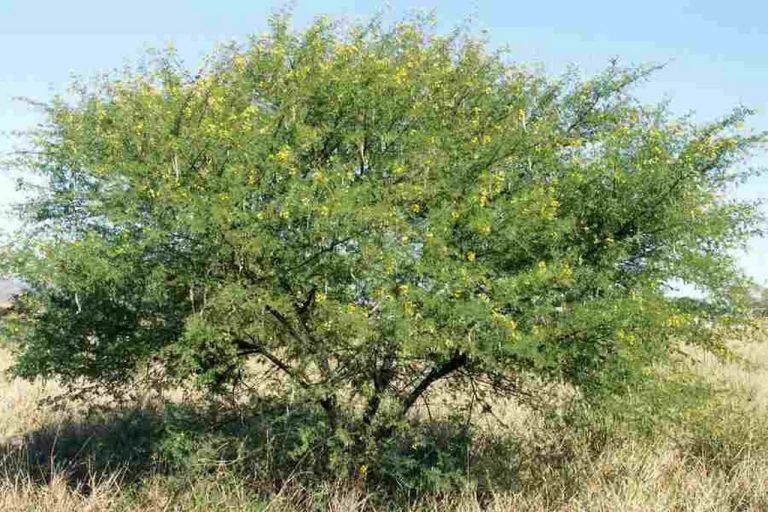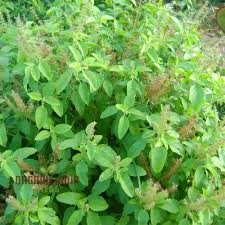
Description of Tulasi
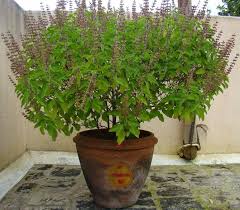
Tulasi, also known as Holy Basil, is a sacred aromatic herb highly valued in Ayurveda and traditional medicine. It has smooth green or purple leaves with a strong, pleasant fragrance. Tulasi is often grown in homes and temples because it is believed to bring purity, protection, and spiritual energy. The plant contains powerful medicinal compounds that help boost immunity, relieve stress, improve breathing, and support overall wellness. Known as the “Queen of Herbs,” Tulasi is both a spiritual symbol and a natural healer.
History of Tulasi
Tulasi, or Holy Basil, has been revered in India for thousands of years. Its mention appears in ancient texts such as the Vedas (over 5,000 years old), where it is described as a sacred plant with spiritual and medicinal significance. Tulasi is considered an earthly manifestation of the goddess Tulasi or Vrinda, symbolizing purity, devotion, and protection.
In Hindu tradition, Tulasi is worshipped daily, and growing it in homes and temples is believed to bring health, peace, and spiritual blessings. Ancient Ayurvedic texts like the Charaka Samhita and Sushruta Samhita describe Tulasi as a remedy for respiratory ailments, fevers, and digestive problems.
Over time, Tulasi spread beyond India to other parts of Asia, Africa, and Europe, valued for its medicinal properties, aromatic leaves, and sacred status. Today, Tulasi remains a key herb in Ayurveda, home remedies, and spiritual practices worldwide.
🌿Types of Tulasi
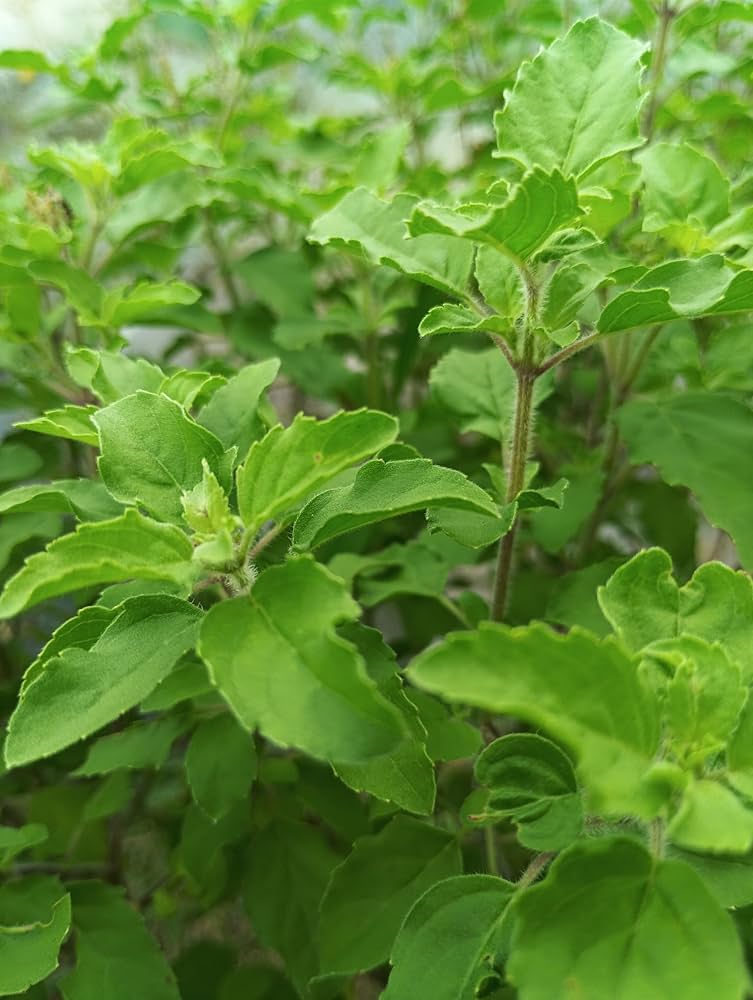
1. Rama Tulasi (Ocimum sanctum – Green Tulasi)
- Bright green leaves
- Mild aroma
- Most commonly used for worship and medicinal purposes
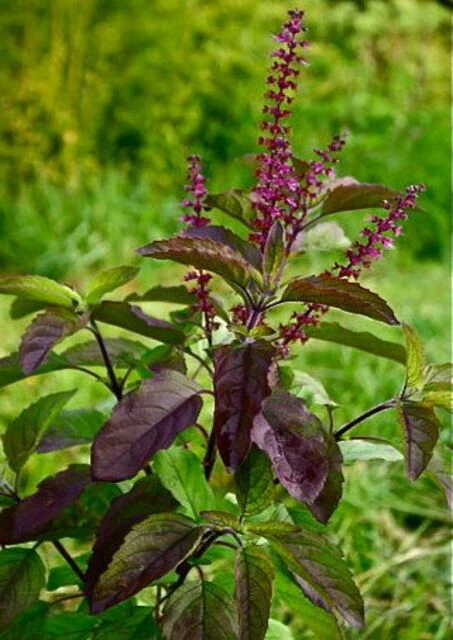
2. Krishna Tulasi (Ocimum tenuiflorum – Dark/Purple Tulasi)
- Deep purple or dark green leaves
- Stronger aroma
- Often used in religious rituals and for medicinal extracts
3. Vana Tulasi (Wild Tulasi)
- Grows naturally in the wild
- Leaves are smaller, and aroma is mild
- Highly valued in Ayurveda for its strong medicinal properties
4. Kapuri Tulasi
- Rare variety with a distinctive fragrance
- Often used for making essential oils and perfumes
- Medicinal properties similar to Rama and Krishna Tulasi
5. Ajowan Tulasi (Rare Regional Varieties)
- Sometimes found in specific regions of India
- Used locally for herbal remedies and spiritual purposes
🌿 Uses of Tulasi
1. Medicinal Uses
- Boosts immunity and fights infections
- Relieves cough, cold, and respiratory problems
- Helps reduce fever and inflammation
- Aids digestion and relieves stomach issues
- Supports stress relief and mental well-being
2. Skin and Hair Care
- Helps treat acne and skin irritations
- Acts as a natural antiseptic for wounds
- Can strengthen hair roots and reduce dandruff
3. Spiritual and Religious Uses
- Leaves are used in daily worship and rituals
- Believed to purify the environment and bring positive energy
- Often planted around homes and temples for protection
4. Household Uses
- Leaves can be used to make herbal tea for health benefits
- Can be added to natural remedies, syrups, and essential oils
- Acts as a natural air purifier when grown indoors
5. Aromatherapy and Wellness
- Tulasi essential oil is used in aromatherapy for relaxation
- Its aroma helps reduce stress, anxiety, and fatigue
🌿 Benefits of Tulasi
1. Boosts Immunity
Tulasi is rich in antioxidants and antimicrobial compounds that strengthen the immune system and help fight infections.
2. Improves Respiratory Health
It helps relieve cough, cold, asthma, and other respiratory issues by clearing congestion and soothing the airways.
3. Reduces Stress and Anxiety
Tulasi has adaptogenic properties that help the body cope with stress, improve mental clarity, and reduce anxiety.
4. Supports Heart Health
Regular consumption of Tulasi may help lower blood pressure and cholesterol levels, promoting cardiovascular health.
5. Aids Digestion
It helps in digestion, reduces acidity, and can relieve stomach cramps and indigestion.
6. Anti-inflammatory and Pain Relief
Tulasi reduces inflammation, alleviates joint pain, and helps in conditions like arthritis.
7. Skin Health
Tulasi’s antibacterial and antifungal properties help treat acne, eczema, and other skin irritations.
8. Detoxifies the Body
Tulasi helps remove toxins, purifies blood, and supports liver function.
9. Balances Blood Sugar
It may help regulate blood sugar levels in people with mild diabetes.
10. Spiritual and Emotional Benefits
Growing or keeping Tulasi is believed to purify the environment, bring positivity, and enhance spiritual well-being.
About the Author