Description of Niazbo
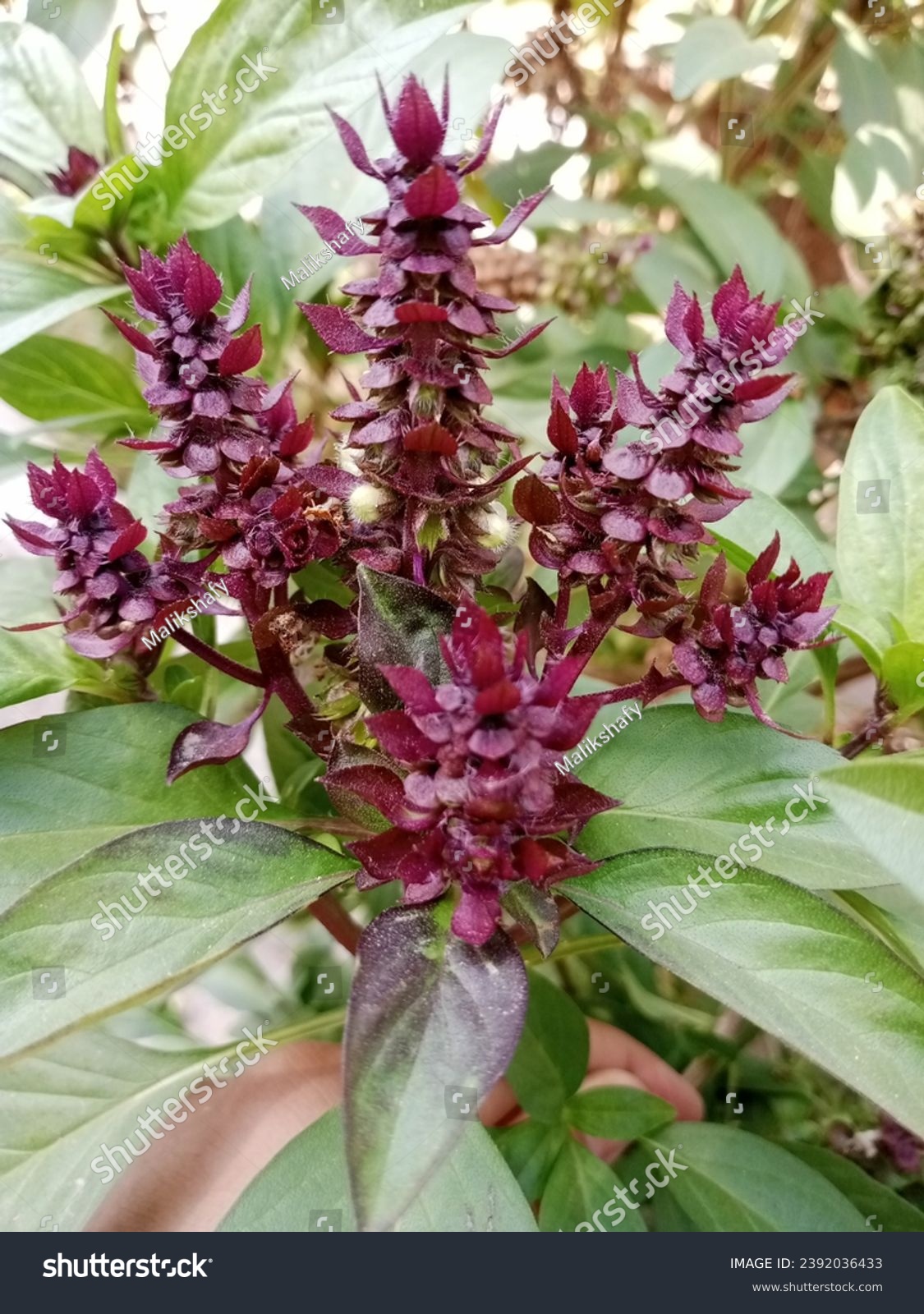
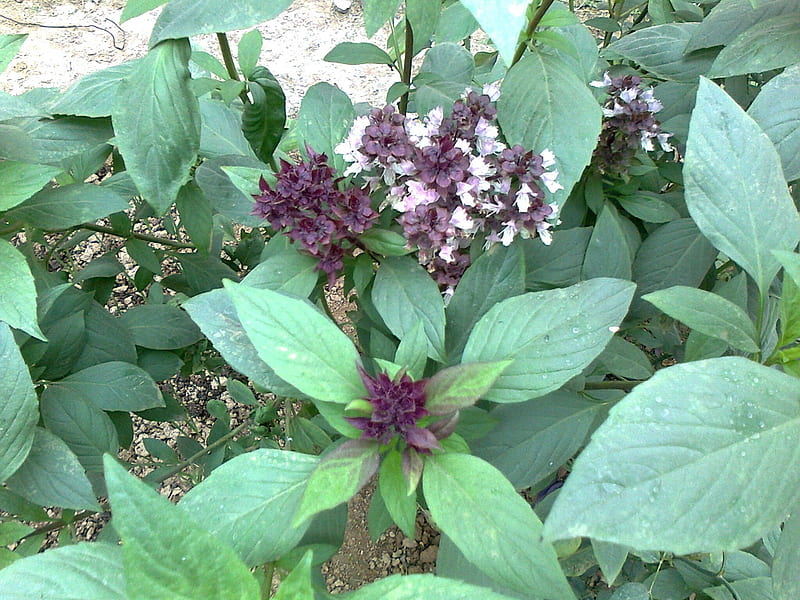
Niazbo, commonly known as Basil (Ocimum basilicum), is a fragrant herb belonging to the mint family Lamiaceae. It is widely grown in warm regions and is valued for its aromatic leaves, which are used both fresh and dried. The plant usually grows as a small bush with soft green leaves and tiny white or purplish flowers.
Niazbo is well known for its culinary importance, especially in Asian, Mediterranean, and Middle Eastern cuisines, where it adds flavor and aroma to curries, sauces, soups, and salads. Along with its use in cooking, it holds an important place in traditional medicine. The leaves contain essential oils, antioxidants, and antibacterial compounds that help improve digestion, reduce inflammation, and strengthen immunity.
History of Niazbo
The history of Niazbo, commonly known as Basil (Ocimum basilicum), dates back thousands of years. It is believed to have originated in tropical regions of Asia and Africa, where it was first cultivated for its medicinal and aromatic properties. Ancient civilizations valued Niazbo not only as a herb but also as a sacred plant.
In ancient India, Niazbo was used in Ayurvedic medicine for treating digestive problems, infections, and respiratory illnesses. It was also considered a symbol of purity and protection. From Asia, the herb spread to the Middle East and Egypt, where it was used in religious rituals, perfumes, and even in embalming practices.
The Greeks and Romans later adopted Niazbo and played a major role in spreading it across Europe. They used it as a culinary herb and believed it had healing and protective powers. During the Middle Ages, basil was grown in monastery gardens and used as a remedy for various ailments.
Types of Niazbo
Here are the main types of Niazbo (Basil – Ocimum basilicum), commonly grown and used around the world:
🌿 Common Types of Niazbo
- Sweet Basil
The most common type of Niazbo. It has soft green leaves and a mild, sweet aroma. Widely used in cooking, especially in curries, sauces, and salads. - Thai Basil
Has narrow, pointed leaves with a strong, spicy flavor and hints of licorice. Popular in Asian and Thai cuisine. - Holy Basil (Tulsi / Sacred Basil)
Known for its medicinal and religious importance. It has a strong aroma and is commonly used in herbal remedies and teas. - Lemon Basil
Features a fresh lemon-like fragrance and taste. Often used in teas, soups, and light dishes. - Purple Basil
Recognized by its deep purple leaves. Used mainly for decoration, salads, and flavoring vinegar.
These different types of Niazbo vary in taste, aroma, appearance, and uses, making basil a versatile and widely loved herb.
Uses of Niazbo
1. Culinary Uses
- Used fresh or dried to flavor curries, vegetables, soups, sauces, and salads
- Common ingredient in Asian, Middle Eastern, and Mediterranean dishes
- Used in making herbal teas, chutneys, and spice mixes
2. Medicinal Uses
- Helps improve digestion and relieve stomach pain
- Used to treat coughs, colds, and respiratory problems
- Has antibacterial and anti-inflammatory properties
- Helps reduce stress and fatigue in traditional medicine
3. Herbal & Home Remedies
- Basil tea is used for soothing the throat and boosting immunity
- Leaves are used in natural remedies for headaches and fever
- Basil oil is used for massage and aromatherapy
4. Religious & Cultural Uses
- In some cultures, Niazbo is considered a sacred plant
- Used in prayers, rituals, and traditional ceremonies
5. Gardening & Household Uses
- Grown in home gardens for its pleasant fragrance
- Acts as a natural insect repellent
- Used as an ornamental plant due to its attractive leaves and flowers
Benefits of Niazbo
1. Improves Digestion
- Helps relieve indigestion, gas, and stomach cramps
- Supports healthy digestion and appetite
2. Boosts Immunity
- Rich in antioxidants that strengthen the immune system
- Helps the body fight infections and illnesses
3. Relieves Cough and Cold
- Soothes sore throat and reduces cough
- Useful in treating colds, flu, and respiratory problems
4. Reduces Stress and Anxiety
- Has calming properties that help reduce mental stress
- Basil tea is often used for relaxation
5. Anti-Inflammatory Properties
- Helps reduce inflammation and body pain
- Beneficial for joint pain and mild arthritis
About the Author