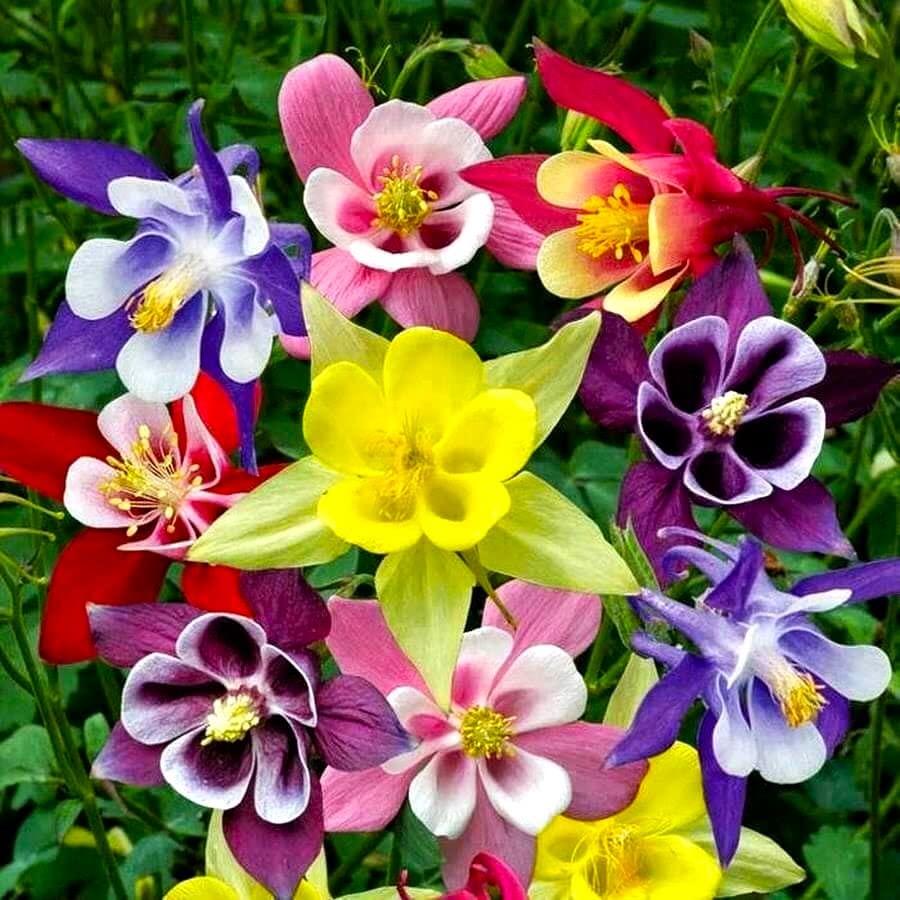
Description of the Columbine Flower:
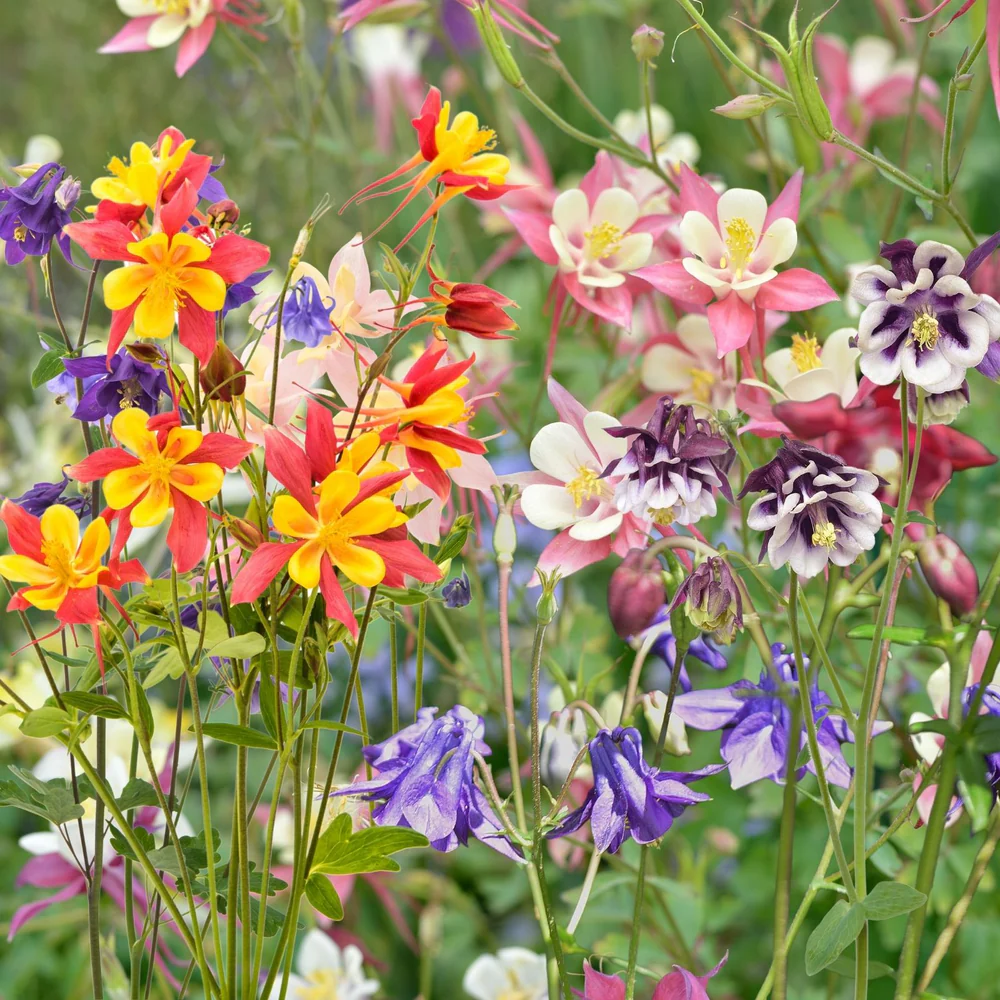
The Columbine flower (Aquilegia) is a delicate and graceful bloom known for its unique, star-like shape and elegant spurred petals. It often features two contrasting colors, giving it a striking and ornamental appearance. Columbines bloom in spring and early summer, attracting bees, butterflies, and hummingbirds with their nectar-filled spurs. Found in gardens, woodlands, and mountainous regions, the Columbine flower symbolizes strength, beauty, and resilience. Its soft, airy form and vibrant hues make it a captivating highlight of any natural landscape.
History of the Columbine Flower:
The Columbine flower (Aquilegia) has a rich history dating back thousands of years. Its name comes from the Latin word “columba”, meaning dove, because the flower’s petals resemble a group of doves gathered together. In ancient times, Columbines were admired across Europe, especially in regions such as the Alps and woodlands, where they grew naturally.
Today, the Columbine flower remains cherished for its beauty, cultural symbolism, and long-standing presence in both gardens and folklore.
Types of the Columbine Flower:
1. Aquilegia vulgaris (European Columbine)
- The most common species in Europe.
- Comes in many colors: purple, blue, pink, and white.
- Often seen in cottage gardens.
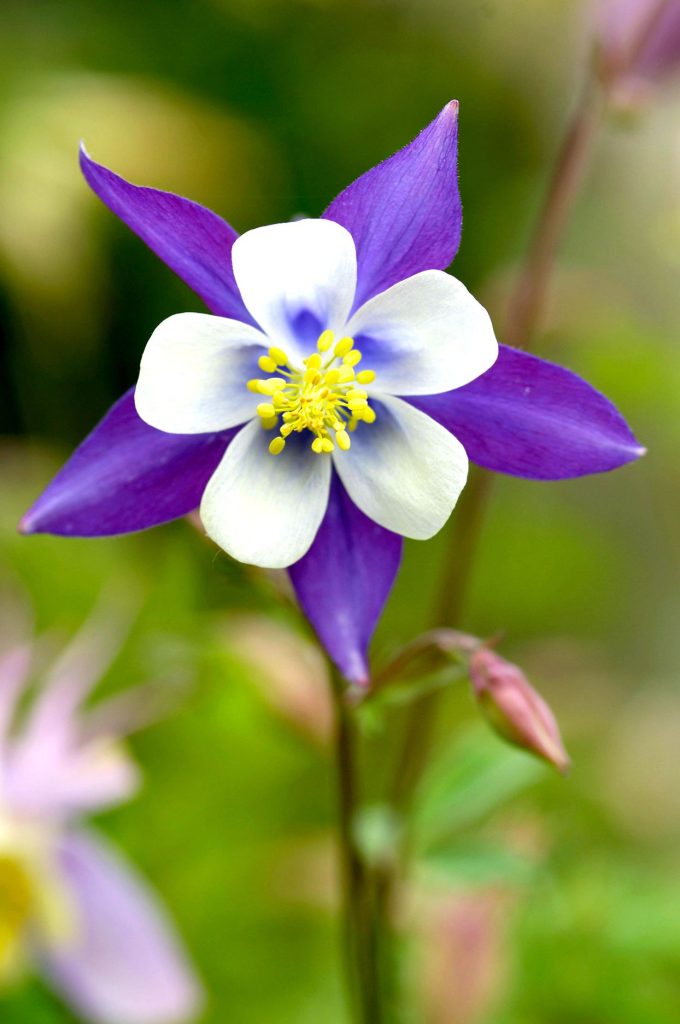
2. Aquilegia caerulea (Rocky Mountain Columbine)
- Famous blue-and-white variety.
- State flower of Colorado, USA.
- Known for its long spurs and striking bicolor petals.
3. Aquilegia canadensis (Eastern Red Columbine)
- Native to North America.
- Red and yellow petals.
- Very attractive to hummingbirds.
4. Aquilegia flabellata (Fan Columbine)
- A compact dwarf species.
- Commonly used in rock gardens.
- Usually blue and white.
5. Aquilegia chrysantha (Golden Columbine)
- Bright yellow blooms.
- Known for its long spurs.
- Grows well in warm, sunny climates.
Uses of the Columbine Flower:
1. Ornamental Use
- Columbine is widely grown in gardens, borders, and rock gardens.
- Its unique spurred petals and bright colors make it a favorite decorative plant.
- Attracts bees, butterflies, and hummingbirds, adding life to the garden.
2. Symbolic and Cultural Use
- Historically used in artwork and poetry to symbolize love, purity, courage, and beauty.
- Used in floral arrangements and decorative displays.
3. Traditional Medicinal Use (Historical Only)
Note: Columbine is mildly toxic, so it should not be used as modern medicine without proper guidance.
- Native Americans once used small amounts of the flower or seeds for digestive issues, headaches, and fever.
- Crushed seeds were used as a topical treatment for skin issues.
4. Ecological Use
- Supports garden ecosystems by providing nectar for pollinators.
- Helps in biodiversity by thriving in woodland and mountain habitats.
Benefits of the Columbine Flower:
1. Attracts Pollinators
- Columbine flowers are rich in nectar.
- They attract bees, butterflies, and hummingbirds, helping improve pollination in gardens.
2. Enhances Garden Beauty
- Their unique star-like shape and two-toned colors add elegance, charm, and visual interest.
- Ideal for making gardens look lively and colorful.
3. Supports Biodiversity
- Provides food for insects and birds.
- Helps maintain a healthy and balanced natural ecosystem.
4. Low Maintenance Plant
- Columbines grow easily in poor or rocky soil.
- They tolerate partial shade and require little care, making them beneficial for gardeners.
5. Symbolic and Emotional Benefits
- Often symbolizes strength, hope, courage, and beauty, giving emotional value in art and culture.
- Used in bouquets and decorations to bring a sense of peace and elegance.
About the Author