Description of Ginger
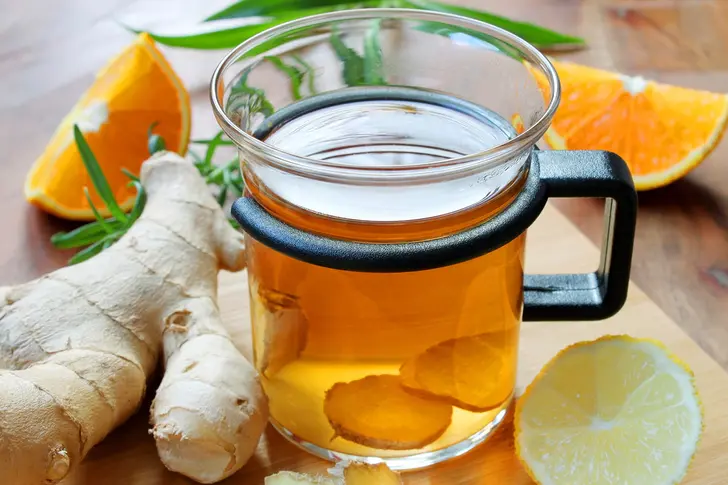
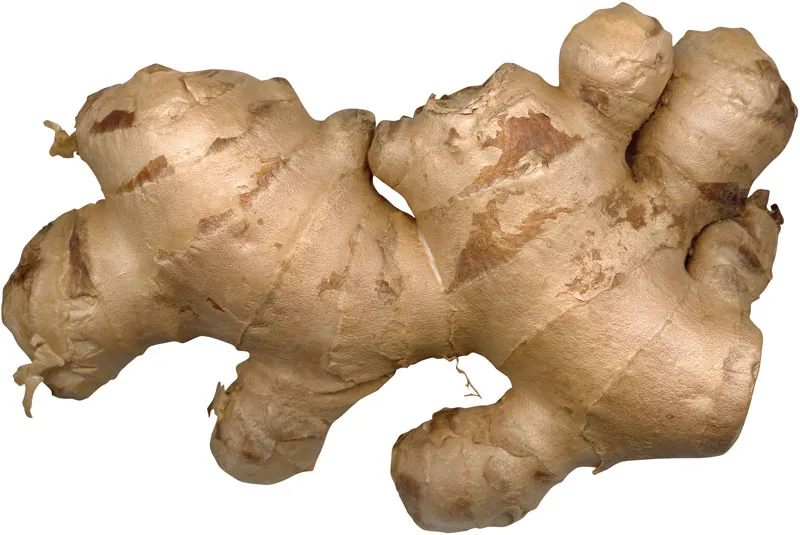
Ginger (Zingiber officinale) is a fragrant, spicy root widely used as both a culinary ingredient and a natural remedy. It has a knobby, light-brown outer skin and a pale yellow interior with a strong, warm aroma. Ginger has a sharp, slightly sweet, and peppery flavor that adds depth to foods, teas, and herbal preparations. Rich in antioxidants and beneficial compounds like gingerol, it is known for supporting digestion, reducing inflammation, and boosting overall wellness. Whether used fresh, dried, powdered, or as an essential oil, ginger remains a versatile and powerful plant cherished around the world.
History of Ginger
Ginger (Zingiber officinale) is one of the oldest cultivated spices in the world, with a history that dates back over 5,000 years. It is believed to have originated in Southeast Asia, particularly India and China, where it was valued for both its culinary and medicinal properties. Ancient Chinese and Indian texts mention ginger as a remedy for digestive issues, nausea, and inflammation.
By the Middle Ages, ginger had spread to the Middle East and Europe via trade routes, becoming a prized spice in medieval kitchens and medicine. Arab traders introduced it to the Mediterranean, and later, European explorers carried it to the Americas. Over time, ginger became a staple in cuisines worldwide and a key ingredient in herbal medicine. Today, it continues to be celebrated for its flavor, health benefits, and cultural significance across the globe.
Uses of Ginger
- Culinary Uses
- Adds flavor to soups, stir-fries, curries, sauces, and marinades.
- Used in baked goods like gingerbread, cookies, and cakes.
- Fresh or powdered ginger is used in teas, smoothies, and beverages for a spicy kick.
- Medicinal Uses
- Relieves nausea, including morning sickness and motion sickness.
- Aids digestion and reduces bloating or gas.
- Helps reduce inflammation and pain, such as in arthritis.
- Supports immune health and helps fight colds or flu.
- Aromatic & Therapeutic Uses
- Used in essential oils for aromatherapy to reduce stress and boost energy.
- Included in herbal compresses and ointments for muscle relief.
- Preservation & Condiments
- Pickled ginger is popular in Asian cuisine.
- Candied or crystallized ginger is used as a sweet treat or snack.
- Cosmetic Uses
- Added to shampoos and skin-care products for its antioxidant and antimicrobial properties.
Benefits of Ginger
- Aids Digestion – Helps relieve bloating, indigestion, and constipation.
- Reduces Nausea – Effective against morning sickness, motion sickness, and chemotherapy-related nausea.
- Anti-Inflammatory – Contains gingerol, which helps reduce inflammation and joint pain.
- Boosts Immunity – Has antimicrobial and antioxidant properties that support the immune system.
- Relieves Pain – Can reduce menstrual pain, headaches, and muscle soreness.
- Supports Heart Health – May help lower blood pressure and improve circulation.
- Controls Blood Sugar – Helps regulate blood sugar levels and may improve insulin sensitivity.
- Fights Cold & Flu – Provides warmth and relief from cold symptoms and congestion.
- Promotes Weight Management – Can help improve metabolism and reduce appetite.
- Improves Brain Function – Antioxidants in ginger may protect against age-related cognitive decline.
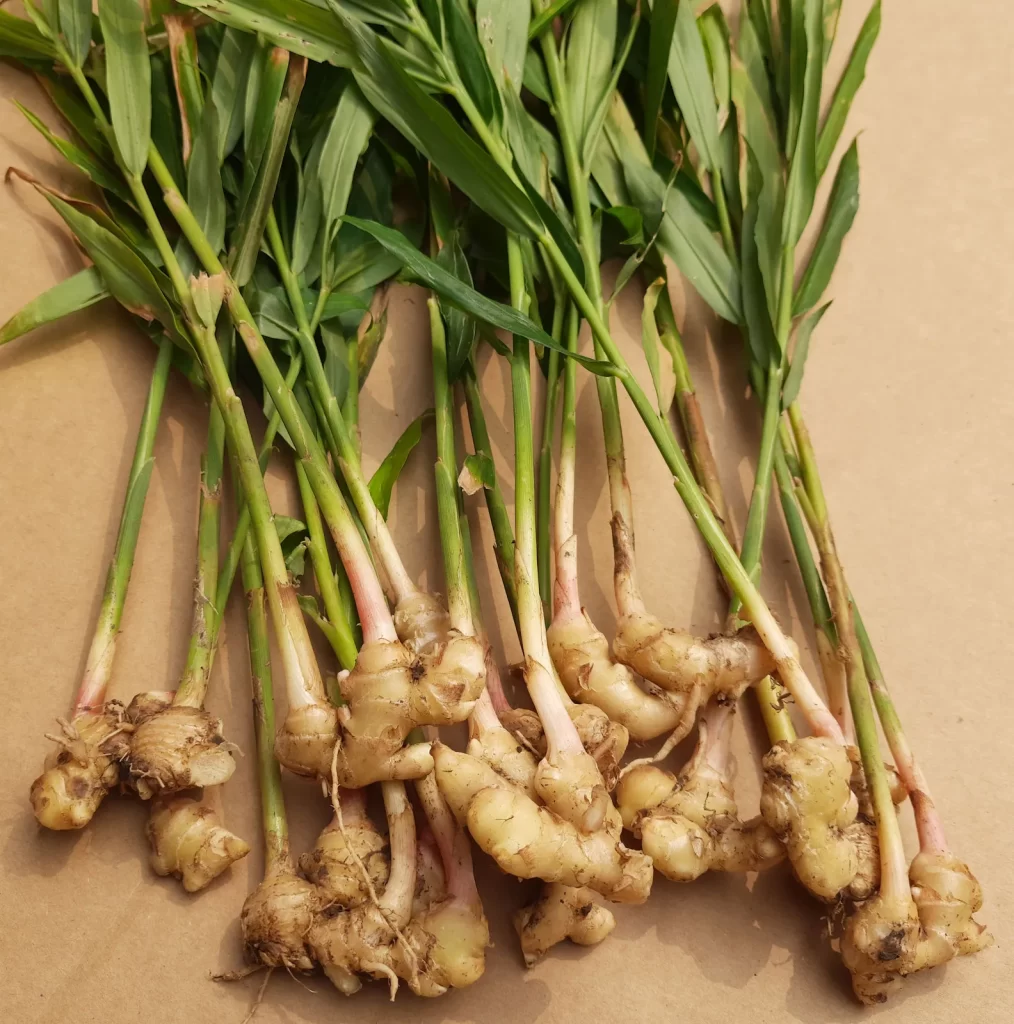
Types of Ginger
- Common Ginger (Zingiber officinale)
- The most widely used variety for cooking and medicinal purposes.
- Usually available fresh, dried, powdered, or as oil.
- Baby Ginger
- Young ginger harvested before maturity.
- Has a tender texture, mild flavor, and is less fibrous.
- Often used in pickles, salads, and delicate dishes.
- Yellow Ginger (Curcuma longa)
- Closely related to turmeric.
- Has a bright yellow color and is often used in traditional medicine and coloring foods.
- Japanese Ginger (Zingiber mioga)
- Grown mainly in Japan.
- The shoots and flower buds are edible and used in salads, soups, and garnishes.
- Chinese Ginger
- Typically larger, with a stronger flavor than common ginger.
- Widely used in Chinese cuisine and traditional medicine.
- Wild Ginger (Asarum spp.)
- Not true ginger but used similarly in some herbal remedies.
- Has a distinct aroma and is less commonly consumed.
About the Author