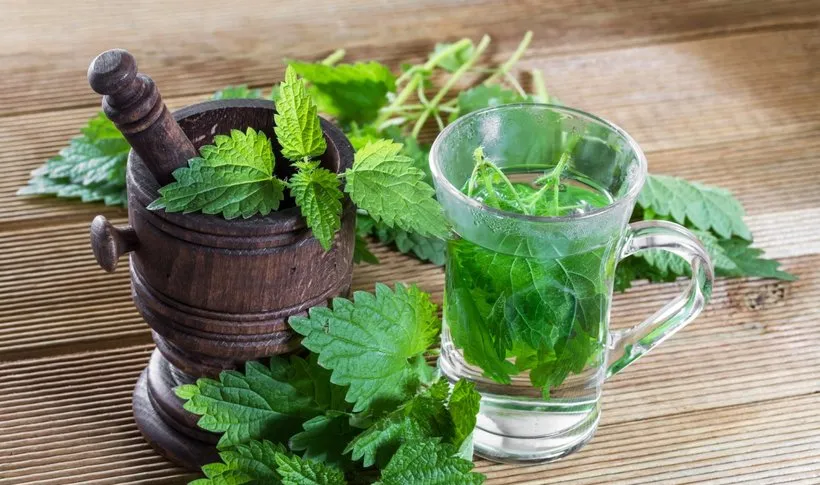
Description of Mint:
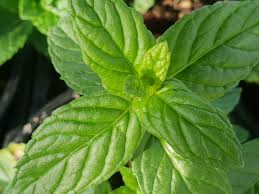
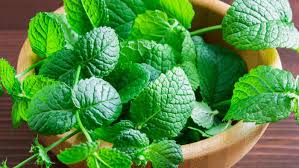
Mint is a fragrant, fast-growing perennial herb known for its cool, refreshing aroma and flavorful leaves. It belongs to the Lamiaceae (mint) family and is widely recognized for its bright green, serrated leaves and square-shaped stems. Mint plants thrive in moist soil and partial sunlight, spreading quickly through underground runners.
The leaves contain natural oils—especially menthol—which give mint its distinct cooling sensation and strong aroma. Because of this, mint is commonly used in teas, culinary dishes, medicines, and beauty products.
Fresh and soothing, mint is one of the most versatile herbs, valued for both its flavor and health benefits.
History of Mint:
Mint has one of the oldest documented histories in the world of herbs. Its use dates back over 3,000 years, with evidence found in ancient civilizations such as Egypt, Greece, Rome, and China.
Ancient Egypt
Mint was discovered in Egyptian tombs dating back to 1000 BCE. Egyptians used mint as a medicinal herb, mainly for stomach problems and as a fragrant offering.
Ancient Greece
In Greek mythology, mint is linked to the tale of Menthe, a nymph transformed into the mint plant. The Greeks used mint for:
- Perfumes
- Bathing rituals
- Medicinal teas
It was also sprinkled on tables to freshen the air
Ancient Rome
Romans valued mint for its aroma and taste. They used it in:
- Sauces and wines
- Room fragrances
- Medicinal mixtures
Roman physicians recommended mint for digestion and headaches.
China and Ayurveda
In ancient China and India, mint was used in traditional medicines for cooling the body, treating fevers, and aiding digestion.
Middle Ages
During medieval Europe, mint was used for:
- Cleaning teeth
- Treating burns
- Repelling insects
Its refreshing scent made it a popular household herb.
Benefits of Mint:
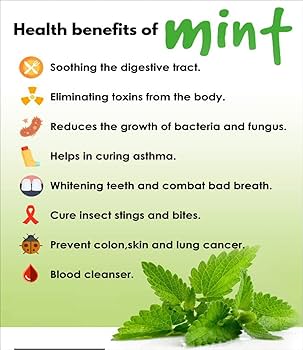
1. Aids Digestion
Mint helps relieve indigestion, gas, and bloating. Mint tea is commonly used to soothe the stomach.
2. Refreshes Breath
Its strong menthol content naturally freshens breath and kills odor-causing bacteria.
3. Relieves Headache
The cooling effect of mint can reduce headaches and migraines when used as oil or balm.
4. Boosts Immunity
Mint contains antioxidants and vitamins that help strengthen the immune system.
5. Reduces Stress
The aroma of mint has calming effects that help relax the mind and reduce stress.
6. Clears Nasal Congestion
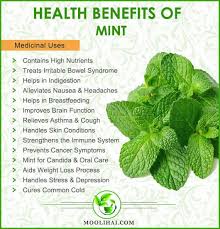
Menthol in mint helps open blocked nose passages and provides relief from colds and cough.
7. Improves Skin Health
Mint has antibacterial and anti-inflammatory properties that help treat acne and soothe irritated skin.
8. Helps in Weight Management
Mint can improve digestion and boost metabolism, which may support weight control.
9. Good for Oral Health
It helps prevent gum infections and keeps the mouth clean and fresh.
10. Supports Brain Function
Studies suggest mint aroma may improve alertness and memory.
Uses of Mint:
1. Culinary Uses
- Adds flavor to teas, drinks, and smoothies.
- Used in salads, sauces, and desserts.
- Common in Indian, Middle Eastern, and Mediterranean dishes.
2. Medicinal Uses
- Relieves indigestion, nausea, and bloating.
- Helps soothe headaches and stress.
- Used in cough syrups, balms, and herbal remedies.
3. Cosmetic Uses
- Added to toothpaste, mouthwash, and chewing gums.
- Used in skin care products for cooling and anti-acne benefits.
- Included in hair care products to refresh the scalp.
4. Aromatherapy
- Mint essential oil is used in diffusers to relieve stress and mental fatigue.
- Helps improve focus and concentration.
5. Household Uses
- Acts as a natural insect repellent.
- Can be used to freshen rooms and laundry.
6. Beverage and Cocktails
- Popular in mojitos, lemonades, and iced teas.
- Used as a garnish for drinks and desserts.
About the Author