Description of Ginkgo Biloba
Ginkgo biloba, often called the maidenhair tree, is a unique and ancient deciduous tree known for its distinctive fan-shaped leaves and exceptional resilience. It is the only surviving species of a plant group that dates back more than 200 million years, making it one of the oldest living tree species on Earth.
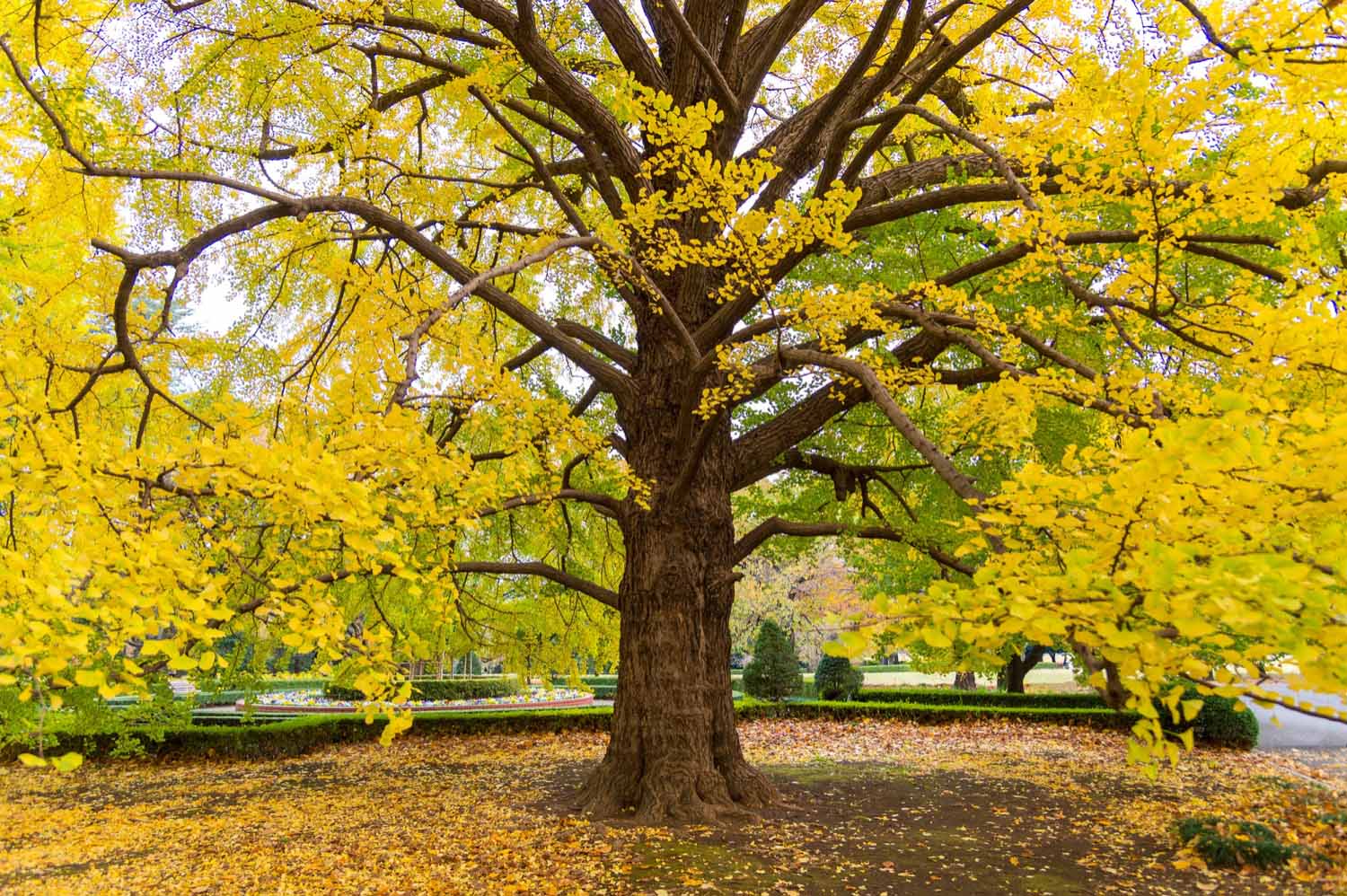
The tree grows upright with a strong, sturdy trunk and branches that form an open, elegant crown. Its bright green leaves turn a vibrant golden-yellow in autumn, creating a striking seasonal display. Ginkgo trees are highly adaptable, tolerant to pollution, pests, and harsh urban conditions, which makes them popular in city landscapes.
Ginkgo biloba is also well known for its medicinal properties. Its leaves contain powerful antioxidants that support brain health, memory, and circulation. Because of its beauty, longevity, and cultural significance, the Ginkgo is often considered a symbol of resilience, hope, and endurance.
History of Ginkgo Biloba
Ginkgo biloba, often called the “living fossil,” has one of the most extraordinary histories of any plant on Earth. Its lineage dates back more than 200 million years, to the time of the dinosaurs. Fossil records show that trees almost identical to today’s Ginkgo once covered large parts of the world during the Jurassic and Cretaceous periods.
After surviving multiple mass extinctions, the Ginkgo gradually disappeared from most regions and was believed to be extinct in the wild. However, it survived in remote mountain forests of China, where Buddhist monks cultivated and protected it for centuries. These ancient temple plantings are the reason the species still exists today.
Ginkgo trees became symbols of longevity, resilience, and spiritual purity in Chinese, Japanese, and Korean cultures. They were often planted near temples, palaces, and sacred places.
In the 18th century, Ginkgo biloba was brought to Europe and later to North America, where it quickly became valued for its beauty and resistance to pollution. One of the most famous demonstrations of its resilience occurred after the atomic bombing of Hiroshima in 1945, when several Ginkgo trees near the blast site survived and regrew—earning the tree global admiration as a symbol of hope and endurance.
Today, Ginkgo biloba is grown worldwide for its ornamental beauty and its medicinal uses, especially extracts from its leaves used in traditional and modern herbal medicine.
Types of Ginkgo Biloba
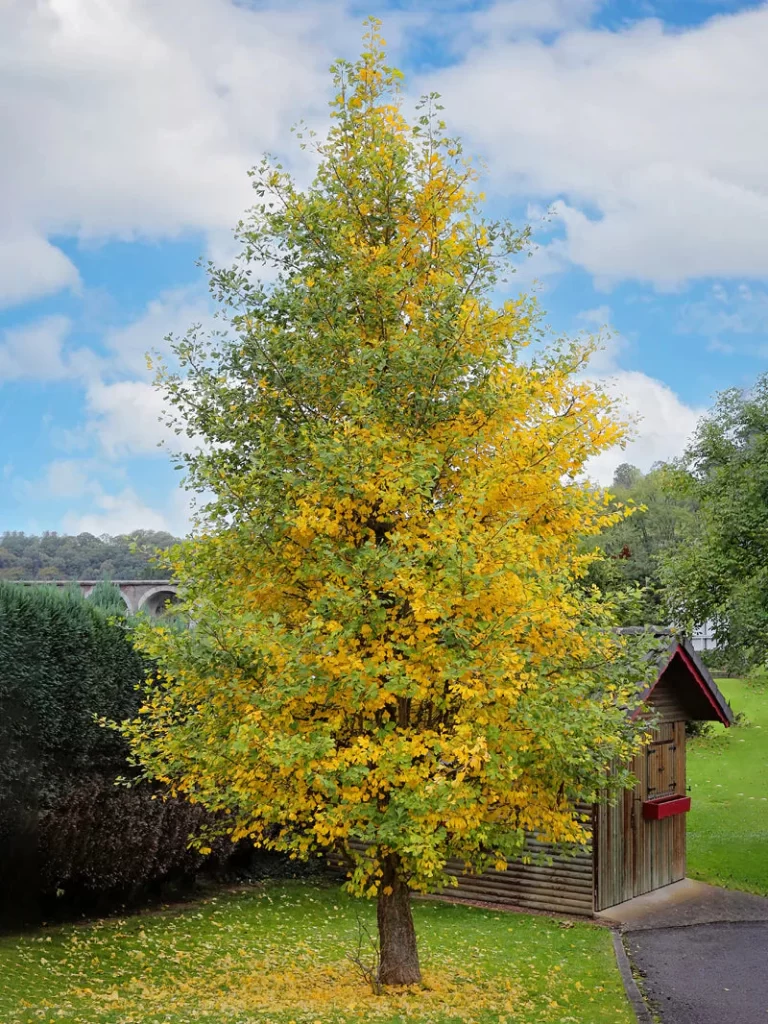
1. Ginkgo biloba ‘Autumn Gold’
- One of the most popular varieties
- Symmetrical, pyramidal shape
- Leaves turn a bright golden-yellow in fall
2. Ginkgo biloba ‘Princeton Sentry’
- Tall, narrow, column-like form
- Ideal for streets and small urban spaces
- Resistant to storm damage
3. Ginkgo biloba ‘Saratoga’
- Graceful, drooping leaves with a long, narrow shape
- More ornamental and elegant appearance
4. Ginkgo biloba ‘Fastigiata’
- Upright and compact
- Grows in a tight, vertical shape
- Great for small gardens or limited spaces
5. Ginkgo biloba ‘Mariken’
- A dwarf variety
- Dense, rounded growth
- Perfect for containers, small yards, or bonsai
Benefits of Ginkgo Biloba
1. Improves Memory and Brain Function
Ginkgo leaf extract is widely used to enhance memory, focus, and mental clarity. It increases blood flow to the brain, supporting cognitive health.
2. Supports Healthy Circulation
Ginkgo improves blood circulation throughout the body, which can help with cold hands and feet, leg pain, and overall vascular health.
3. Powerful Antioxidant Properties
Its leaves contain strong antioxidants that protect cells from damage caused by free radicals, supporting anti-aging and overall wellness.
4. Reduces Anxiety and Stress
Ginkgo may help calm the nervous system, reducing symptoms of stress, anxiety, and mental fatigue.
5. Enhances Eye Health
Improved blood flow to the eyes may help protect against age-related eye conditions and maintain healthy vision.
6. Supports Heart Health
By promoting circulation and reducing oxidative stress, Ginkgo contributes to healthier heart function.
7. Helps with Tinnitus (Ringing in the Ears)
Some people use Ginkgo to relieve tinnitus, vertigo, and balance problems, though results vary.
8. Anti-inflammatory Effects
Ginkgo helps reduce inflammation in the body, supporting joint health and overall immunity.
9. Boosts Energy and Mood
Better oxygen supply and improved blood flow can enhance mood, energy levels, and general vitality.
10. Supports Respiratory Health
Traditionally used to support lung function and help with cough, asthma, and breathing comfort.
About the Author