Description of Pine Tree
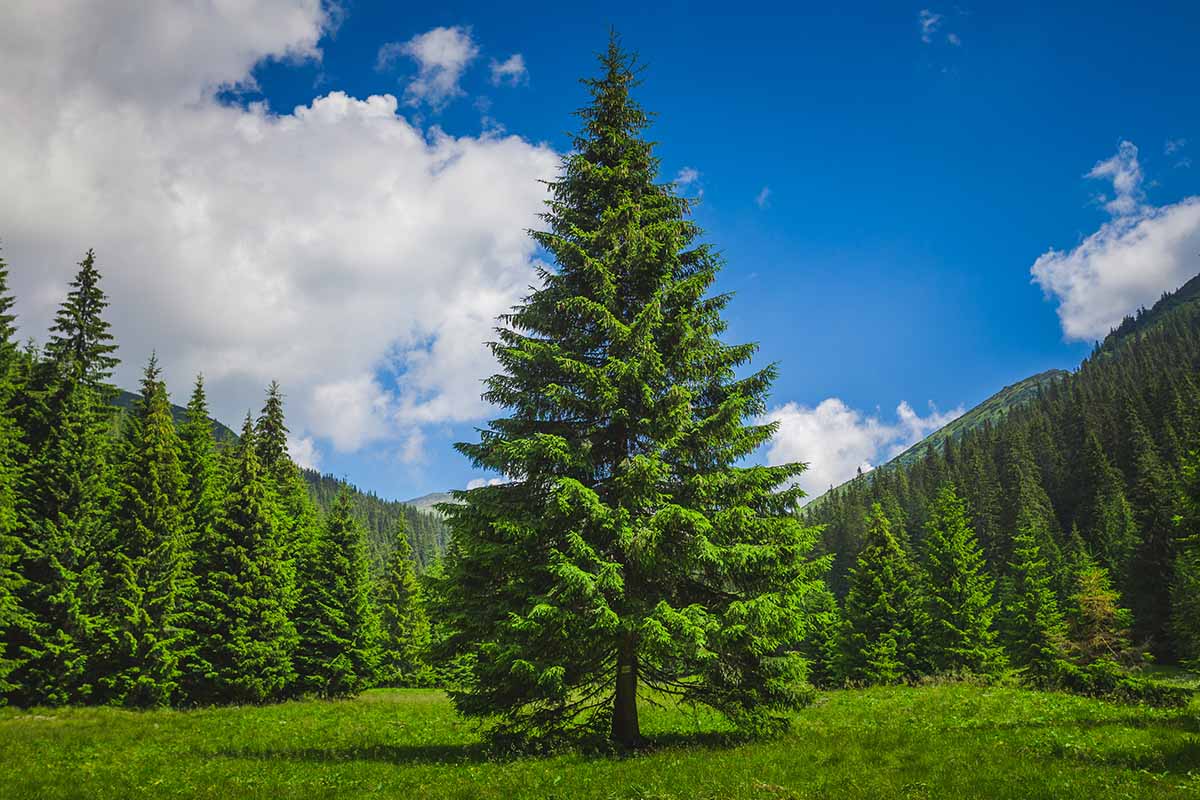
The pine tree is a tall, evergreen conifer belonging to the genus Pinus in the family Pinaceae. It is known for its straight trunk, conical shape, and needle-like leaves that remain green throughout the year. Pine needles grow in clusters (usually two, three, or five) and are adapted to survive cold, dry climates by reducing water loss.
Pine trees produce cones instead of flowers. The male cones release pollen, while the female cones develop into woody seed cones that contain pine seeds, often called pine nuts. The bark of pine trees is thick and scaly, helping protect the tree from harsh weather and pests.
History of Pine Tree
The pine tree has a long and ancient history that dates back over 150 million years, making it one of the oldest groups of trees on Earth. Fossil evidence shows that pine ancestors existed during the age of dinosaurs, and over time they adapted to survive in a wide range of climates, from cold mountains to dry, sandy soils.
Pine trees spread widely across the Northern Hemisphere, especially in Asia, Europe, and North America. In ancient civilizations, pines were valued for their strong wood and resin. The Egyptians used pine resin in embalming practices, while the Greeks and Romans used pine wood for shipbuilding, construction, and making tools. Pine resin was also used to produce pitch and tar, essential materials for waterproofing ships and buildings.
Types of Pine Tree
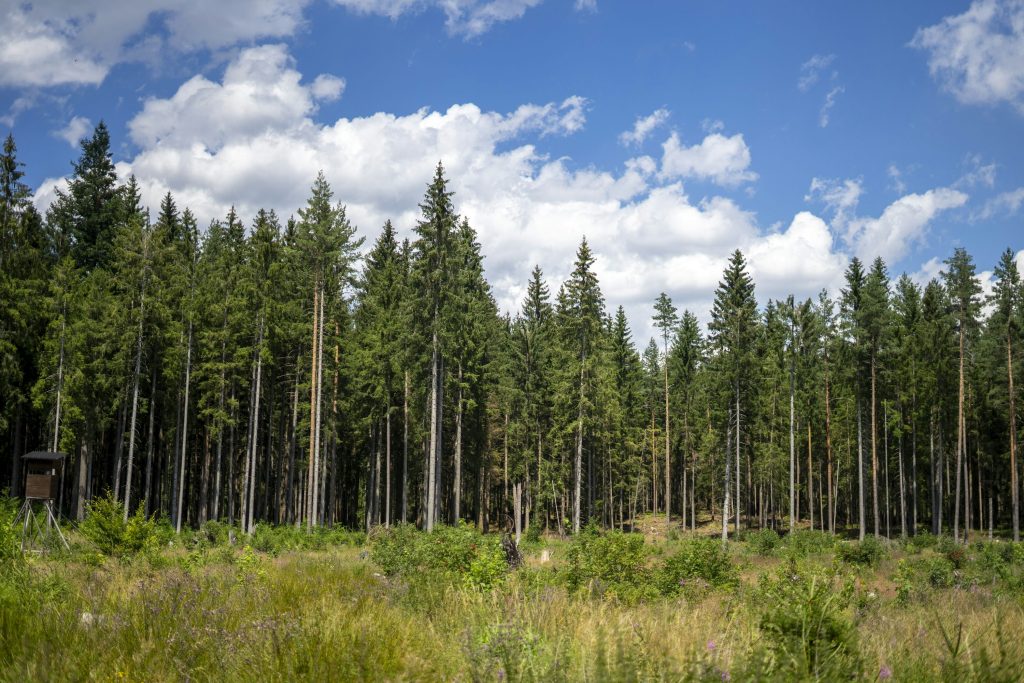
There are over 120 species of pine trees found around the world. Some of the most well-known and commonly grown types include:
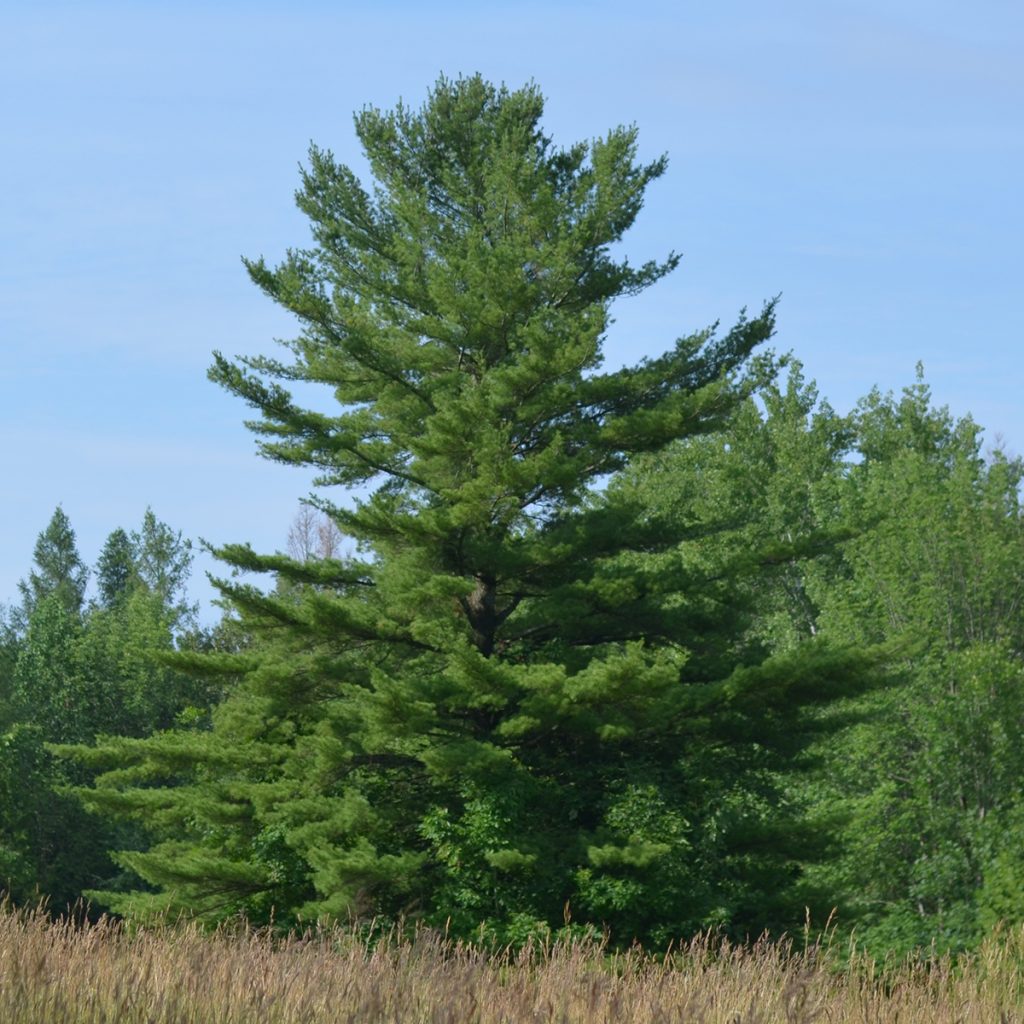
- Eastern White Pine (Pinus strobus)
A tall, fast-growing pine with soft, flexible needles in clusters of five. It is widely used for timber and ornamental planting. - Scots Pine (Pinus sylvestris)
Native to Europe and Asia, this pine has orange-brown bark and stiff needles. It is commonly used as a Christmas tree and for construction. - Ponderosa Pine (Pinus ponderosa)
A large pine native to North America, known for its thick bark and long needles. It is valued for its strong wood. - Loblolly Pine (Pinus taeda)
One of the most common pines in the southern United States. It grows quickly and is widely used in paper and timber industries. - Slash Pine (Pinus elliottii)
Known for its long needles and high resin content, often used for timber and resin products.
Uses of Pine Tree
Pine trees are highly versatile and serve a wide range of purposes in daily life, industry, and the environment:
- Timber and Wood Products – Pine wood is strong, durable, and easy to work with, making it ideal for construction, furniture, flooring, and paneling.
- Paper and Pulp Industry – Pine trees are a primary source of pulp used to make paper, cardboard, and other paper products.
- Resin and Turpentine – Pine resin is harvested to produce turpentine, rosin, and other chemical products used in paints, varnishes, adhesives, and medicinal ointments.
- Ornamental and Landscaping – Many pine species are planted in gardens, parks, and urban areas for their evergreen beauty and shade.
- Edible Pine Nuts – Certain species, such as the stone pine (Pinus pinea), produce edible seeds called pine nuts, used in cooking and baking.
Benefits of Pine Tree
Pine trees offer numerous health, environmental, and practical benefits:
- Air Purification – Pine trees release oxygen and help filter pollutants, improving air quality.
- Stress Relief and Mental Health – The scent of pine needles and essential oils has a calming effect, reducing stress and anxiety.
- Respiratory Health – Pine essential oils and extracts are used in traditional remedies to relieve coughs, congestion, and other respiratory issues.
- Anti-inflammatory Properties – Pine bark and resin contain compounds that may reduce inflammation and support healing.
- Soil Conservation – Pine roots stabilize soil, preventing erosion on hillsides and degraded lands.
About the Author