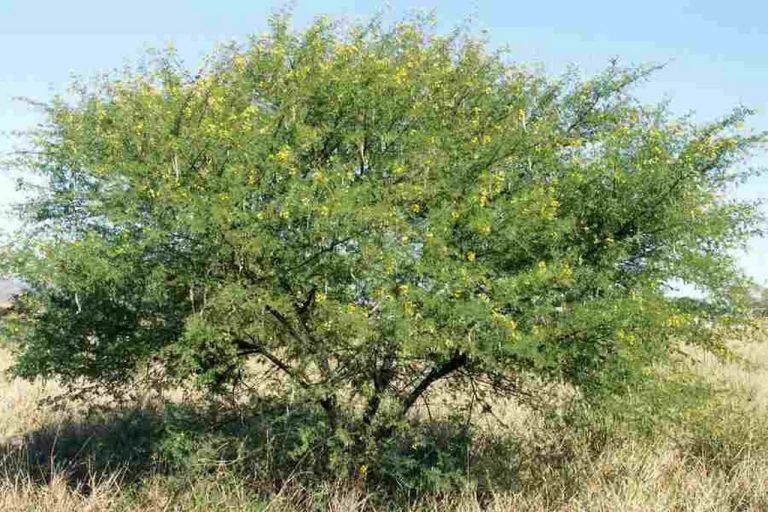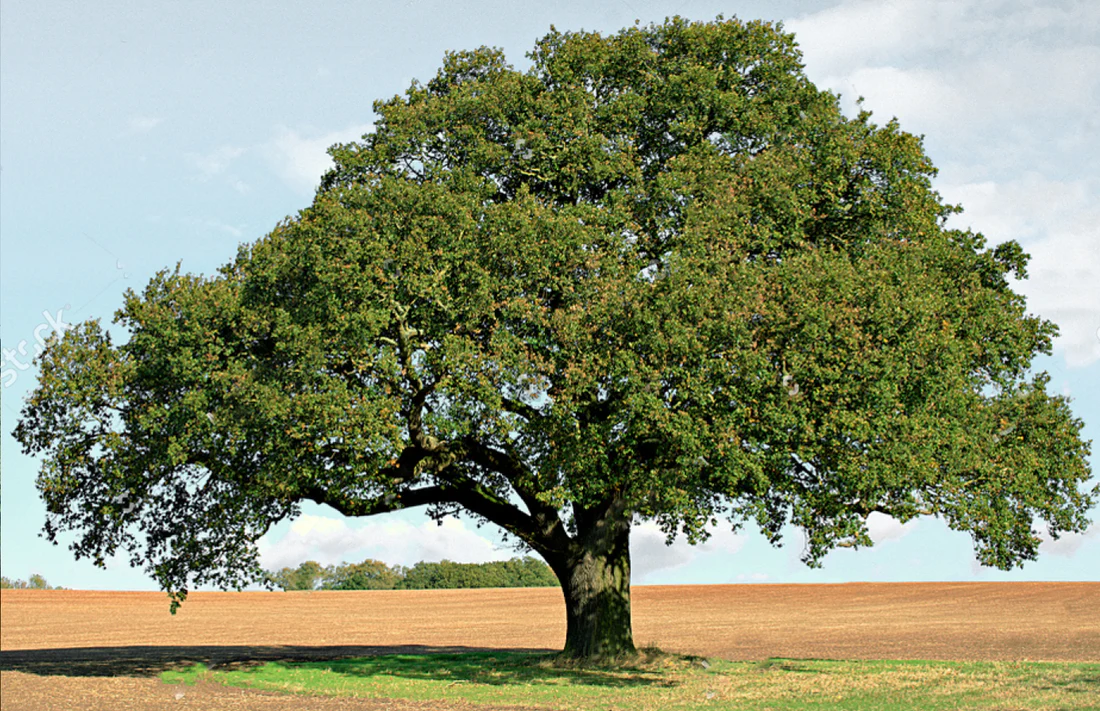
Walnuts Tree originated in Central Asia, with evidence of human consumption dating back 45,000 years. Cultivation began around 7,000 BCE in ancient Persia, where they were considered a “royal” food. They were spread by ancient Greeks and Romans, who used them for food and dye, and later around the world by English merchants, leading to the “English walnut” name.
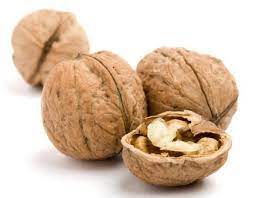
Walnuts Early history and spread
- Origin: Walnuts are native to Central Asia and have been eaten by humans since at least 45,000 years ago.
- Early cultivation: Intentional cultivation started around 7,000 BCE in ancient Persia (modern-day Iran).
- “Royal” food: In Persia, walnuts were highly prized and reserved for royalty, who sometimes used them to thicken soups and stews.
- Spread to Europe: They spread to regions like the Balkans, Caucasus, and eventually into Southern Europe.
- Ancient Greece and Rome: The Greeks are considered the first to farm walnuts systematically, and they were introduced to Greece from Persia by Alexander the Great. The Romans later farmed and traded them across the Mediterranean.
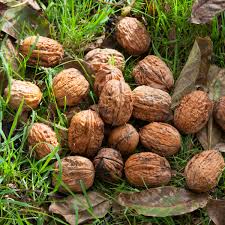
Walnuts Modern history
- “English walnut”: The name “English walnut” arose because English merchants spread them globally, while the term “walnut” itself comes from the Old English “walhnutu,” meaning “foreign nut”.
- California cultivation: The first commercial plantings in the US began in the 1860s in California, where the Central Valley became a prime growing region.
- Industry development: The Walnut Marketing Board was formed in California in the 1930s to oversee quality and marketing of the growing industry.
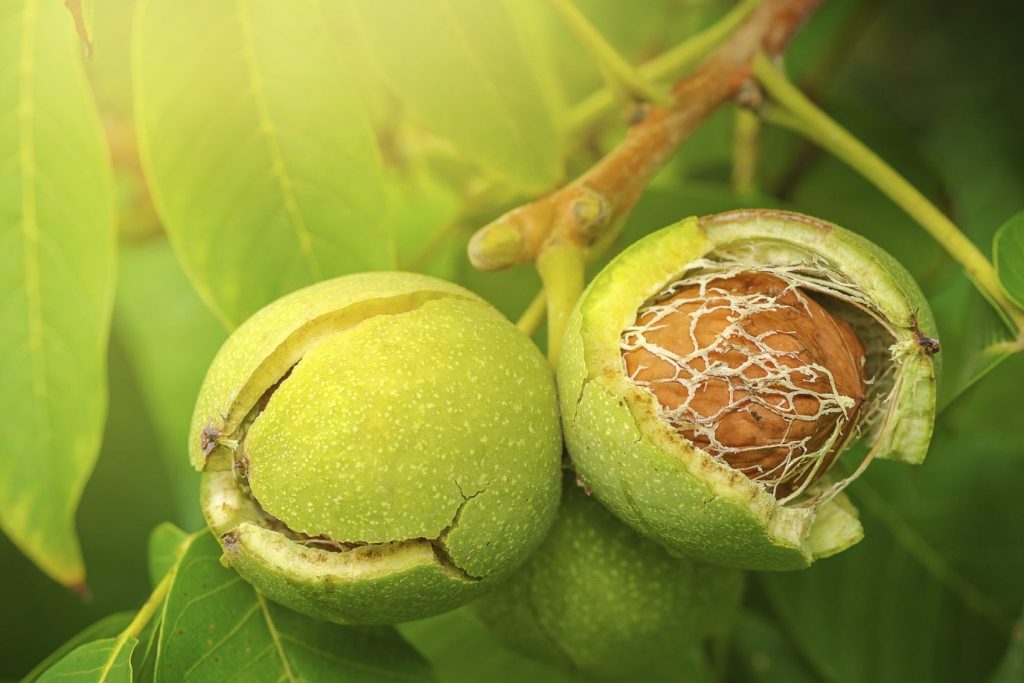
🌰 Benefits of Walnut Tree (Juglans regia)
1. Rich in Nutrients
Walnuts are packed with:
- Omega-3 fatty acids
- Antioxidants
- Protein
- Fiber
- Vitamins (E, B6)
- Minerals (magnesium, copper, manganese)
They support brain health, heart health, and overall immunity.
2. Supports Heart Health
Walnuts help:
- Lower bad cholesterol (LDL)
- Improve blood circulation
- Reduce inflammation
This reduces the risk of heart disease.
3. Good for Brain Health
Walnuts are often called “brain food” because they can:
- Improve memory
- Support brain function
- Reduce stress & inflammation
4. Improves Digestion
Walnut tree leaves and nuts contain natural compounds that:
- Aid digestion
- Reduce bloating
- Support gut health
Walnut leaf tea is sometimes used traditionally for stomach issues.
5. Strong Antioxidant Properties
Walnuts have powerful antioxidants that:
- Fight free radicals
- Slow aging
- Protect cells
6. Benefits for Skin & Hair
Walnut oil and leaf extracts can:
- Improve skin texture
- Reduce acne
- Strengthen hair
- Add shine and promote growth
7. Medicinal Uses of Walnut Leaves
Walnut leaves have antibacterial and anti-inflammatory benefits. They are used for:
- Skin infections
- Eczema
- Excessive sweating
- Minor wounds
8. High-Quality Timber
Walnut wood is very valuable and used for:
- Furniture
- Carving
- Gunstocks
- Interior decoration
It’s durable, strong, and beautiful.
9. Environmental Benefits
Walnut trees:
- Provide shade
- Improve air quality
- Support wildlife
- Help prevent soil erosion
10. Economic Value
Walnut trees offer:
- Profitable nuts
- Valuable wood
- High demand in local & international markets
Here are the main types of walnut commonly known around the world, along with their key features:
🌰 1. English Walnut (Persian Walnut)
Scientific name: Juglans regia
Most common and widely cultivated walnut.
Features:
- Thin, easy-to-crack shell
- Mild, buttery flavor
- Grown in USA, China, Europe, Pakistan, Iran
- Used for eating, baking, and oil production
2. Black Walnut
Scientific name: Juglans nigra
Native to North America.
Features:
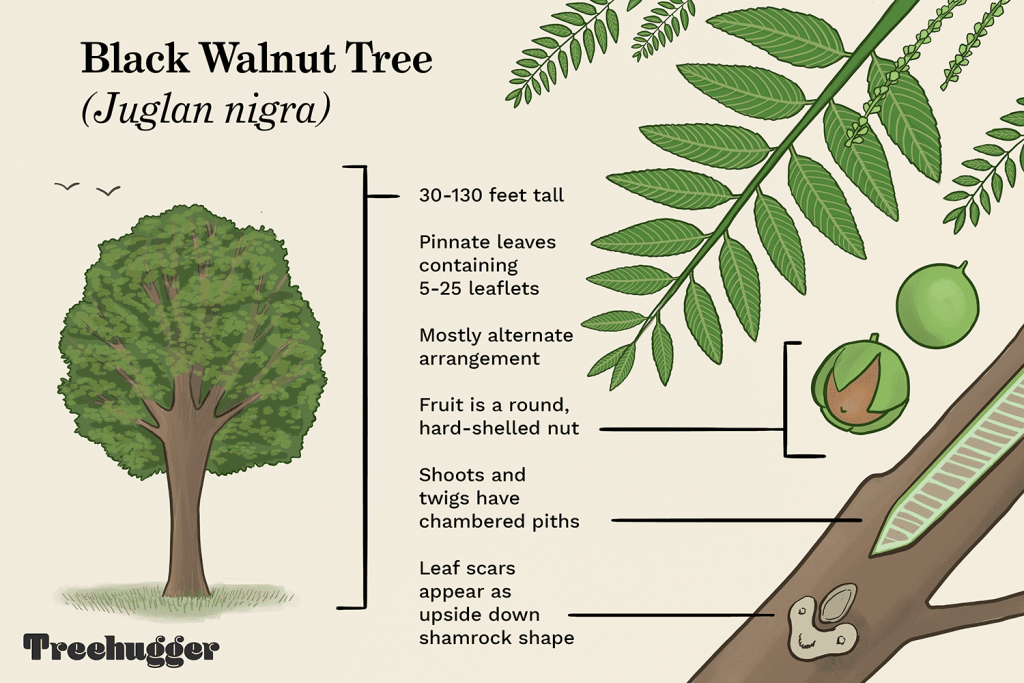
- Hard, thick shell
- Strong, bold, earthy flavor
- Used in specialty foods and premium wood products
- Less commonly grown commercially
🌰 3. White Walnut (Butternut)
Scientific name: Juglans cinerea
Native to Eastern North America.
Features:
- Soft shell
- Sweet, oily nuts
- Tree is declining due to canker disease
- Used for local consumption and woodcraft
🌰 4. California Walnut
A commercial variety of English Walnut developed in California.
Features:
- Large kernel
- Mild flavor
- Includes Chandler, Hartley, and Serr varieties
🌰 5. Himalayan Walnut
Common in Pakistan, India, Nepal.
Features:
- Comes from Juglans regia trees grown in high altitudes
- Rich flavor
- Often sun-dried and sold in shells
🌰 6. Japanese Walnut
Scientific name: Juglans ailantifolia
Features:
- Thick shell
- Sweet but small kernels
- Includes the famous Heartnut (heart-shaped shell)
About the Author