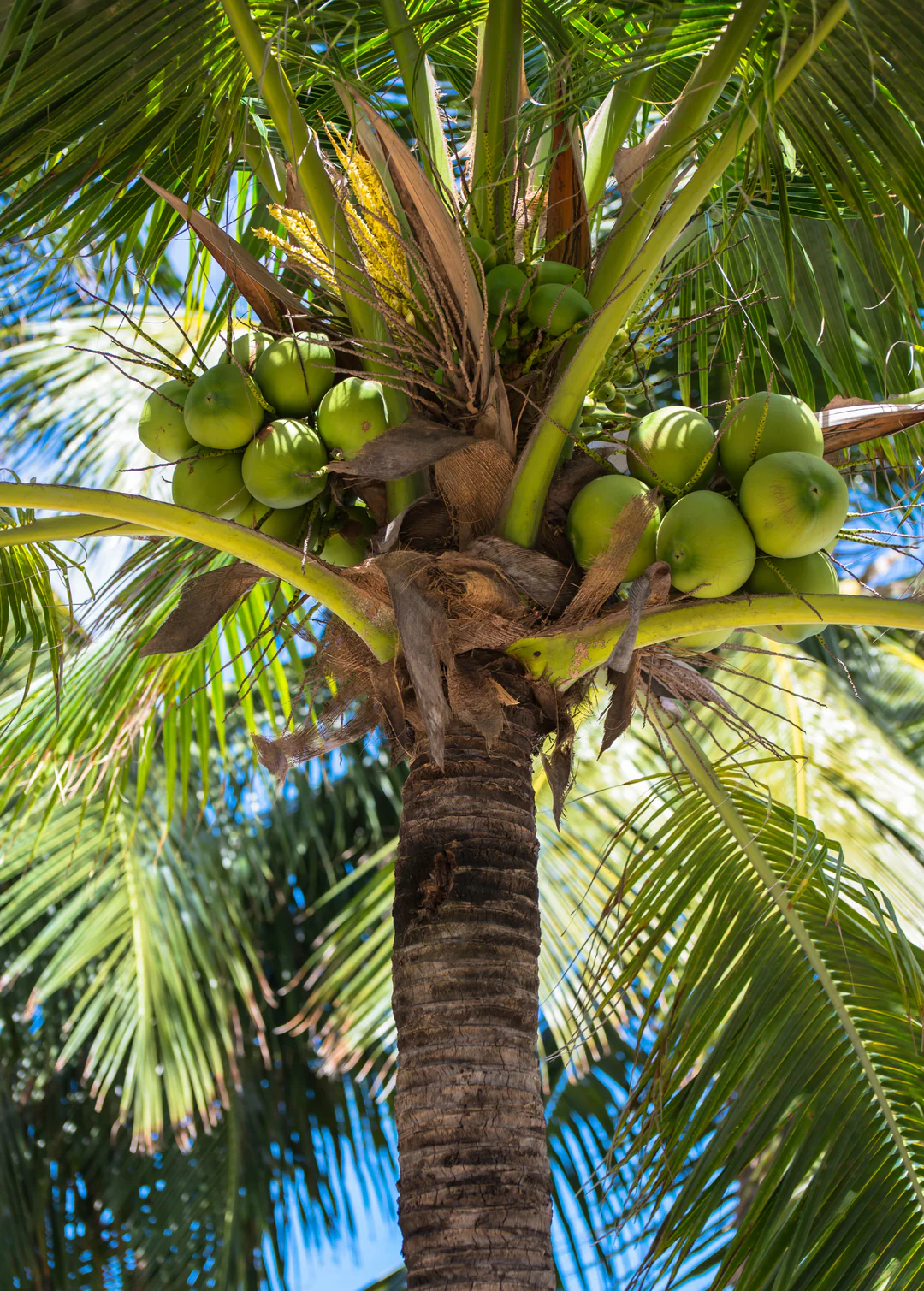
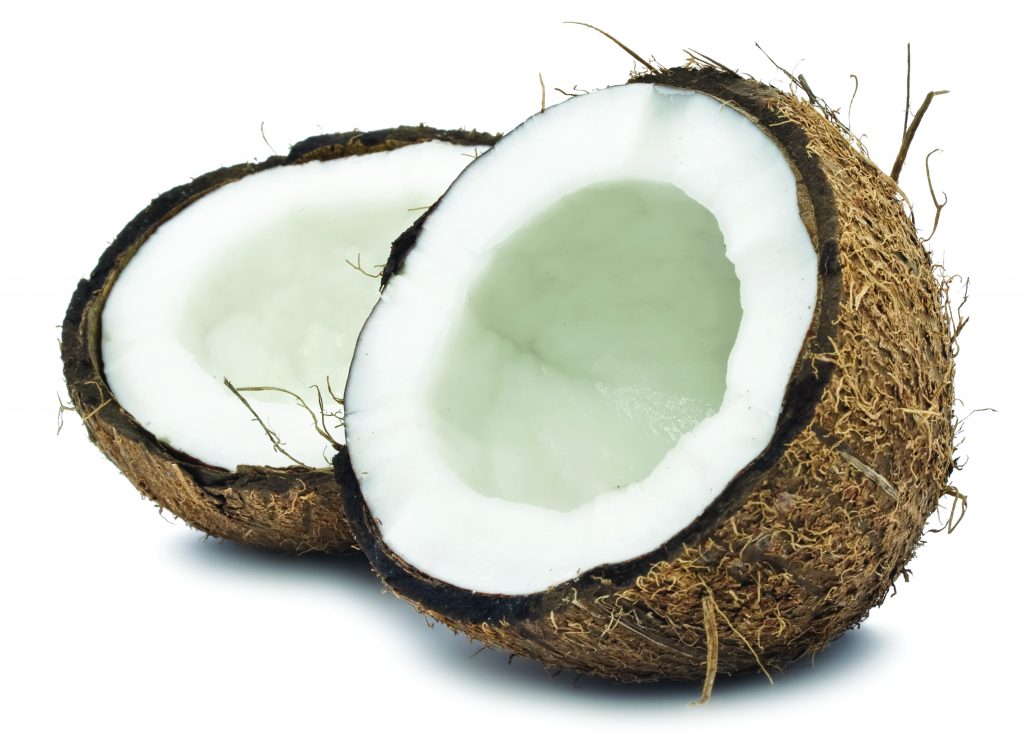
The coconut tree (Cocos nucifera) is a tropical fruit known for its versatility and nutritional value. It grows on the coconut palm, a tall, slender tree commonly found along coastal areas in tropical regions. The fruit has a hard, woody outer shell called the husk, which encases a fibrous layer and a smooth inner shell. Inside, there is coconut water, a clear, refreshing liquid, and coconut meat, the white edible flesh rich in nutrients and healthy fats.
Coconuts are highly valued for their multiple uses: the water is a hydrating drink, the oil extracted from the meat is used in cooking and cosmetics, the husk fibers are used for ropes and mats, and the shells can be crafted into utensils or decorative items. Coconut palms also have ecological importance, providing shade, stabilizing coastal soil, and supporting wildlife.
Coconuts symbolize tropical life, resilience, and versatility, and they have been cultivated and used by humans for thousands of years for food, drink, and materials.
History of Coconut Tree:
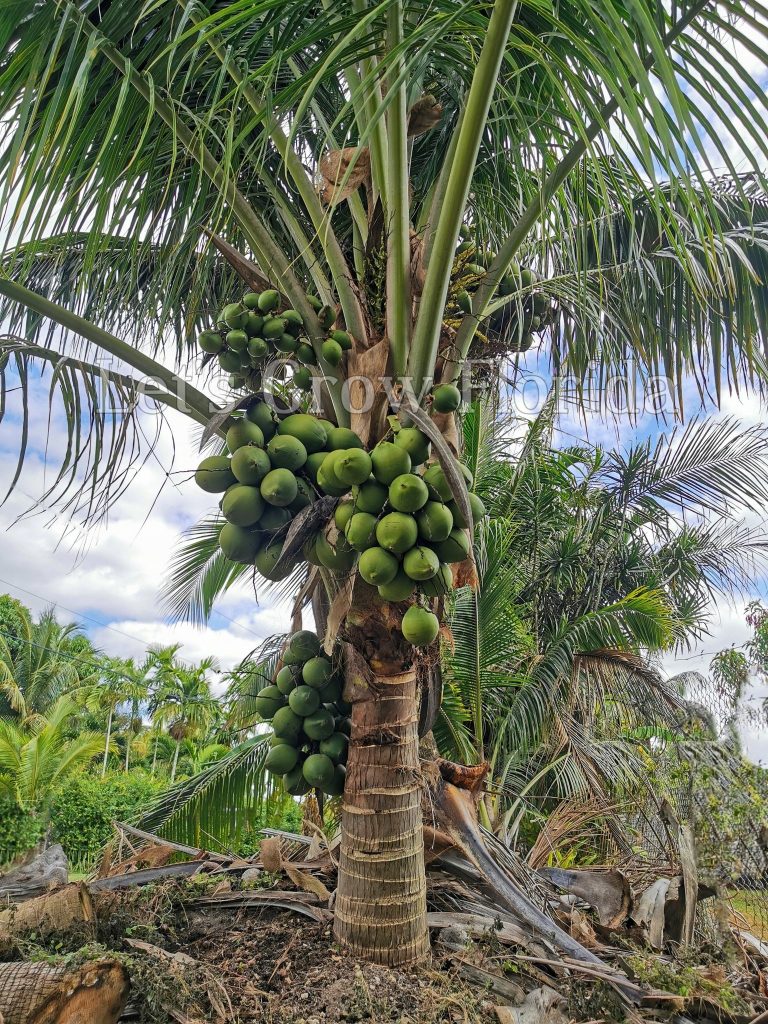
The coconut tree (Cocos nucifera) has a long and fascinating history, deeply intertwined with human civilization in tropical regions. Its exact origin is still debated by botanists, but it is widely believed to have originated in Southeast Asia, particularly the regions of the Philippines, Malaysia, and Indonesia, and possibly also parts of the Pacific Islands. From there, it spread across tropical Asia, Africa, and eventually the Americas through natural oceanic dispersal and human migration.
Historically, coconuts have been valued not only as a food source but also for their versatility. Ancient societies used the fruit for water and milk, the meat for food and oil, and the husk fibers for ropes, mats, and brushes. Coconut palms were so important in some cultures that they were considered sacred and featured in religious ceremonies.
By the 8th century, Arab traders were transporting coconuts across the Indian Ocean to Africa and the Middle East, while European explorers introduced coconuts to the Caribbean and the Americas during the Age of Exploration. Over time, the coconut tree became an essential economic and cultural resource in tropical countries, often referred to as the “Tree of Life” because almost every part of it can be used in some way.
Coconuts continue to play a crucial role today, both economically and culturally, providing food, drink, oil, and materials for millions of people worldwide.
Types of Coconut Tree:
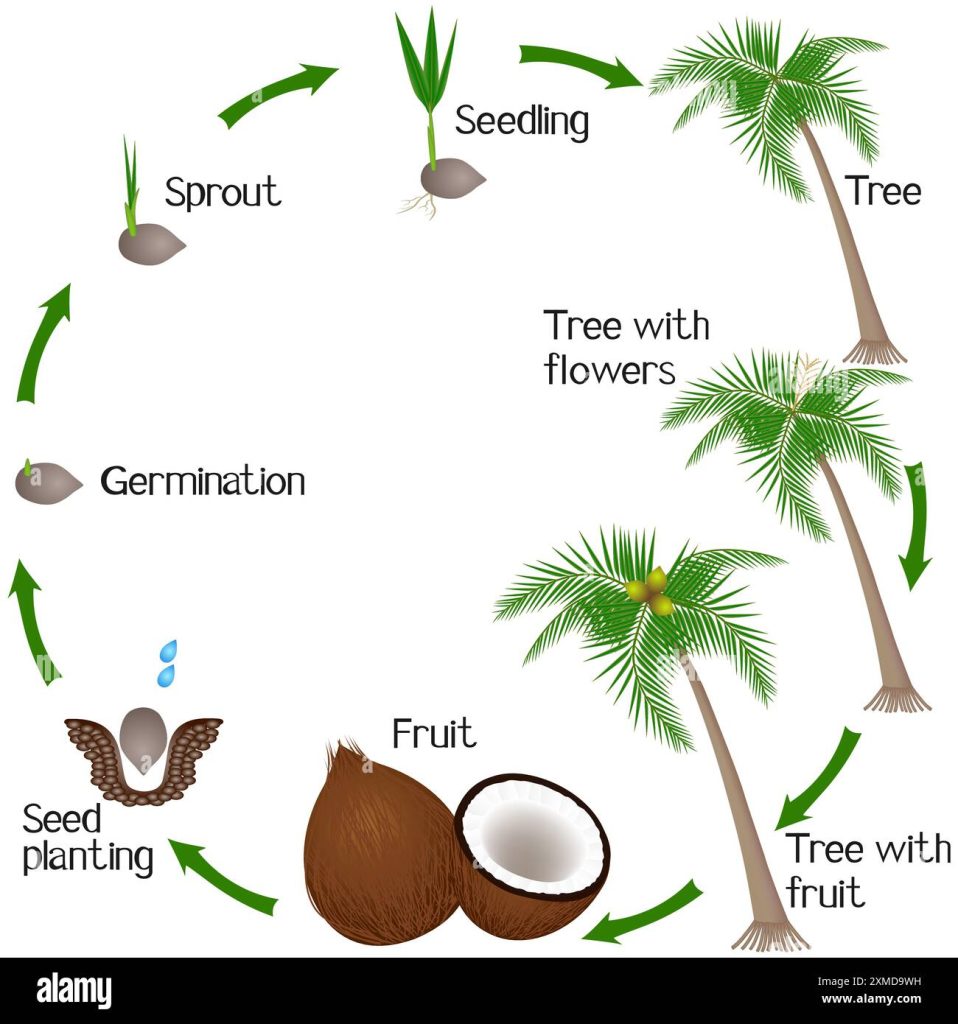
Coconuts are generally classified based on their use, size, and growth characteristics. Broadly, there are two main types:
1. Tall Coconut Varieties
- Characteristics: Grows very tall (up to 30 meters). Long lifespan, takes 6–10 years to bear fruit.
- Uses: Mainly for copra (dried coconut meat) and oil production. Also used for water and fresh consumption.
- Examples:
- West Coast Tall (WCT) – Common in India, resistant to pests.
- East Coast Tall (ECT) – Found in eastern India and Sri Lanka.
- Malayan Tall – Popular in Malaysia and Indonesia.
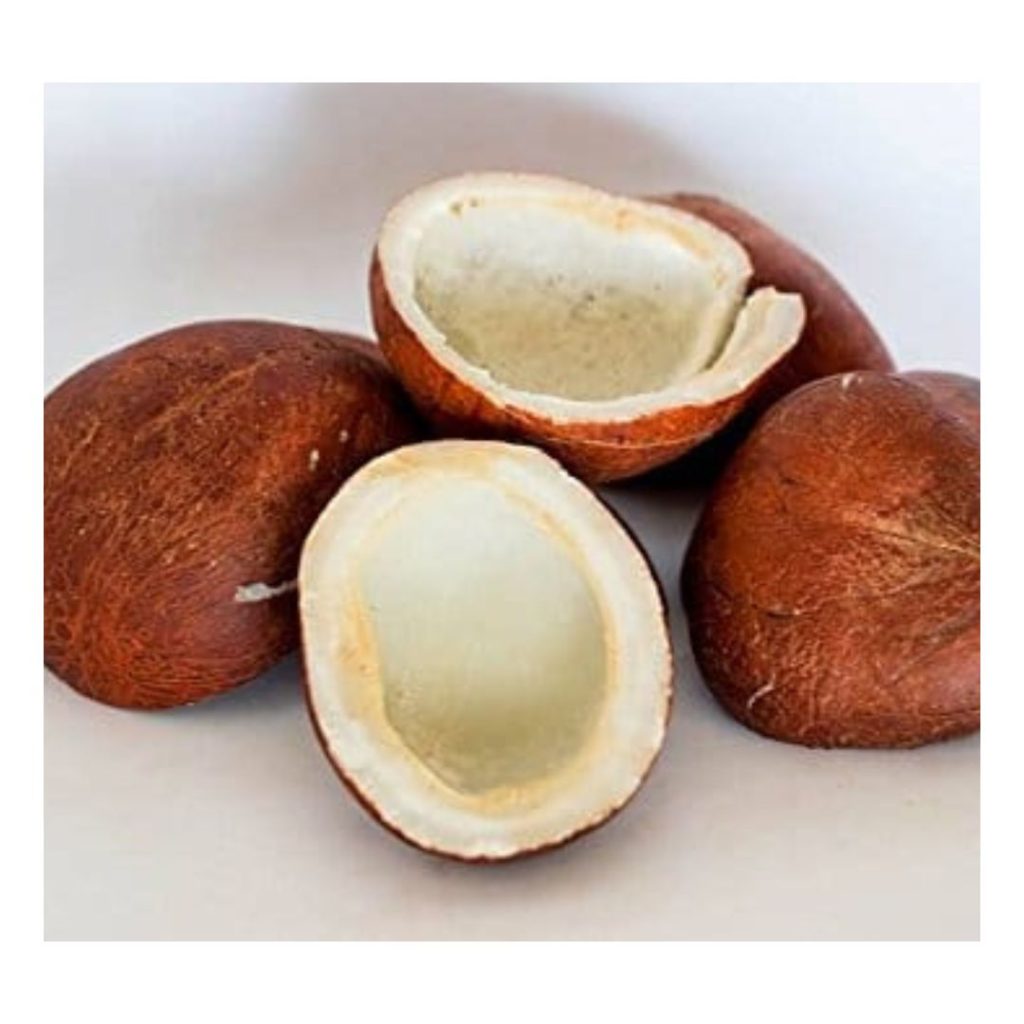
2. Dwarf Coconut Varieties
- Characteristics: Shorter in height (usually 3–5 meters), early bearing (3–5 years), often self-pollinating.
- Uses: Primarily for tender coconut water and ornamental planting.
- Examples:
- Malayan Dwarf – Comes in green, yellow, and red types.
- Chowghat Dwarf – Found in Kerala, India.
- Cameroon Dwarf – Common in Africa.
Other Classifications:
- Hybrid Varieties: Cross between tall and dwarf types, combining early fruiting with high yield. Example: Tall × Dwarf hybrids.
- Based on Use:
- King Coconut – Mainly for drinking water, popular in Sri Lanka.
- Coconut for Copra – High oil content, used for cooking and industry.
Coconuts are highly adaptable, and modern agriculture often focuses on high-yielding hybrids for both water and copra production.
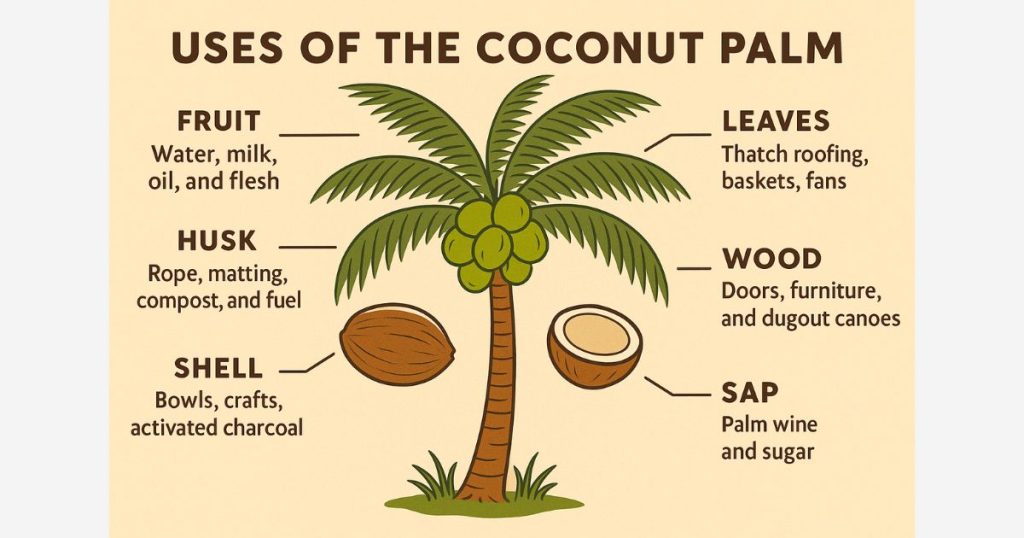
Uses of Coconut Tree:
1. Culinary Uses
- Coconut Water: Refreshing and hydrating drink, rich in electrolytes.
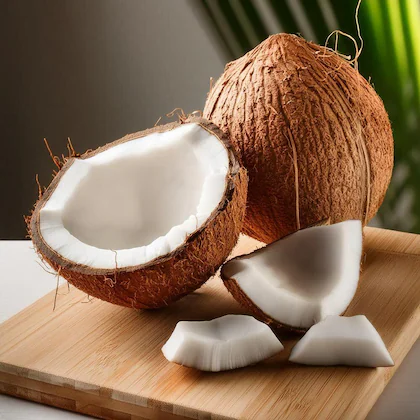
- Coconut Meat: Eaten raw, cooked, or dried (copra); used in curries, desserts, and snacks.
- Coconut Milk & Cream: Extracted from grated coconut; widely used in Asian and tropical cuisines.
- Coconut Oil: Cooking oil, frying, baking, and flavoring dishes.
2. Health & Nutritional Uses
- Coconut Oil: Supports heart health, skin, and hair; used in traditional medicine.
- Coconut Water: Low-calorie drink, helps in digestion and hydration.
- Coconut Meat: Source of healthy fats, fiber, and essential minerals.
3. Industrial Uses
- Coir (Husk Fiber): Used for ropes, mats, brushes, mattresses, and erosion control.
- Shells: Used for handicrafts, bowls, activated charcoal, and fuel.
- Coconut Oil: Used in cosmetics, soaps, and skincare products.
4. Agricultural Uses
- Coconut Cake: By-product after oil extraction, used as animal feed.
- Mulch & Compost: Husks and shells improve soil fertility.
5. Cultural & Religious Uses
- Religious Ceremonies: Coconuts are offered in rituals in Hinduism, Buddhism, and other traditions.
- Symbolism: Represents prosperity, purity, and fertility in many cultures.
6. Environmental Uses
- Coastal Protection: Coconut palms prevent soil erosion along shorelines.
- Shade & Shelter: Provide shade in tropical regions and are part of agroforestry systems.
The coconut is often called the “Tree of Life” because almost every part of it—water, meat, oil, husk, shell, and leaves—has a practical use.
About the Author