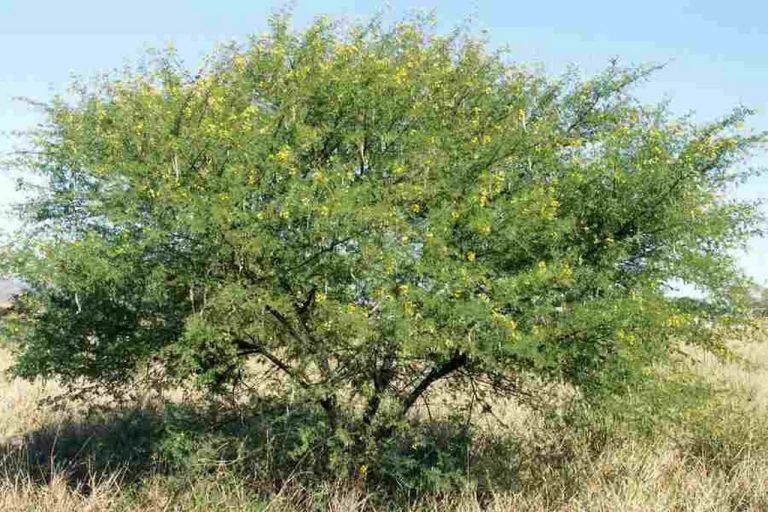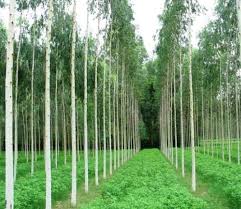
Description of Safeda Tree (Eucalyptus):
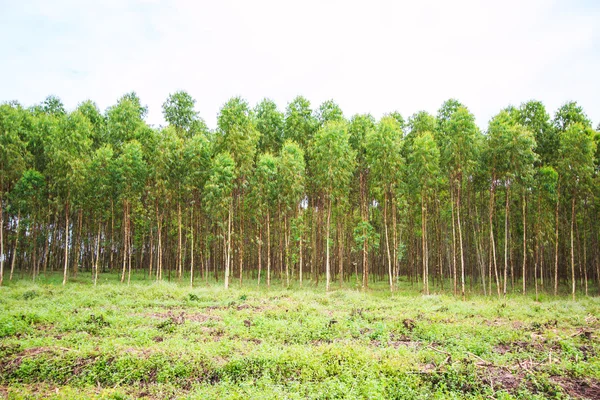
The Safeda tree, commonly known as Eucalyptus, is a tall, evergreen tree recognized for its straight trunk, smooth peeling bark, and refreshing aromatic scent. It typically grows rapidly, reaching impressive heights within a few years. The leaves are long, narrow, and leathery, releasing a strong fragrance when crushed due to the natural oils they contain. Safeda trees have a deep root system, making them highly drought-resistant and adaptable to various soil types. Their greyish-white bark peels off in patches, giving the tree a clean and distinctive appearance. Because of their fast growth, medicinal properties, and timber value, Safeda trees are widely planted for shade, reforestation, and commercial use.
History of Safeda Tree (Eucalyptus):
The Safeda tree, scientifically known as Eucalyptus, originated in Australia and Tasmania, where more than 700 species naturally grow. For thousands of years, Aboriginal Australians used its leaves, bark, and oil for healing wounds, treating infections, and making tools.
Today, Safeda is known globally for its medicinal oil, strong wood, and environmental benefits such as reducing soil erosion and providing windbreaks. Its rapid growth and adaptability have made it an important tree in forestry, agriculture, and traditional medicine.
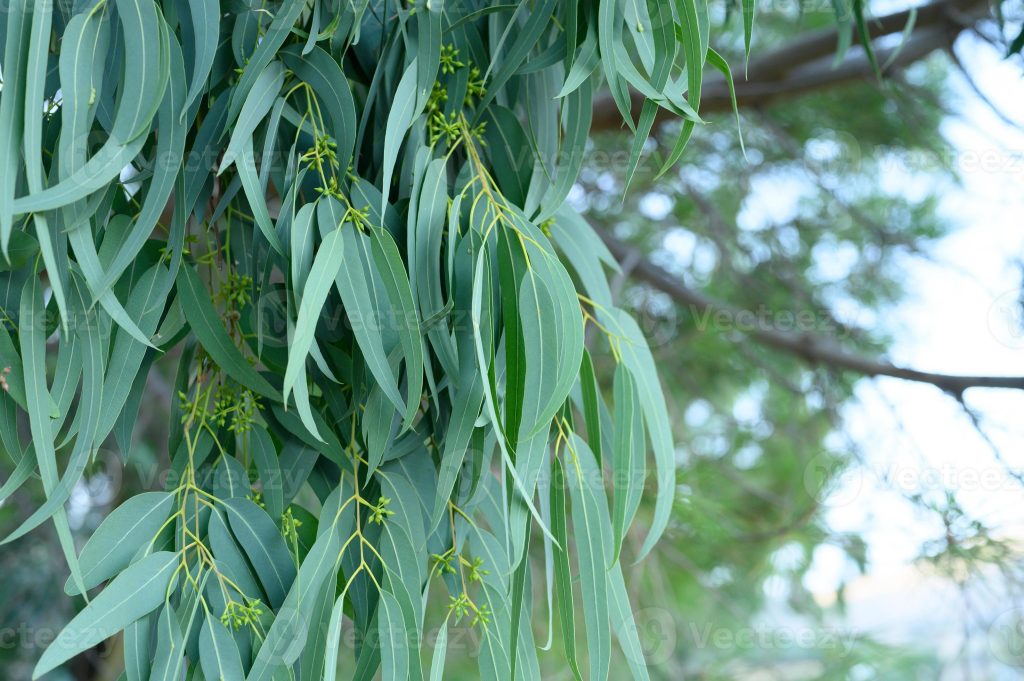
Types of Safeda (Eucalyptus) Trees:
The Safeda tree belongs to the Eucalyptus genus, which has over 700 species, but only a few are commonly cultivated for timber, oil, or ornamental purposes. Some of the popular types include:
- Eucalyptus globulus (Blue Gum):
- Tall and fast-growing.
- Leaves are aromatic and used for essential oils.
- Commonly planted for timber and reforestation.
- Eucalyptus camaldulensis (River Red Gum):
- Medium to large-sized tree.
- Known for its resilience and ability to grow near water bodies.
- Provides durable wood and shade.
- Eucalyptus citriodora (Lemon-Scented Gum):
- Emits a lemony fragrance from its leaves.
- Used for essential oils and medicinal purposes.
- Attractive for ornamental planting.
- Eucalyptus tereticornis (Forest Red Gum):
- Strong, straight-trunked tree.
- Used in construction and timber industries.
- Eucalyptus deglupta (Rainbow Eucalyptus):
- Unique multi-colored bark.
- Mostly ornamental due to its striking appearance.
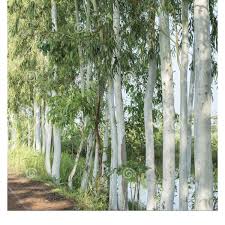
Uses of Safeda Tree (Eucalyptus):
- Timber and Wood Products:
- The wood of Safeda is strong, durable, and fast-growing.
- Used in construction, furniture, railway sleepers, and plywood.
- Essential Oil Production:
- Leaves contain eucalyptus oil, which is extracted and widely used in medicines, ointments, and aromatherapy.
- The oil has antiseptic, antibacterial, and anti-inflammatory properties.
- Medicinal Uses:
- Safeda leaves and oil are used in cough syrups, inhalants, balms, and herbal remedies.
- Helps relieve cold, flu, respiratory infections, and sore muscles.
- Environmental Benefits:
- Planted for afforestation, soil conservation, and windbreaks.
- Helps prevent soil erosion and improves the green cover in dry areas.
- Fuel and Firewood:
- The wood is used as firewood and charcoal due to its high calorific value.
Benefits of Safeda Tree (Eucalyptus):
- Medicinal Benefits:
- Leaves and oil help treat cough, cold, flu, and respiratory issues.
- Has antiseptic and anti-inflammatory properties, useful in balms and ointments.
- Environmental Benefits:
- Helps prevent soil erosion with its deep roots.
- Improves air quality and adds greenery to urban and rural areas.
- Provides shade and reduces heat in hot climates.
- Economic Benefits:
- Fast-growing timber is used in furniture, construction, and paper industries.
- Eucalyptus oil is commercially valuable for medicine, cosmetics, and aromatherapy.
- Agricultural Benefits:
- Acts as a windbreak for crops and fields.
- Flowers provide nectar for bees, supporting honey production.
- Aesthetic and Ornamental Benefits:
- Some species, like Rainbow Eucalyptus, add beauty and color to gardens and landscapes.
About the Author