Description of Neem Tree:
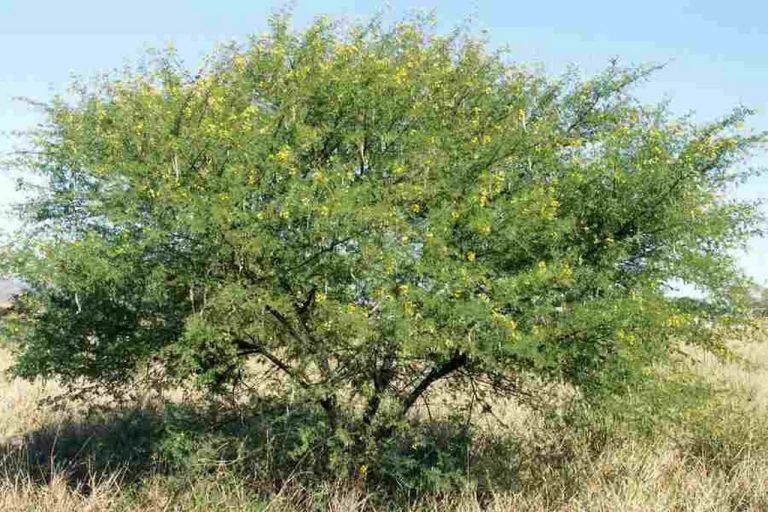
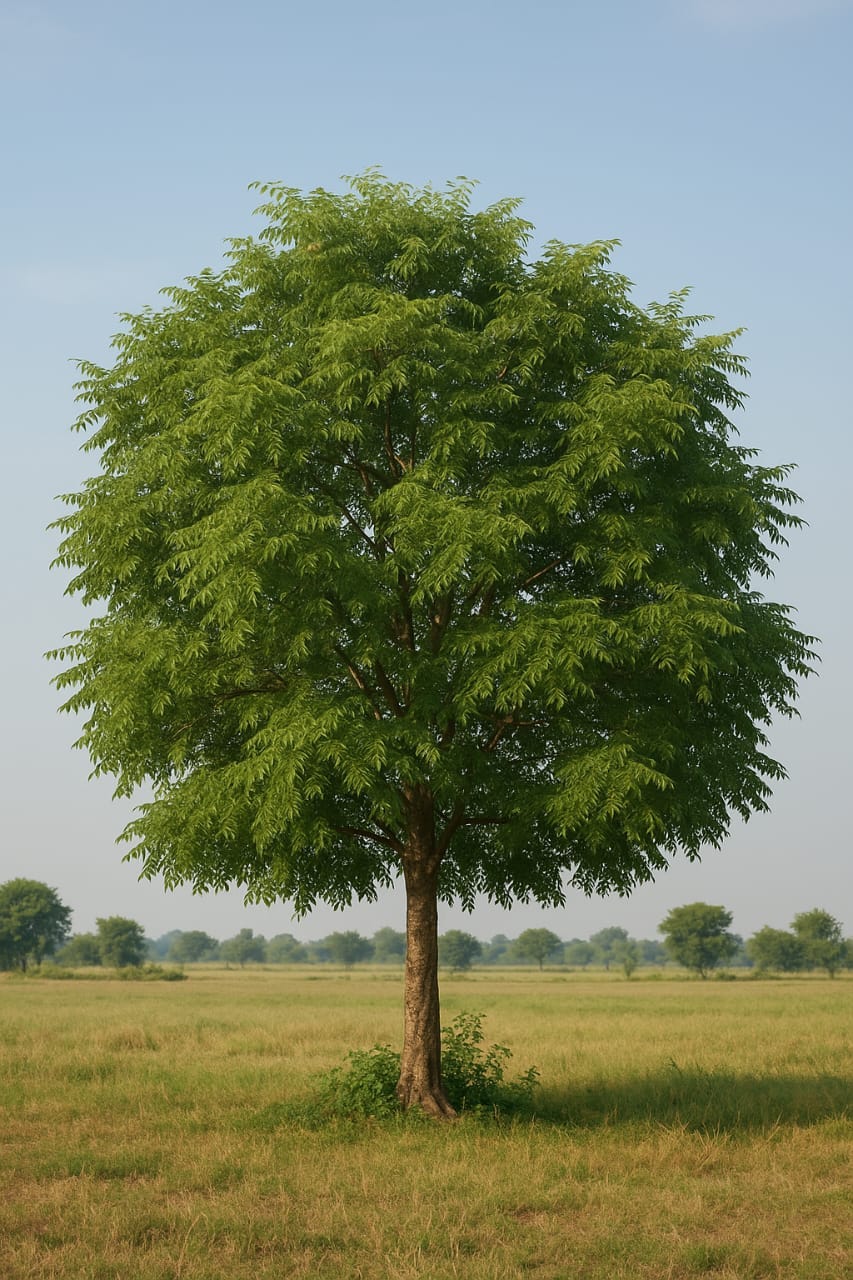
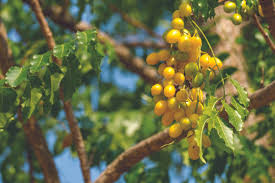
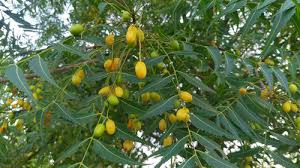
The neem tree (Azadirachta indica) is a fast-growing, evergreen tree known for its strong medicinal properties and ability to thrive in hot, dry climates. It has dark green, serrated leaves and small, fragrant white flowers that grow in clusters. The tree produces olive-like fruits that turn yellow when ripe. Neem is widely valued for its antibacterial, antifungal, and anti-inflammatory qualities, making its leaves, bark, seeds, and oil useful in traditional medicine, skincare, agriculture, and natural pest control. Because of its hardiness and long lifespan, neem is often called “the village pharmacy” and is commonly planted for shade, health, and environmental benefits.
History of Neem Tree:
The neem tree (Azadirachta indica) has a long and rich history that dates back more than 4,500 years. Originating in the Indian subcontinent, it has been deeply connected with traditional medicine, culture, and daily life. Ancient texts of Ayurveda, such as the Charaka Samhita and Sushruta Samhita, describe neem as a powerful healing plant used for skin diseases, infections, fevers, and purification rituals.
Neem was also widely used in ancient civilizations across South Asia for agriculture and personal hygiene. People used neem twigs as natural toothbrushes, neem leaves for protecting grains, and neem oil for pest control even thousands of years ago. Over time, the tree spread across tropical regions of Asia and Africa due to its resilience and medicinal value.
In the 20th century, scientific research confirmed neem’s antimicrobial, antiviral, and insecticidal properties, leading to its global recognition in herbal medicine, organic farming, and natural skincare. Today, neem is known worldwide as “the miracle tree” for its historical importance and countless uses.
Types of Neem Tree:
- Indian Neem (Azadirachta indica)
- The most common and widely known species.
- Native to India, Pakistan, Bangladesh, and Sri Lanka.
- Popular for medicinal uses, neem oil production, and shade.
- White Neem / Persian Lilac (Melia azedarach)
- Often mistaken for neem but is a different species.
- Has similar leaf shape but larger, round fruits and more fragrant flowers.
- Used for timber and ornamental planting rather than medicine.
- Marrango Neem / Chinaberry Tree (Melia composita)
- Related to Persian lilac, sometimes called “false neem.”
- Mostly valued for wood and ornamental purposes.
- Thai Neem / Siamese Neem (Azadirachta siamensis)
- Found primarily in Thailand, Cambodia, and Vietnam.
- Leaves and flowers are edible and used in Southeast Asian cuisine.
- Known for its strong bitter taste and medicinal properties.
Uses of Neem Tree:
- Medicinal Uses
- Neem leaves are used to treat skin conditions like acne, eczema, and infections.
- Neem oil is applied for wounds, fungal infections, and hair problems.
- Neem bark and roots are used in traditional herbal medicines for fever, stomach issues, and purification.
- Skincare and Haircare
- Neem oil is used in soaps, creams, shampoos, and lotions.
- Helps reduce dandruff, scalp infections, and promotes healthy hair.
- Natural Pest Control
- Neem oil acts as an organic pesticide to protect crops from insects.
- Neem cake (byproduct) is used as a natural fertilizer and soil conditioner.
- Oral Care
- Neem twigs (datun) are used as natural toothbrushes to maintain oral hygiene.
- Helps fight bacteria, gum diseases, and bad breath.
- Agriculture and Farming
- Neem leaves and seeds are used to make eco-friendly insect repellents.
- Protects stored grains from pests.
- Environmental Uses
- Neem trees provide excellent shade and help reduce heat in hot climates.
- They improve air quality and prevent soil erosion.
- Household Uses
- Neem leaves are used to repel mosquitoes and insects.
- Neem-based cleaners provide natural disinfection.
- Religious and Cultural Uses
- Neem leaves are used in purification rituals in South Asian traditions.
- Considered sacred and symbol of protection.
Benefits of Neem Tree:
- Powerful Antibacterial Properties
- Helps fight harmful bacteria, making neem useful for treating infections, wounds, and skin problems.
- Rich in Antioxidants
- Protects the body from free radicals and supports overall immunity.
- Improves Skin Health
- Reduces acne, pimples, eczema, and skin irritation.
- Neem oil soothes inflammation and promotes clear, healthy skin.
- Supports Hair and Scalp Health
- Controls dandruff, reduces scalp infections, and strengthens hair roots.
- Boosts Oral Hygiene
- Chewing neem twigs helps prevent cavities, gum diseases, and bad breath due to its antimicrobial nature.
- Natural Insect Repellent
- Neem oil and leaves repel mosquitoes and harmful insects without chemicals.
- Useful in Diabetes Management
- Neem helps lower blood sugar levels and supports glucose control (as used in traditional medicine).
- Improves Liver and Digestive Health
- Neem strengthens liver function and helps detoxify the body.
- Supports digestion and reduces stomach infections.
- Promotes Healthy Environment
- Neem trees purify the air, provide shade, and help reduce heat.
- Roots prevent soil erosion and improve soil fertility.
- Eco-Friendly Agricultural Benefits
- Neem oil is a natural pesticide, safe for crops and the environment.
- Neem cake enriches the soil and improves crop yield.
- Boosts Immune System
- Regular use of neem (in safe quantities) strengthens natural immunity.
About the Author